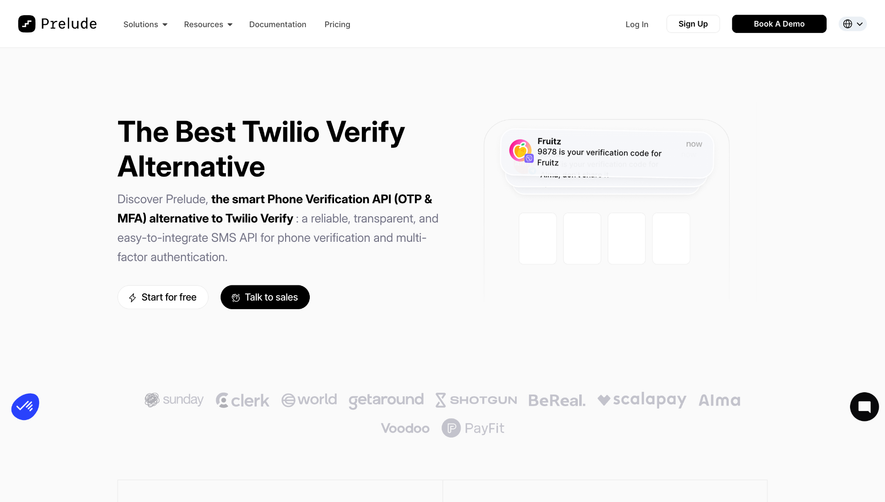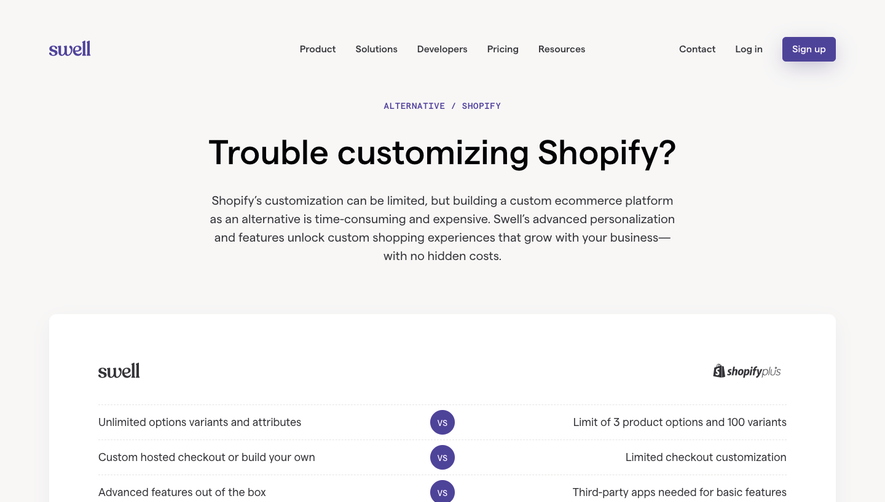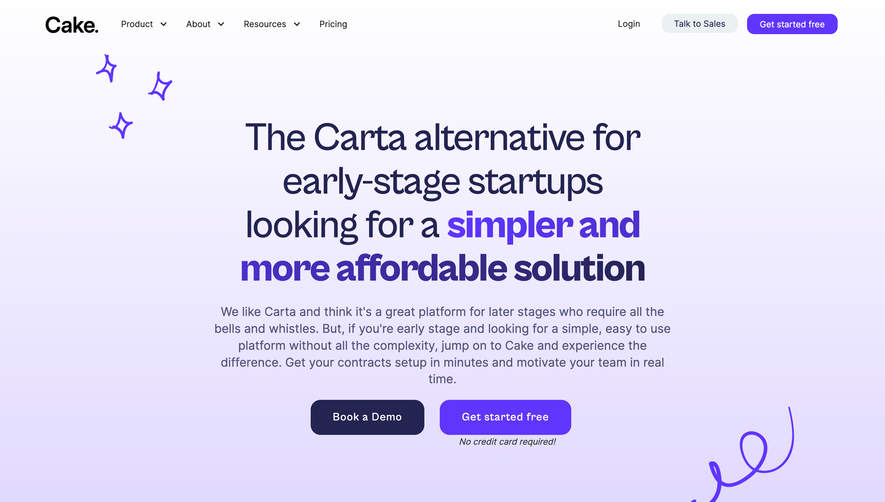
1. Headline: The page starts with a headline that clearly states the purpose of the page. It's written in a large font with a colorful background to grab the user's attention. 2. Introduction: A brief introduction follows the headline. It explains the purpose of the page in a little more detail and gives a sneak peek of what's to come. 3. Comparison table: The majority of the page is taken up by a comparison table. It has a clear heading that lets the user know exactly what they're looking at. The table compares the features of Avocode and its competitors in a side-by-side layout. The table contains information on prices, platform compatibility, integrations, features, and more. 4. Call-to-Action: After the comparison table, there's a clear call-to-action button that directs the user to sign up for a free trial of Avocode. The button is prominently displayed in a bright green color, and the text on the button is written in a way that encourages the user to take action. 5. Features section: Below the call-to-action button, there's a section that highlights some of the key features of Avocode. It's written in a bulleted list format, and each feature is accompanied by an eye-catching icon. 6. Testimonials: The page ends with a section that contains testimonials from satisfied Avocode users. The testimonials are written in block quotes and are accompanied by a photo of the user who provided the testimonial. This section gives the user a sense of credibility and helps to build trust in the product.


Avocode Compared to Zeplin

Avocode
Centralize design collaboration
Designed by
No items found.
Category
Patterns
No items found.
Tech Stack
Added on
May 1, 2020