 SaaSFrame
🏢 Enterprise Page
Close larger deals with sophisticated SaaS Enterprise and Solutions pages. Focus on security standards (SOC2, GDPR), custom SLA mentions, and dedicated support features that appeal to C-level executives and procurement teams.
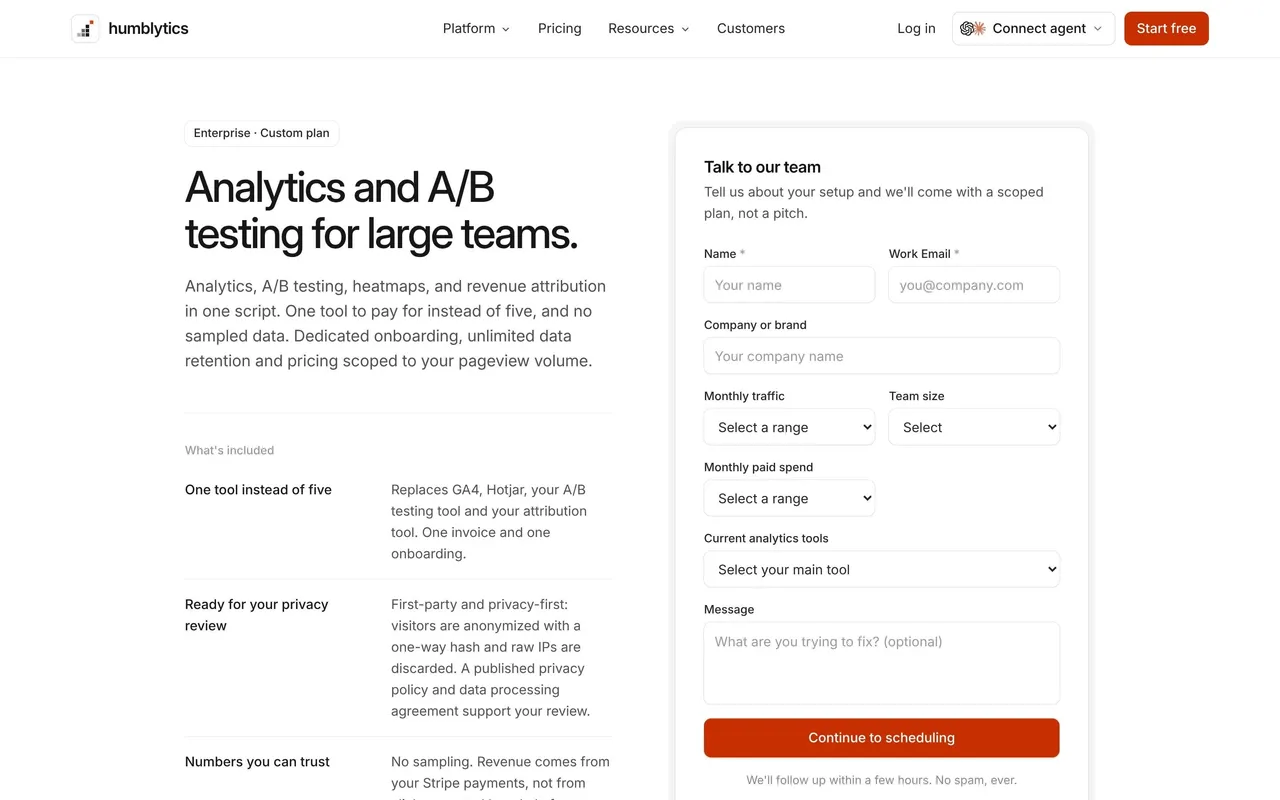

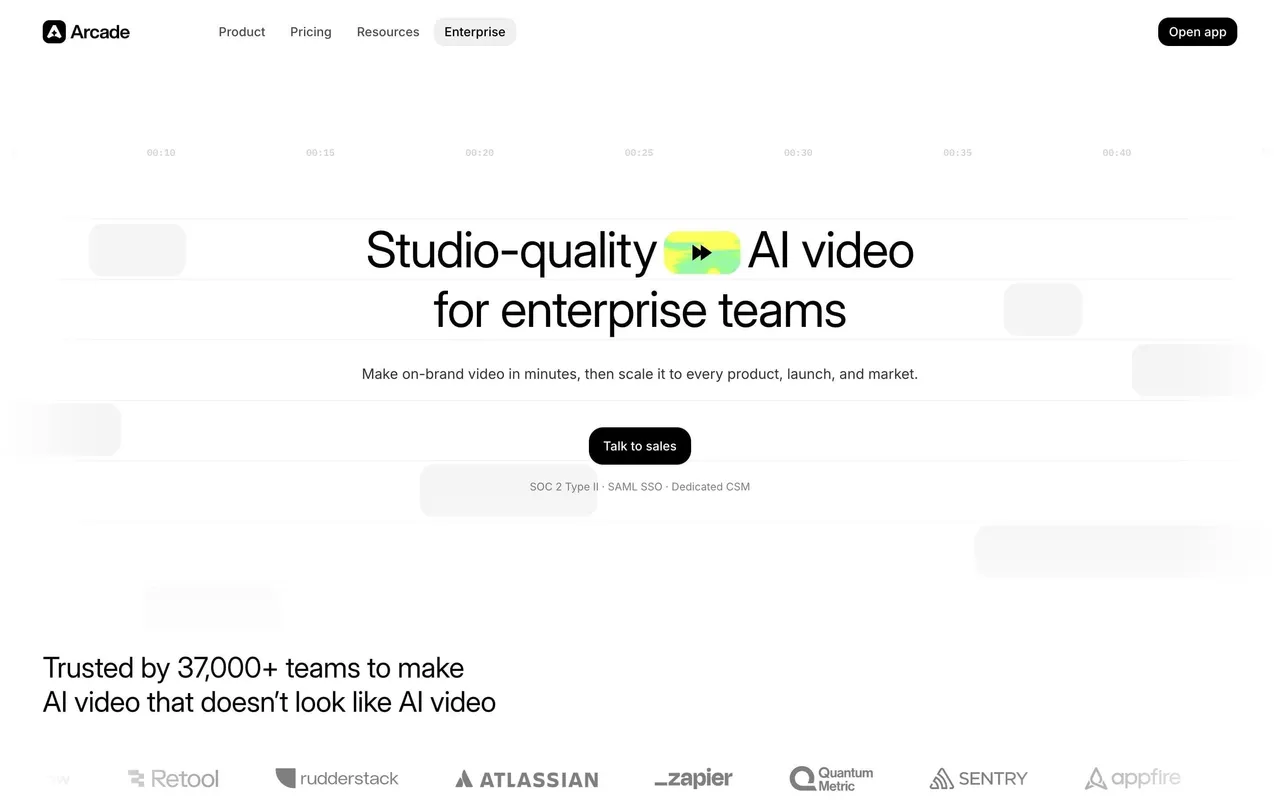

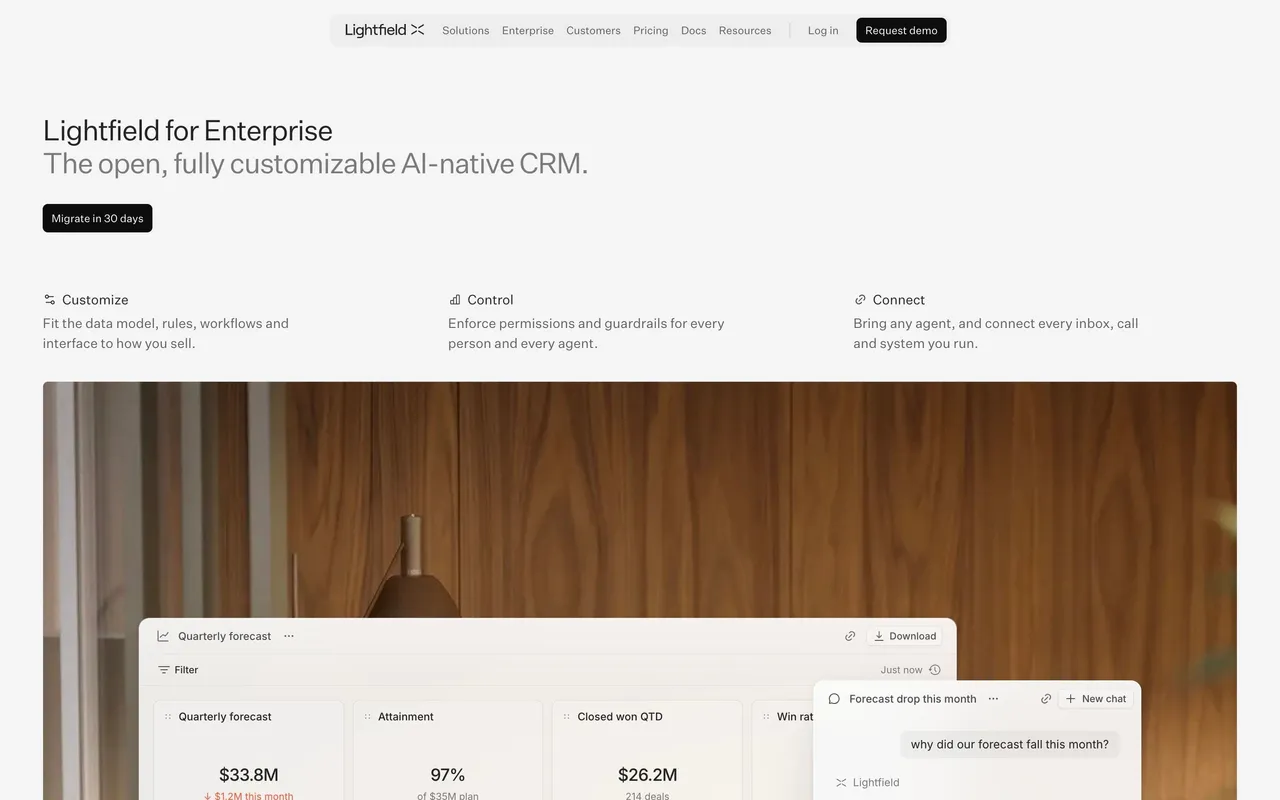

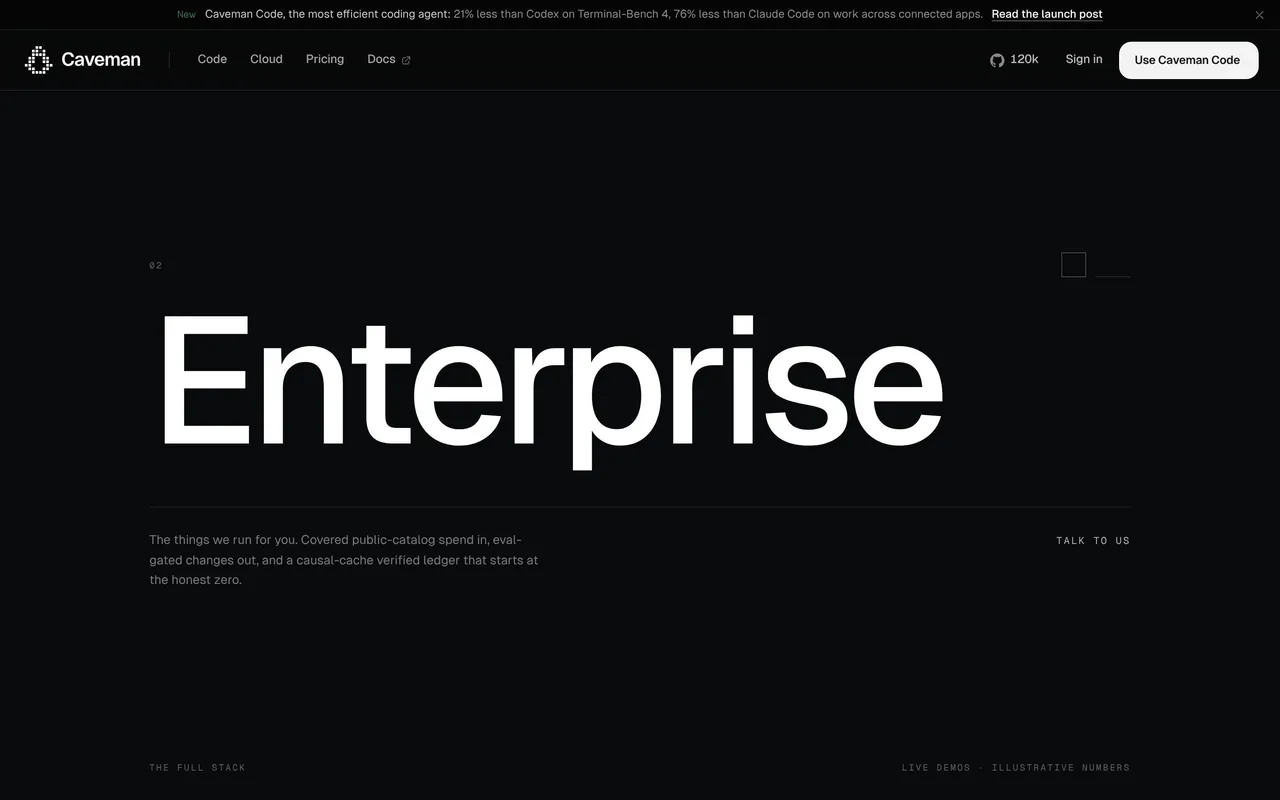
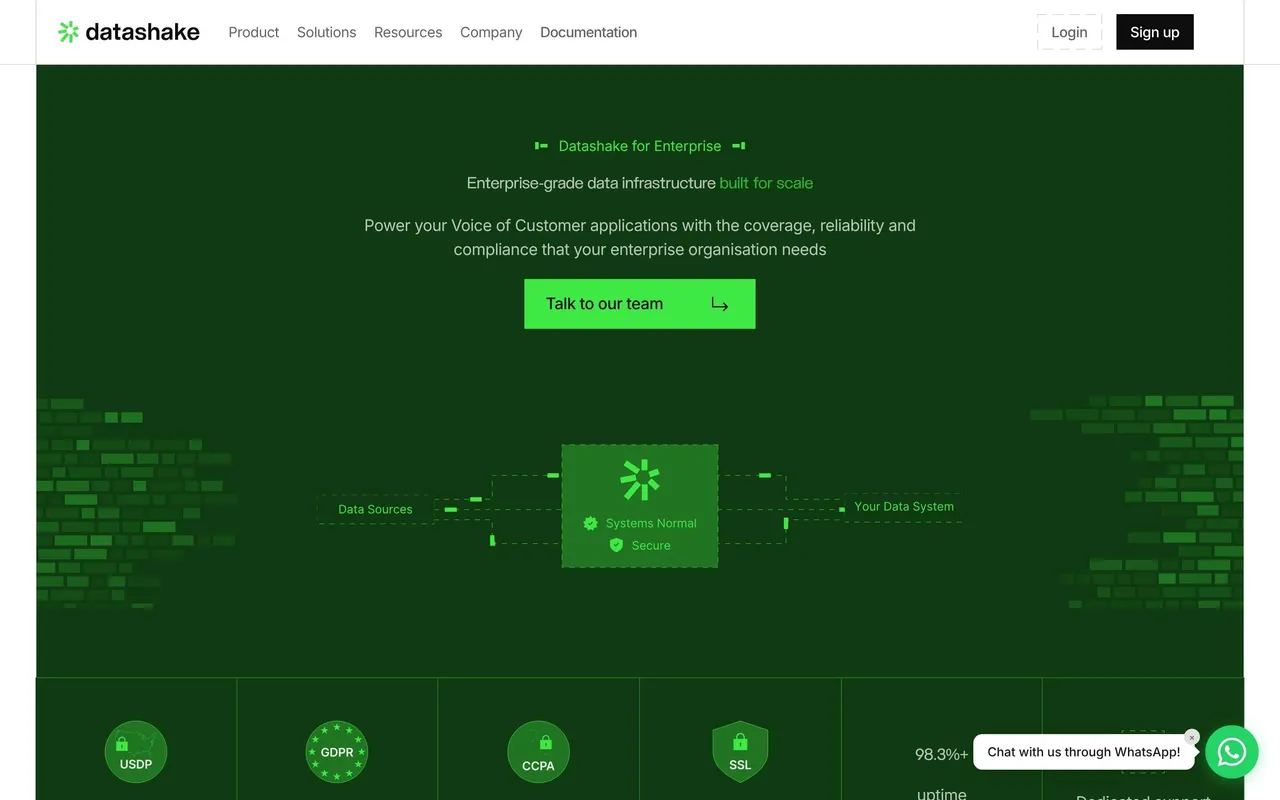
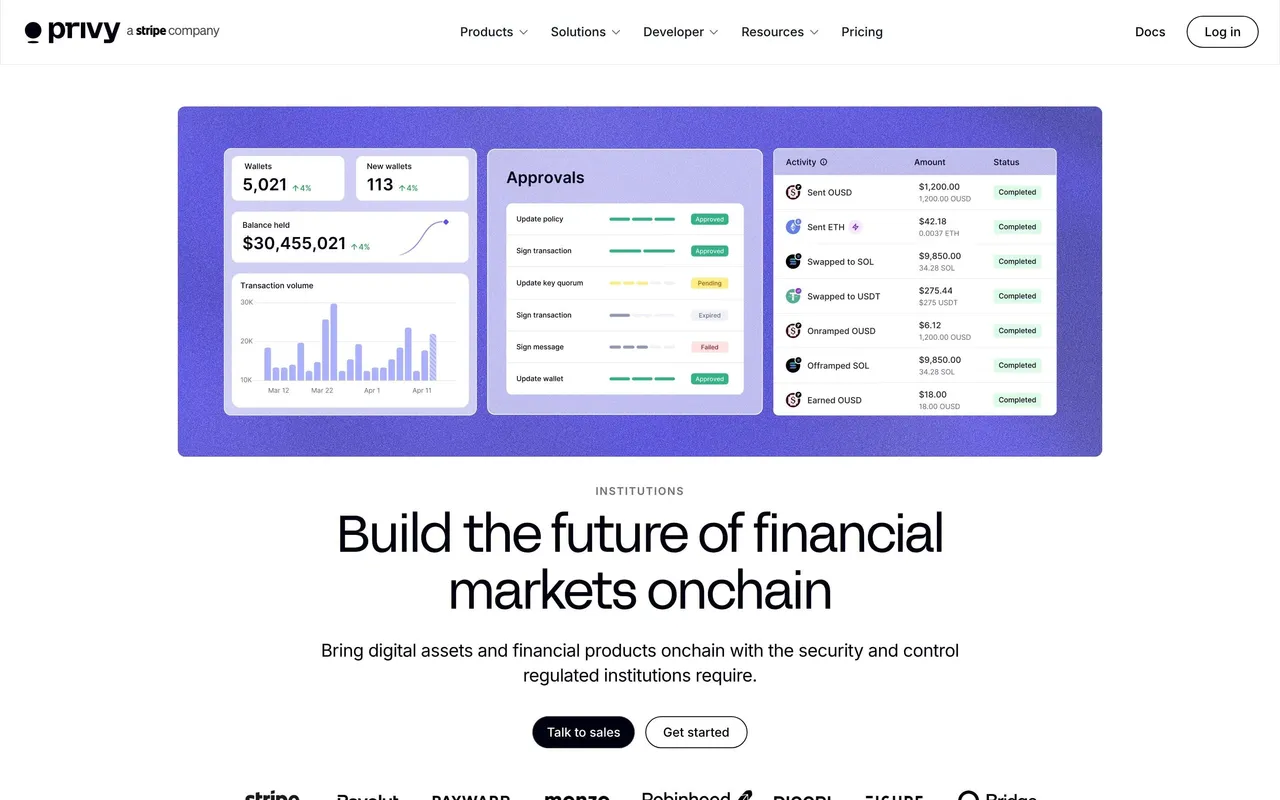
Index of all 27 Enterprise Page examples
- Caveman Enterprise Page
- Datashake Enterprise Page
- Privy Institutions Page
- Dub Enterprise Page
- Tines Enterprise Page
- Glide Enterprise Page
- Profound Enterprise Page
- Base44 Enterprise Page
- Cluely Enterprise Page
- Raycast Enterprise Page
- Tailscale Enterprise Page
- OpenAI Enterprise Page
- Cal.com Enterprise Page
- Asana Enterprise Page
- Deel Enterprise Page
- Resend Enterprise Page
- Artboard Studio Enterprise Page
- Lattice Enterprise Page
- Figma Enterprise Page
- Webflow Enterprise Page
- Overflow Enterprise Page
- Vercel Enterprise Page
- Veed Enterprise Page
- Payload Enterprise Page
🏢 Enterprise Page: design guide
Short answer
A SaaS enterprise page explains why the product fits large organisations and how they can evaluate it. Start from organisational workflows, cover administration, security, deployment and support, serve both end users and reviewers, and make the next step (sales call, security review, pilot) explicit.
In the libraryas of November 2026
- Screens
- 27
- SaaS products
- 27
- Last added
- Nov 2026
Common patternsFeatures 6Bento Grid 3Statistics 3Hero Section 2Security & Compliance 2
Recently addedHumblyticsArcadeLightfieldCavemanPrivy
A SaaS enterprise page should explain why the product fits organizational use and how a larger customer can evaluate adoption. It needs to connect business workflows with administration, deployment, support, and review requirements rather than merely promising a bigger plan.
What organisational task does the enterprise offer solve?
Name the work the product supports and the teams involved. Enterprise visitors may need both a user's benefit and an administrator's understanding of rollout.
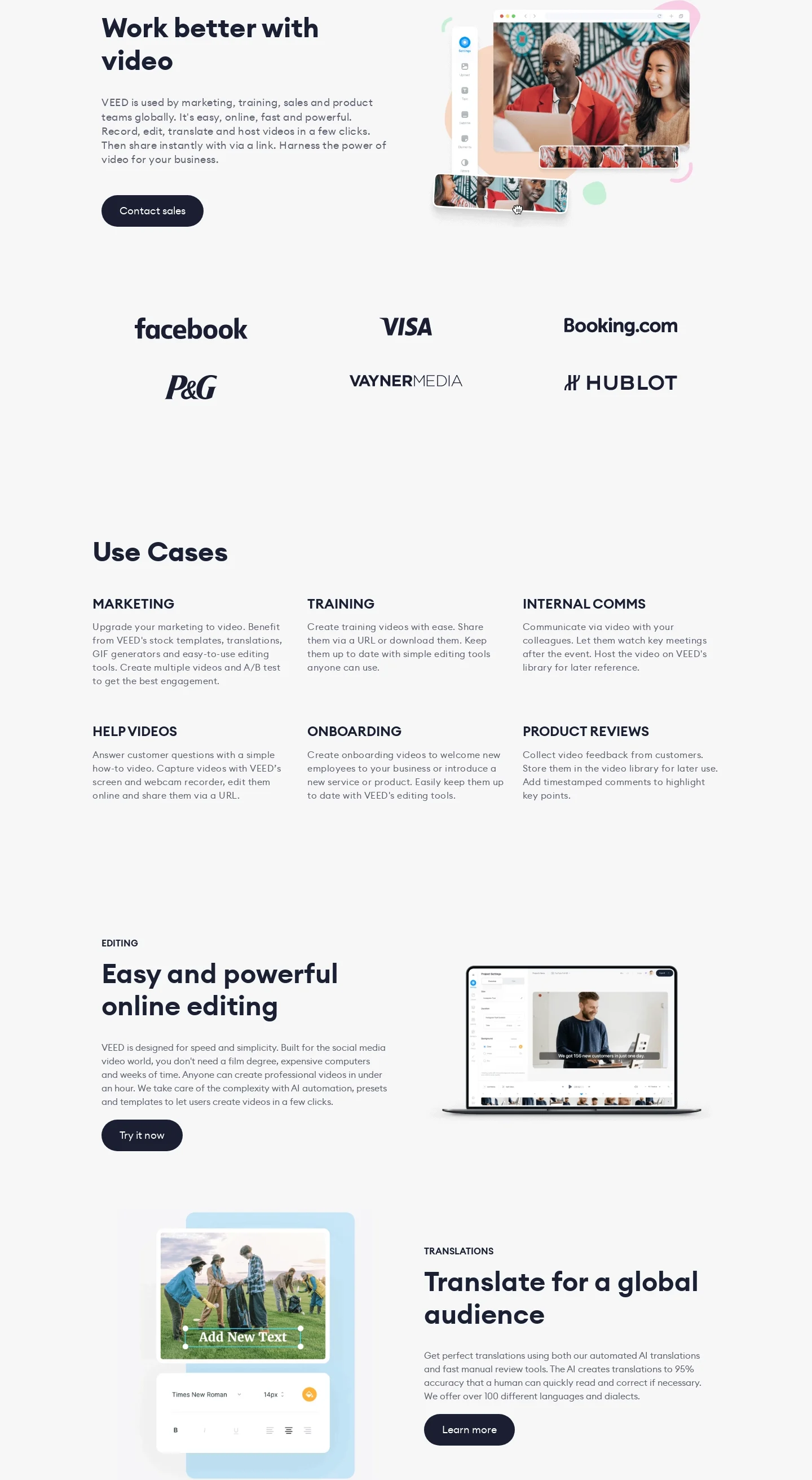
The VEED reference begins with workplace video use, then groups use cases and capabilities such as translation, subtitles, collaboration, brand consistency, and security-related material. A contact route closes the page.
This links the enterprise story to recognizable work. The useful lesson is the progression from a business task into capabilities that support shared use, not an assumption that all captured features remain available today.
Distinguish enterprise value from feature volume
More features do not automatically establish organizational fit. Explain the requirements that become important at scale: shared governance, consistency, integration, and an adoption process.
Connect each capability to a decision a reviewer needs to make. A security section should lead to appropriate maintained material; an integration section should identify relevant setup routes.
Keep detailed terms and plan eligibility accurate rather than borrowing another product's enterprise wording.
Show how the offering supports operational complexity
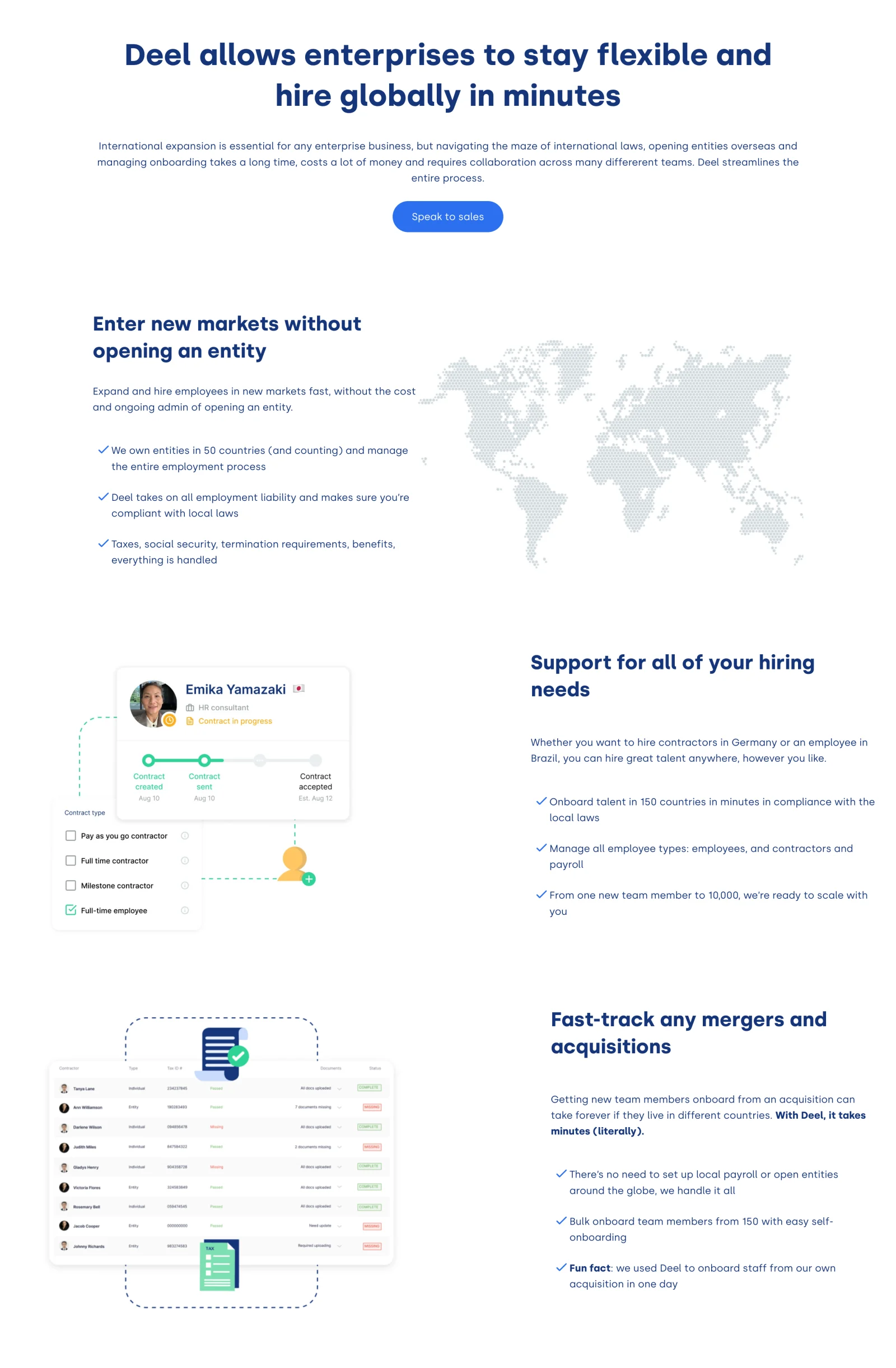
The Deel capture organizes its enterprise story around global hiring, market expansion, acquisitions, data-protection positioning, dedicated support, and integrations. Learning resources appear before a closing action.
That structure addresses several reasons a larger organization might seek help. Group those reasons around actual customer situations rather than presenting every capability as universally necessary.
Attributed proof and product images can support the story, but they should not replace a clear account of the implementation path.
Serve users and reviewers together
A champion may need material for security, procurement, finance, and technical colleagues. Provide distinct routes to the information each reviewer needs.
Avoid forcing every role through the same generic demo before they can inspect basic feasibility. Documentation and assurance routes can remain available alongside sales contact.
Identify which questions require a tailored conversation and what the team can clarify there.
Explain the next commitment
A contact or demo CTA should describe what happens after submission. State whether the visitor requests outreach, schedules a meeting, or begins an evaluation.
Ask for information that helps prepare a relevant discussion. Keep qualification proportionate to the task, and explain unfamiliar fields.
If enterprise capabilities require a particular agreement or rollout, make that boundary understandable without promising details the page cannot establish.
Keep proof relevant and scoped
Customer logos show adoption context; case studies can explain a specific workflow and result. Choose proof that helps a visitor assess a similar organizational situation.
Do not treat a testimonial as a universal guarantee. Preserve attribution, context, and a route to the fuller story where available.
Update links and date-sensitive claims as the offering changes. A historical capture is a design reference rather than a current enterprise specification.
Review the evaluation route
Ask whether a visitor can identify the business fit, find administrative information, reach appropriate evidence, and understand the next step.
Explore SaaSFrame's enterprise-page references to compare workflow narratives and evaluation paths. Build around how an organization reaches an informed adoption decision.
Enterprise page questions
Is enterprise just a larger pricing tier?
Not necessarily. Explain organizational requirements and adoption support rather than relying on feature quantity alone.
Should all visitors request a demo?
A demo can be useful, but basic technical and assurance information should have appropriate routes for independent evaluation.
What kind of proof is useful?
Use relevant, attributed customer context and maintained supporting material for specific claims.