
What's new in SaaS design

Hiver
October 14, 2026
Hiver adds a recoverable Spam view to Shared Inbox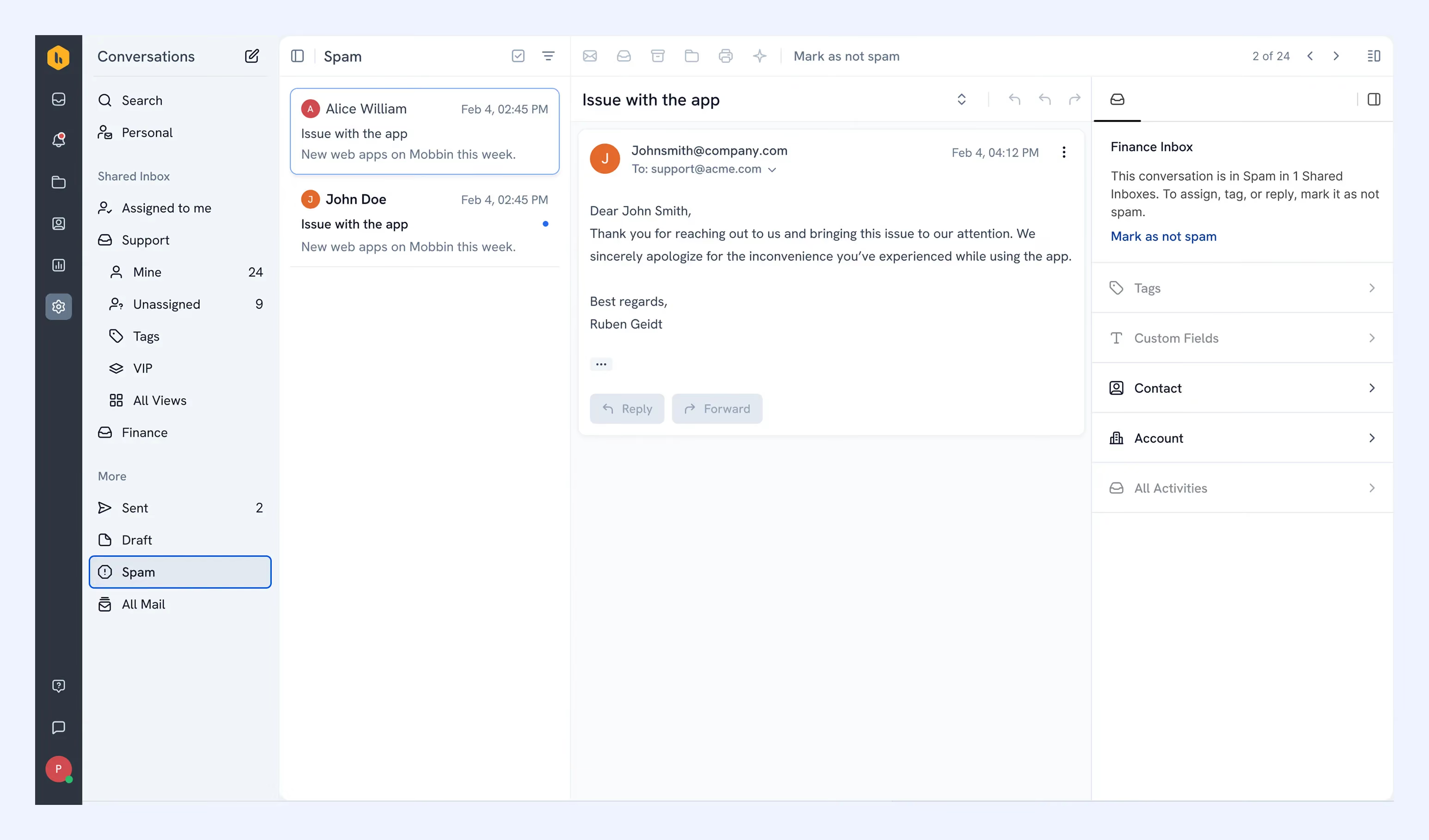
What changes
A new Spam view gathers messages classified as Gmail Spam or Outlook Junk and lets teammates recover a customer email into a Shared Inbox.
Why it's interesting
Putting mistakenly filtered customer messages in a visible recovery queue helps teams catch requests that would otherwise go unanswered.

Peec AI
October 13, 2026
Peec turns AI visibility data into ranked actions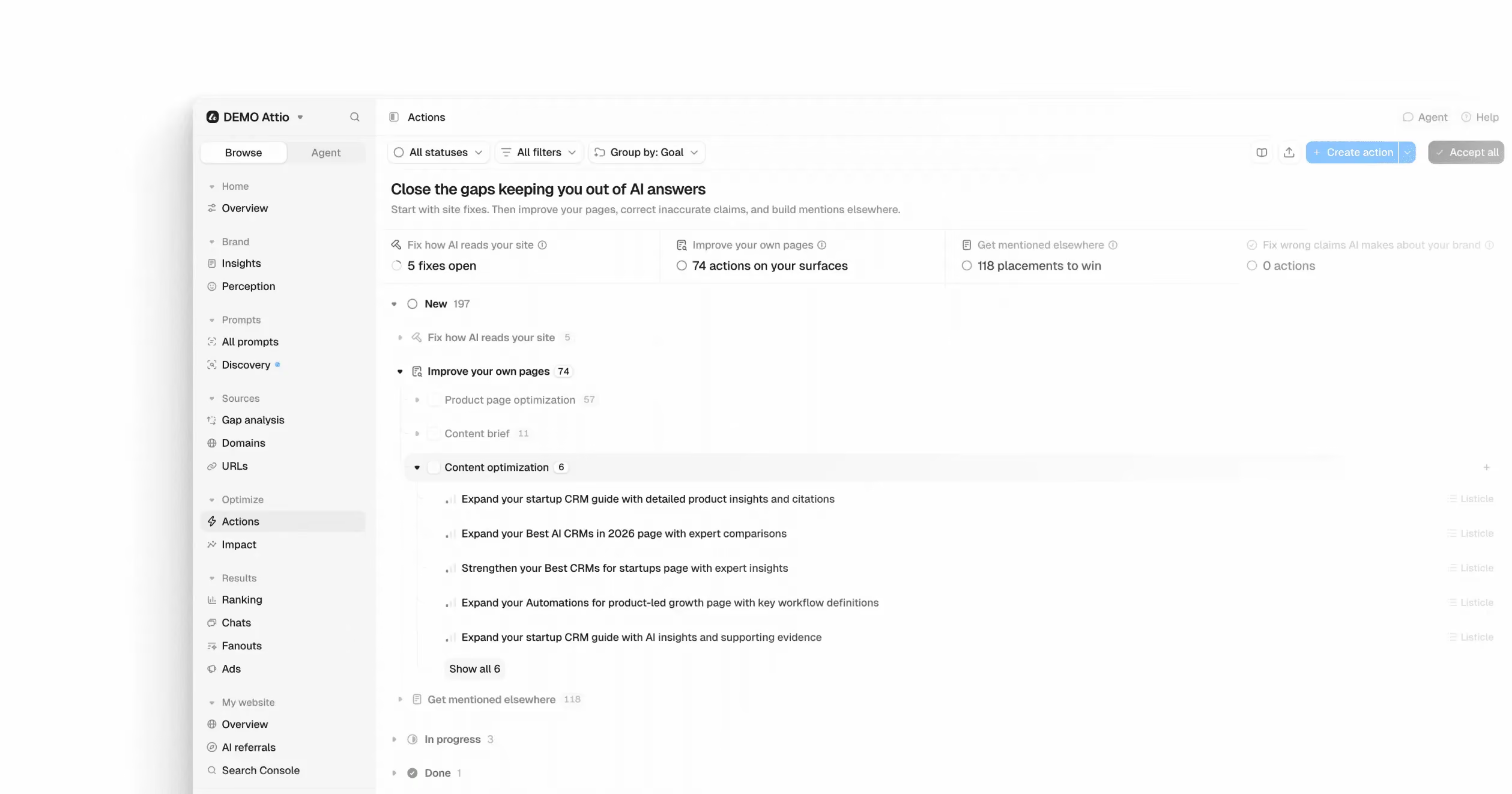
What changes
A new Actions view ranks site fixes, owned-page changes, earned opportunities, and fact-checking tasks with supporting evidence. For an existing page, a dedicated editor presents suggested changes to accept, edit, reject, or revert individually.
Why it's interesting
The ranked queue links an insight to an actionable next step, while reversible inline suggestions keep the user in control of content edits.

Notion
October 13, 2026
Notion makes agent edits visible in version history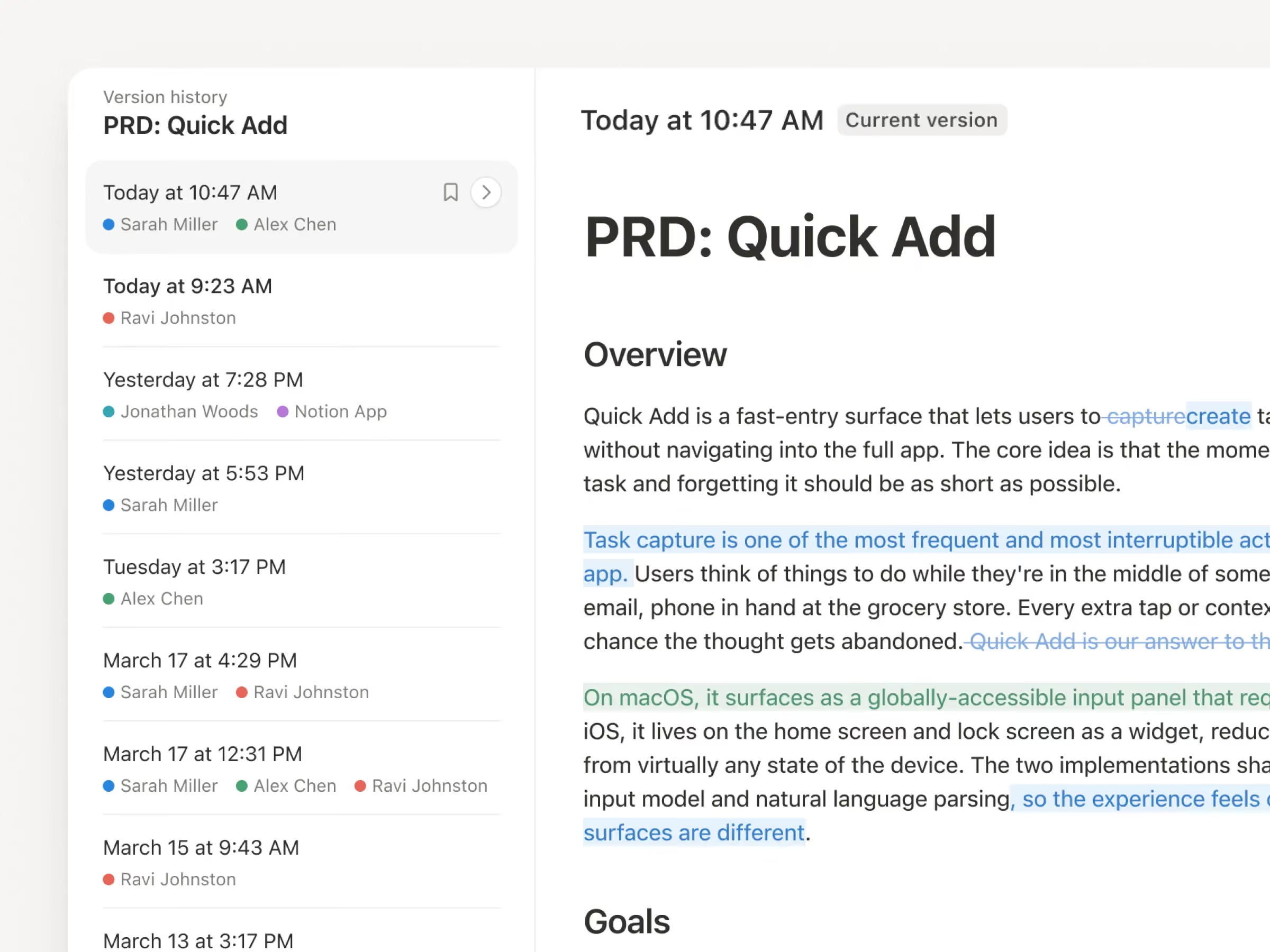
What changes
Version history now highlights edits across pages and databases, details database changes, attributes changes to people or agents, and keeps restore controls close to the record.
Why it's interesting
Clear attribution and reversible changes let teams inspect agent work before relying on a shared page or database.

Appcues
October 13, 2026
Appcues branches in-product surveys by answer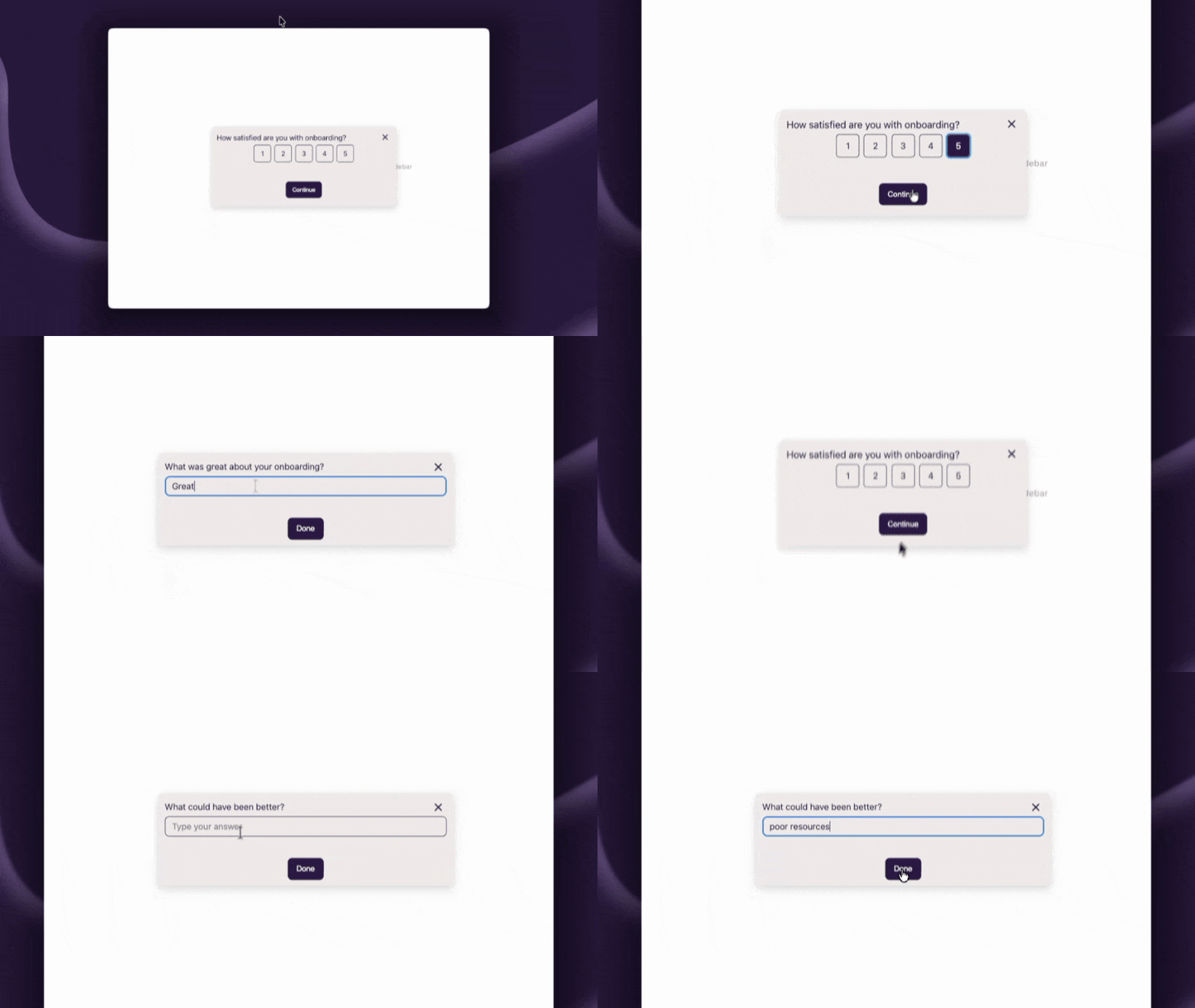
What changes
Flows 2.0 and Embeds gain survey blocks for text, single-select, multi-select, and rating questions. Conditional actions send people to different steps based on an answer or profile property.
Why it's interesting
One flow can adapt follow-up content to a respondent's input, making onboarding and feedback prompts more relevant without duplicating entire flows.

Webflow
October 13, 2026
Webflow consolidates structural elements into Box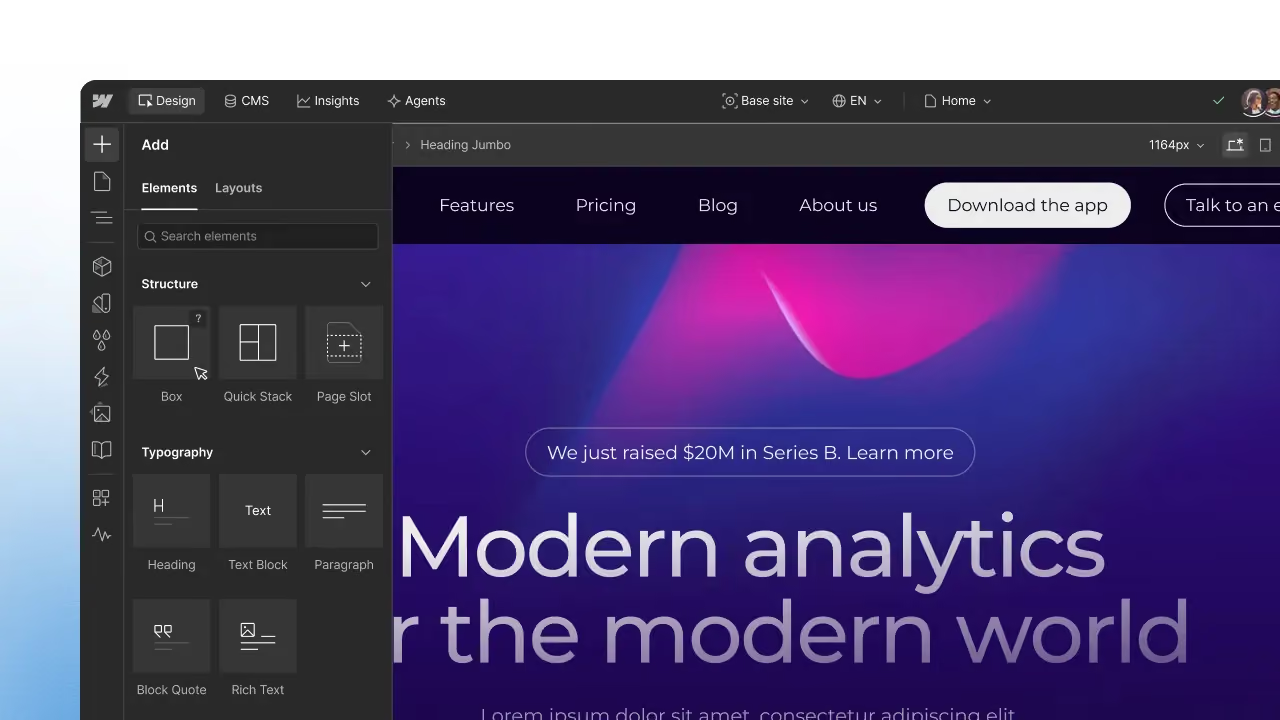
What changes
A single Box replaces seven structural choices in the Add panel. Designers can change its semantic HTML tag without replacing the element, inspect that tag in the Navigator, and style 19 more tags globally.
Why it's interesting
Consolidating overlapping choices simplifies page construction while preserving semantic structure and reusable site-wide styling.

Qwilr
October 12, 2026
Qwilr puts AI image editing in its proposal editor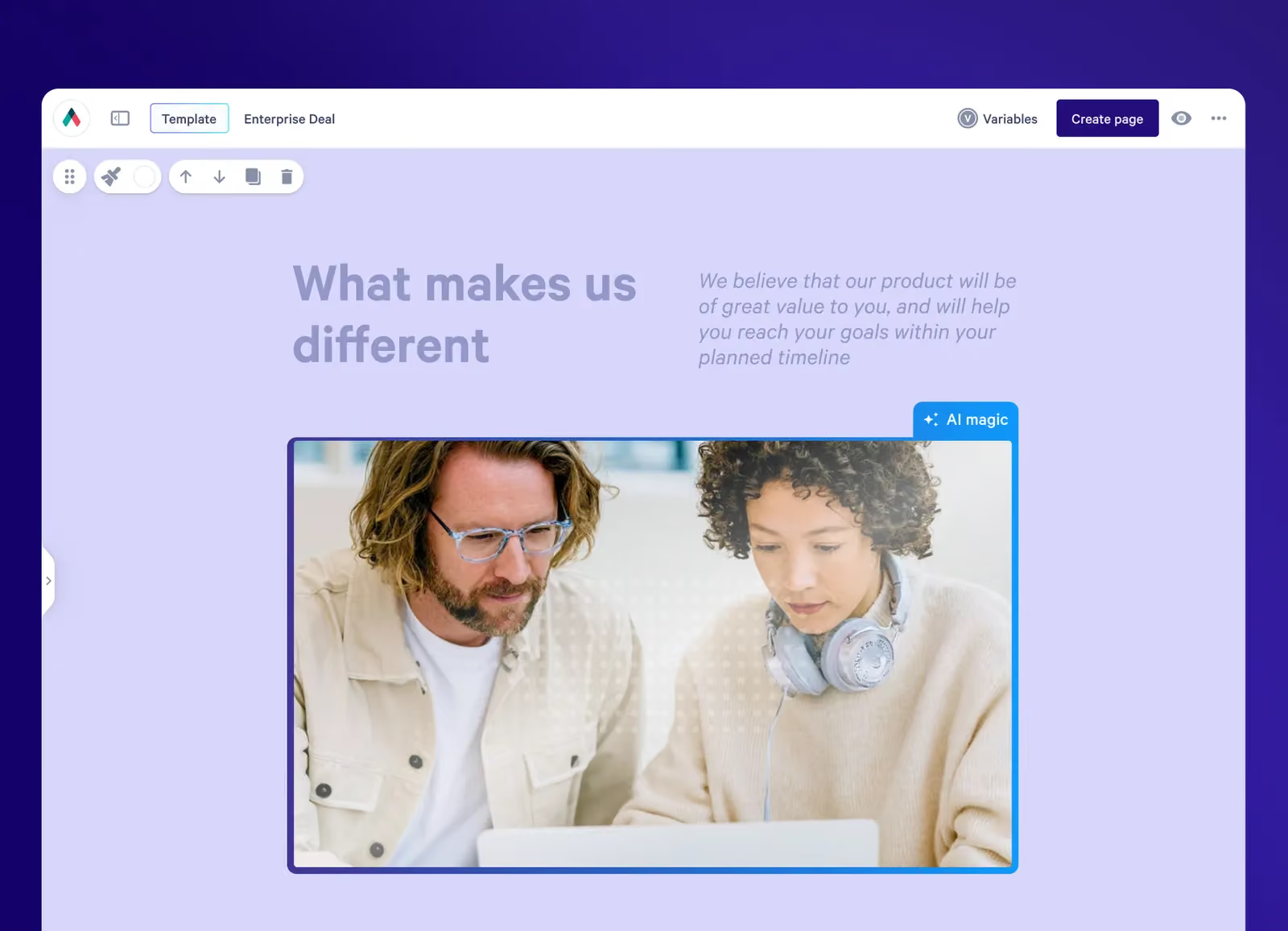
What changes
When adding an image, users can generate one from a prompt and choose a style. Selecting an existing image opens Edit with AI for custom instructions or presets such as background removal and resolution enhancement.
Why it's interesting
Contextual controls let proposal authors refine imagery without leaving the page they are composing.

Linear
October 8, 2026
Linear adds an AI credit usage explorer
What changes
A new Usage & Limits view breaks AI spend down by team, feature, user, or loop across selectable periods, combining summary metrics, a trend chart, a detailed table, and configurable spend limits.
Why it's interesting
The progressive path from totals to chart segments and row-level details helps admins identify cost drivers, while limits turn the insight into an immediate control.
Linear
October 8, 2026
Linear brings stacked pull requests into Diffs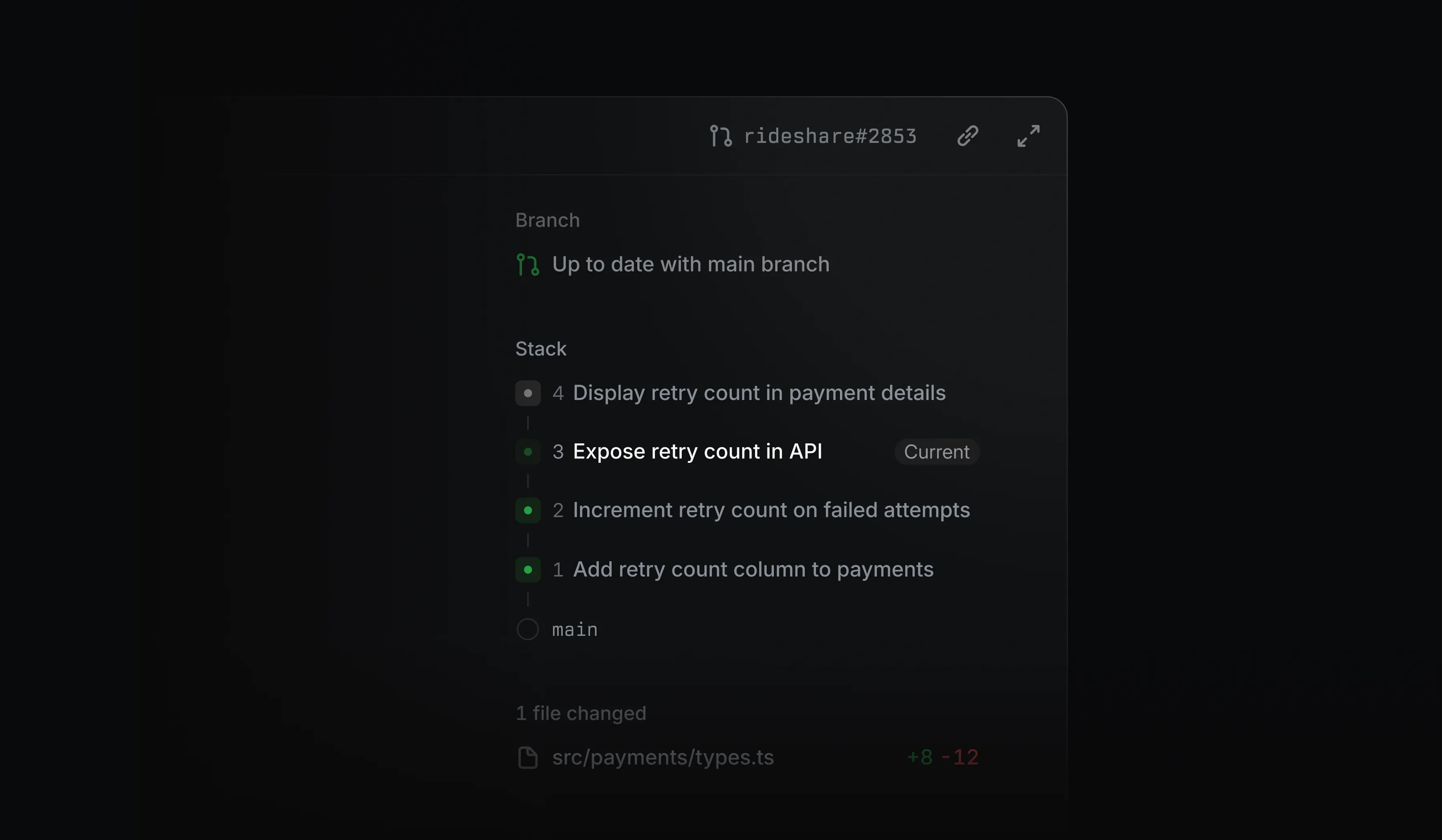
What changes
Linear Diffs now groups related pull requests into a collapsible stack, shows the current PR's position and exposes review, CI, branch, and merge status while users move through the stack.
Why it's interesting
Keeping stack structure and delivery status inside the review workspace reduces navigation between pull requests and makes merge dependencies easier to understand before acting.

Raycast
October 2, 2026
Raycast introduces customizable mobile navigation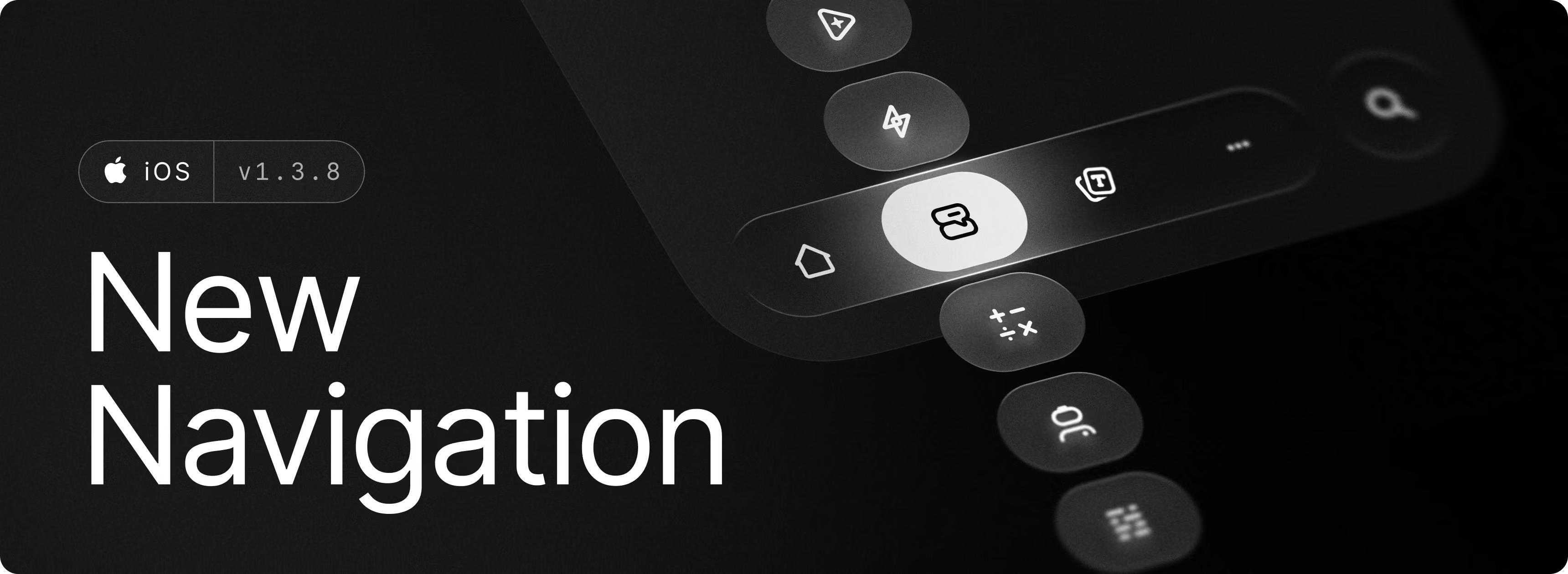
What changes
Raycast for iOS now uses a customizable tab bar for favorite features, a More area for secondary destinations, and unified search across the app.
Why it's interesting
The new information architecture keeps frequent actions within thumb reach while preserving access to the full product through a predictable overflow and search model.

Framer
October 1, 2026
Framer adds a visual firewall rule builder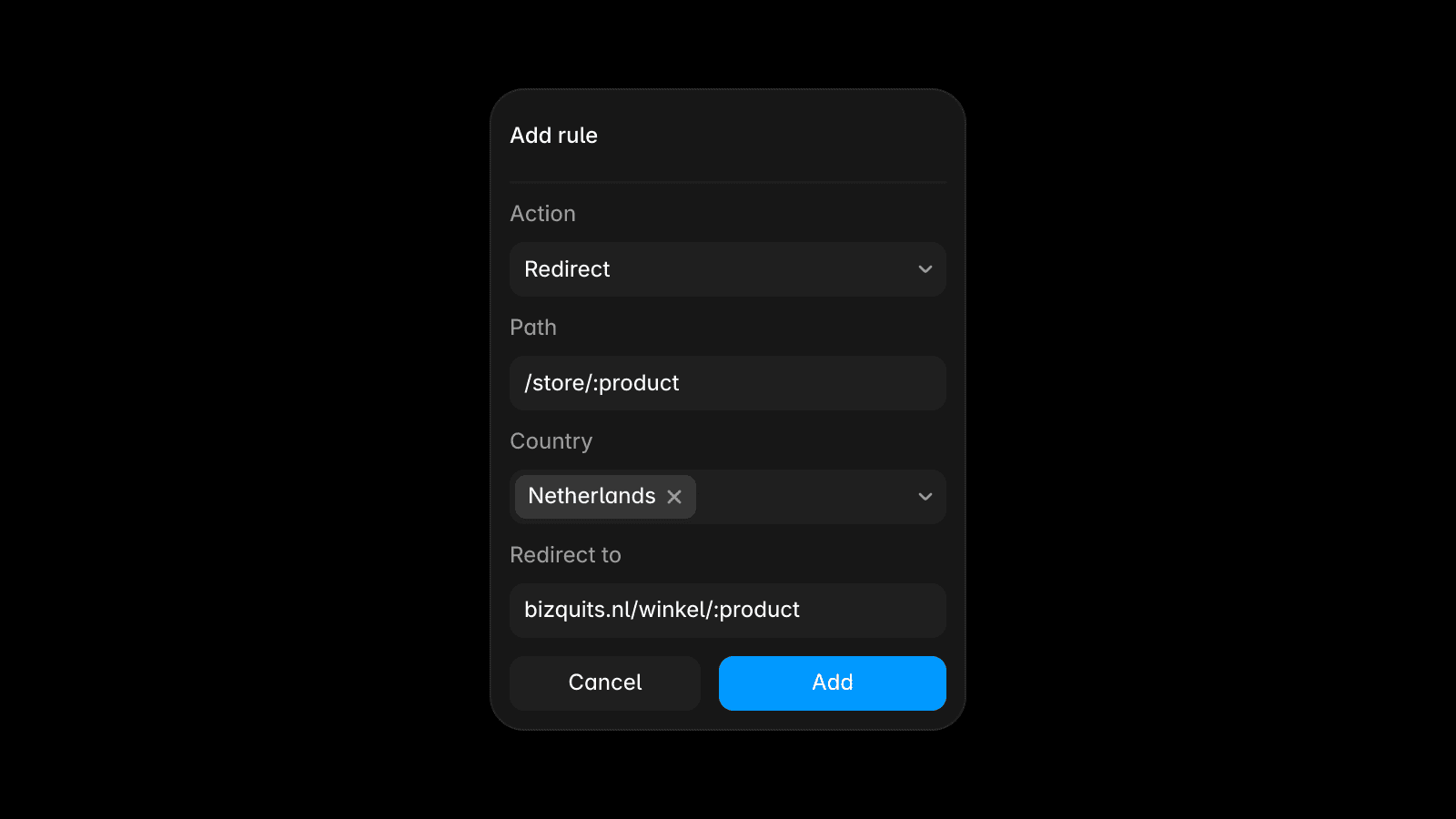
What changes
Framer now lets teams create hosting rules that block or redirect visitors by country and requested path, including routing visitors to localized versions of a site.
Why it's interesting
A compact condition-and-action interface turns access control into an understandable configuration flow for site teams instead of a code-only task.

GitHub
October 1, 2026
GitHub structures private vulnerability reports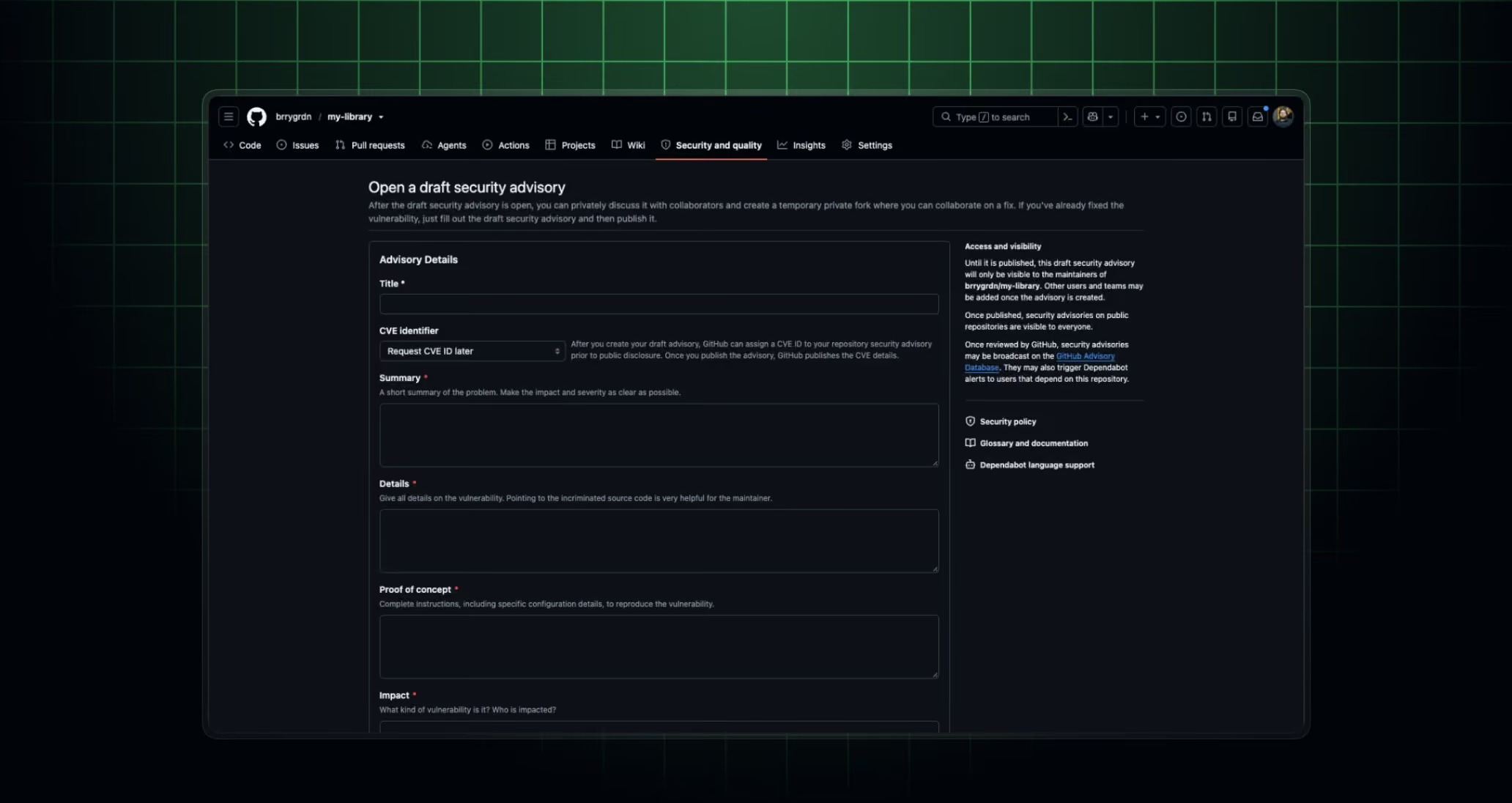
What changes
Private vulnerability reports now use a structured form with required summary, details, proof-of-concept, and impact fields, plus optional customization and an AI-assistance disclosure.
Why it's interesting
Breaking an ambiguous free-text task into explicit fields improves submission quality and gives reporters clearer expectations before they submit sensitive information.
GitHub
October 1, 2026
GitHub makes its redesigned dashboard the default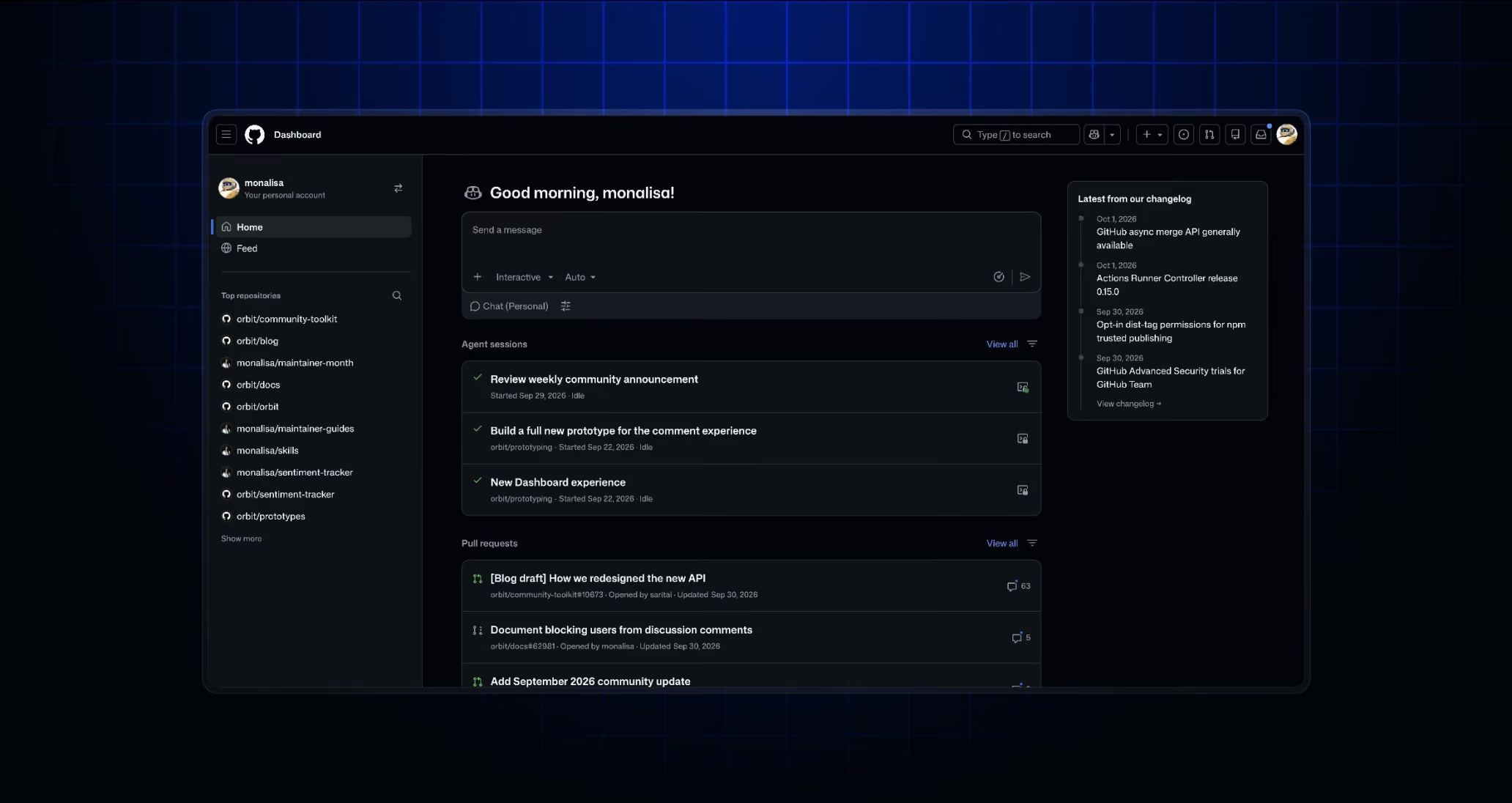
What changes
GitHub's dashboard now brings active agent sessions, issues, and pull requests into configurable lists, separates updates into a Feed tab, and exposes actions for starting work.
Why it's interesting
Separating actionable work from the activity feed reduces attention competition, while filters and direct actions turn the dashboard into a task-oriented home screen.
Linear
September 24, 2026
Linear gives teams their own project statuses and labels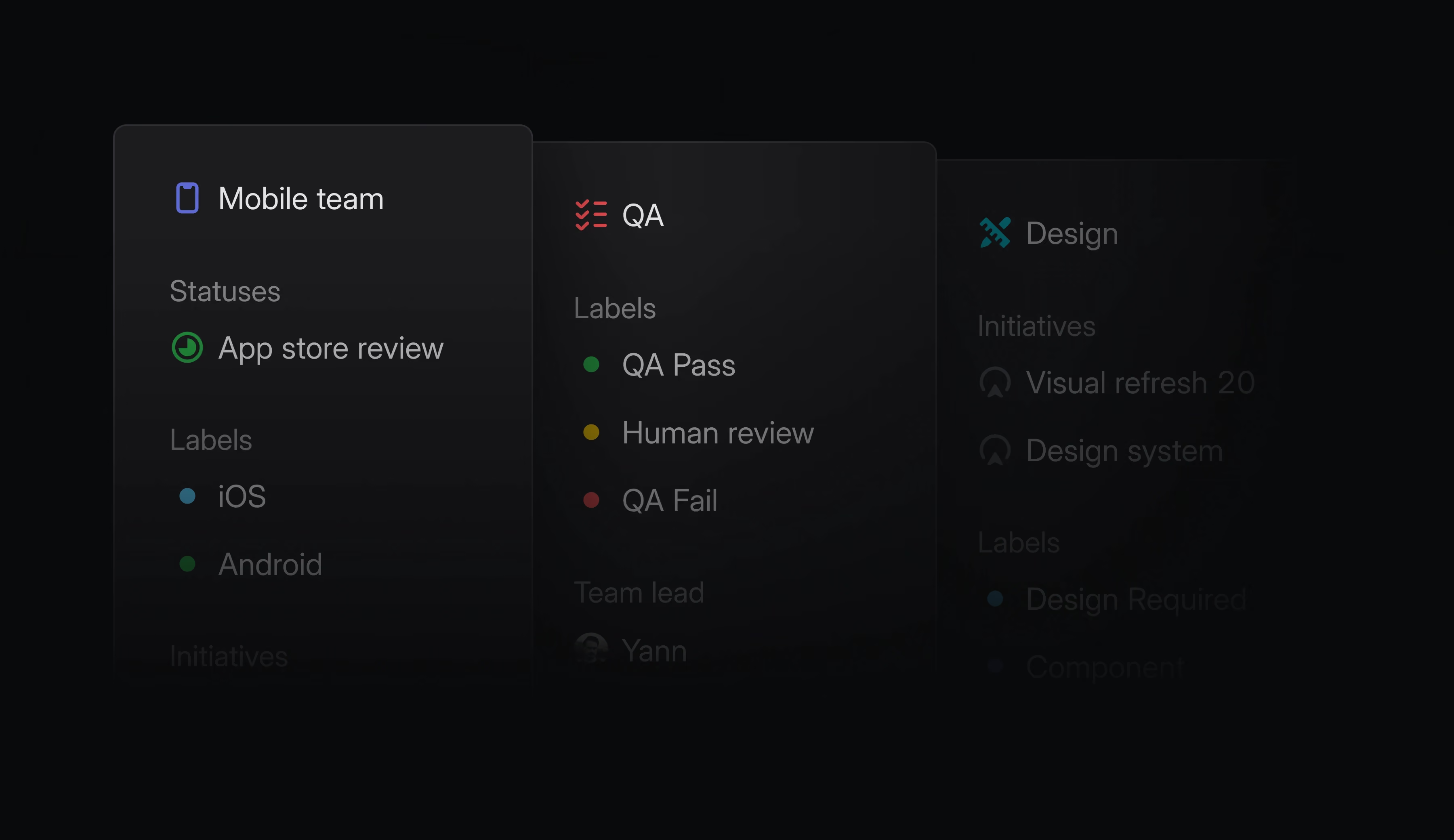
What changes
Teams can define project statuses and labels for their own workflows, share them with sub-teams, and assign a lead team to a project for clearer ownership.
Why it's interesting
Team-specific status systems let different functions express their workflow while retaining a shared workspace view.

Attio
September 23, 2026
Attio adds suggested actions to Ask Attio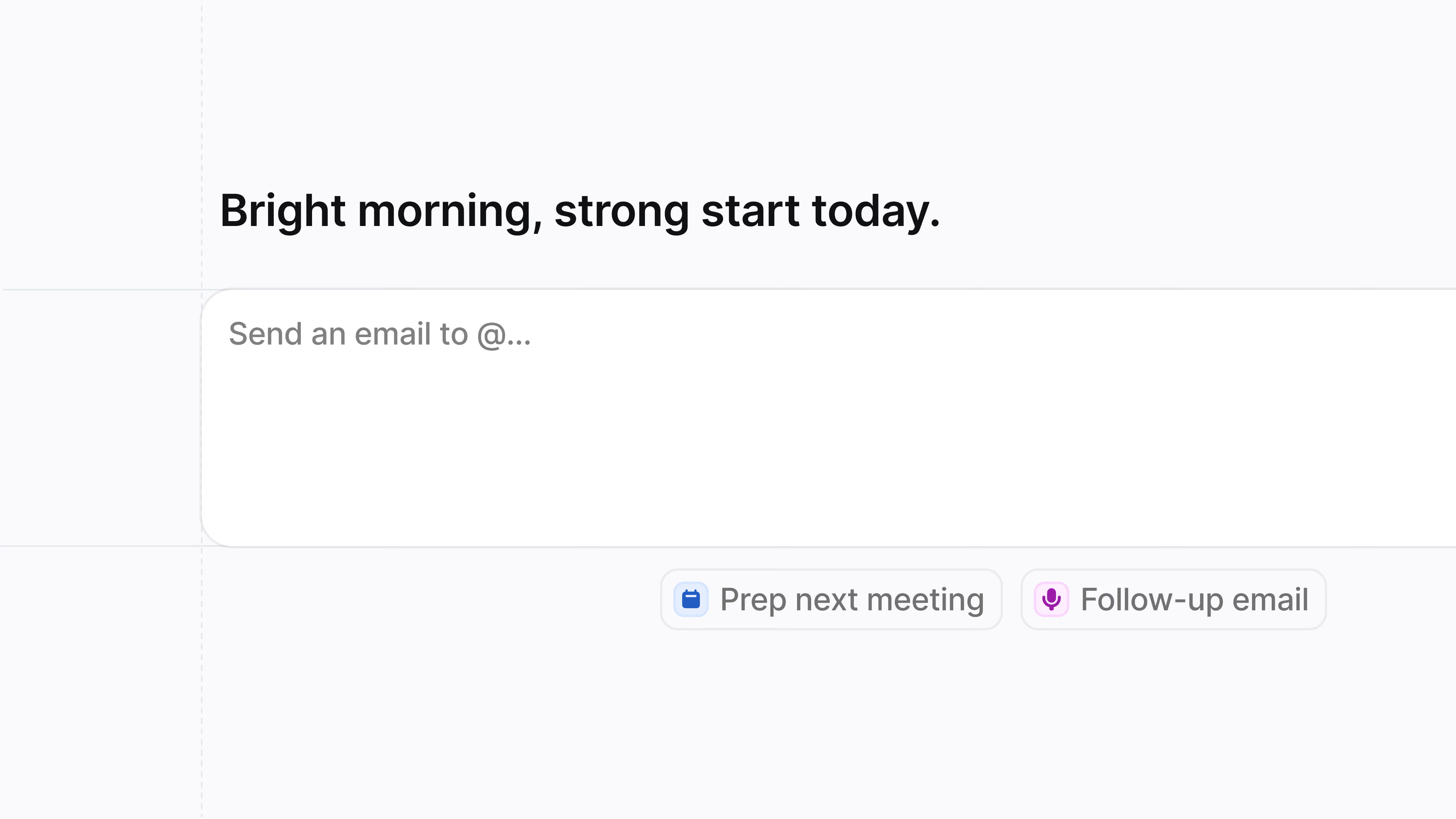
What changes
Ask Attio now suggests contextual example prompts directly in its chat box and uses a consistent panel, shortcuts, and minimize control across pages.
Why it's interesting
Suggested next actions help users discover useful AI tasks without composing a prompt from scratch, while a consistent panel reduces relearning.
Attio
September 23, 2026
Attio shows every step of a workflow run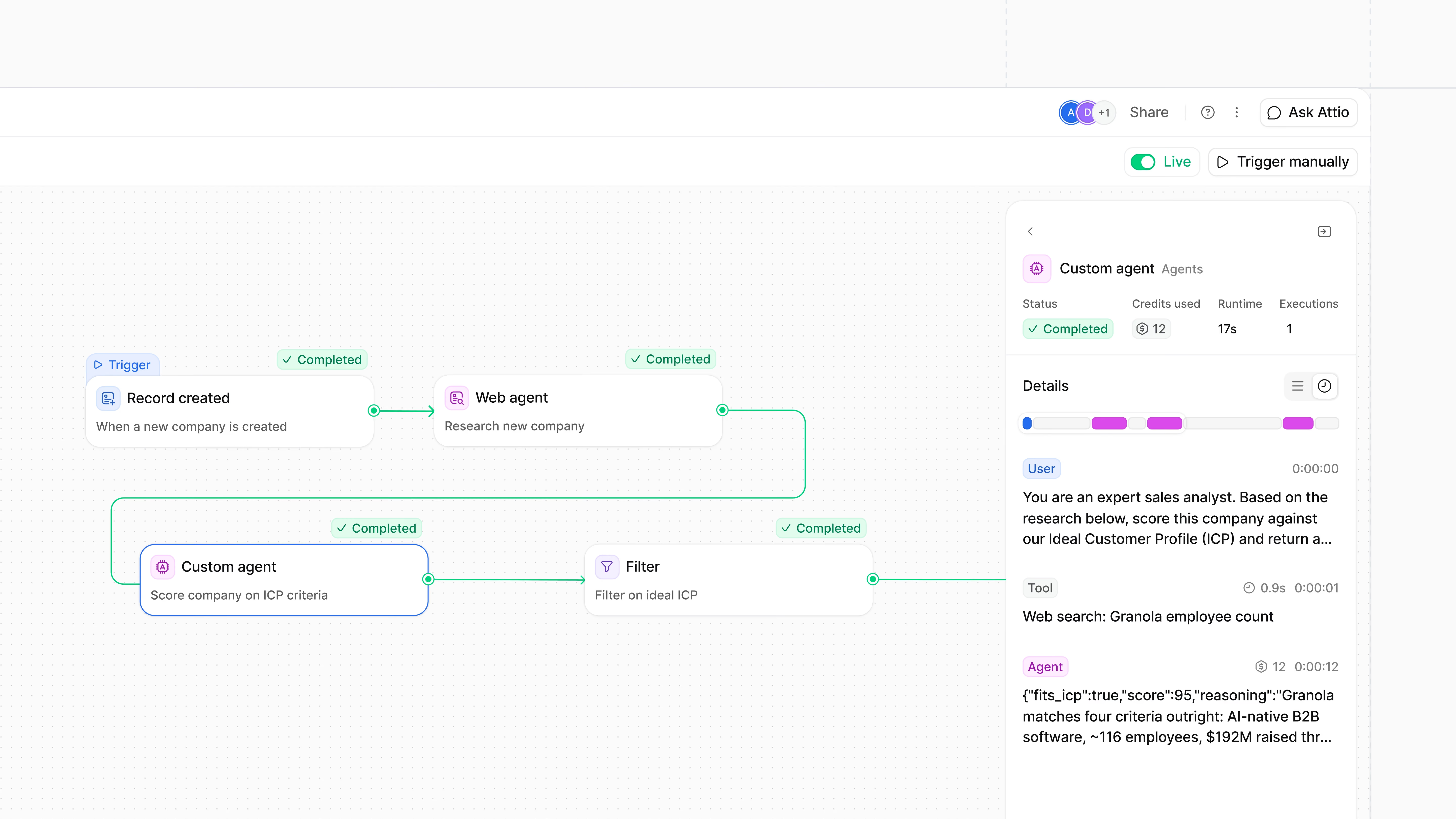
What changes
Attio added a workflow history view showing each step, its changes, and the outcome. A separate agent log records tool calls, changed records, and credits used.
Why it's interesting
Detailed execution history makes automated work inspectable and helps users diagnose unexpected results before trusting more complex workflows.

Steep
September 22, 2026
Steep rebuilds tables for multidimensional analysis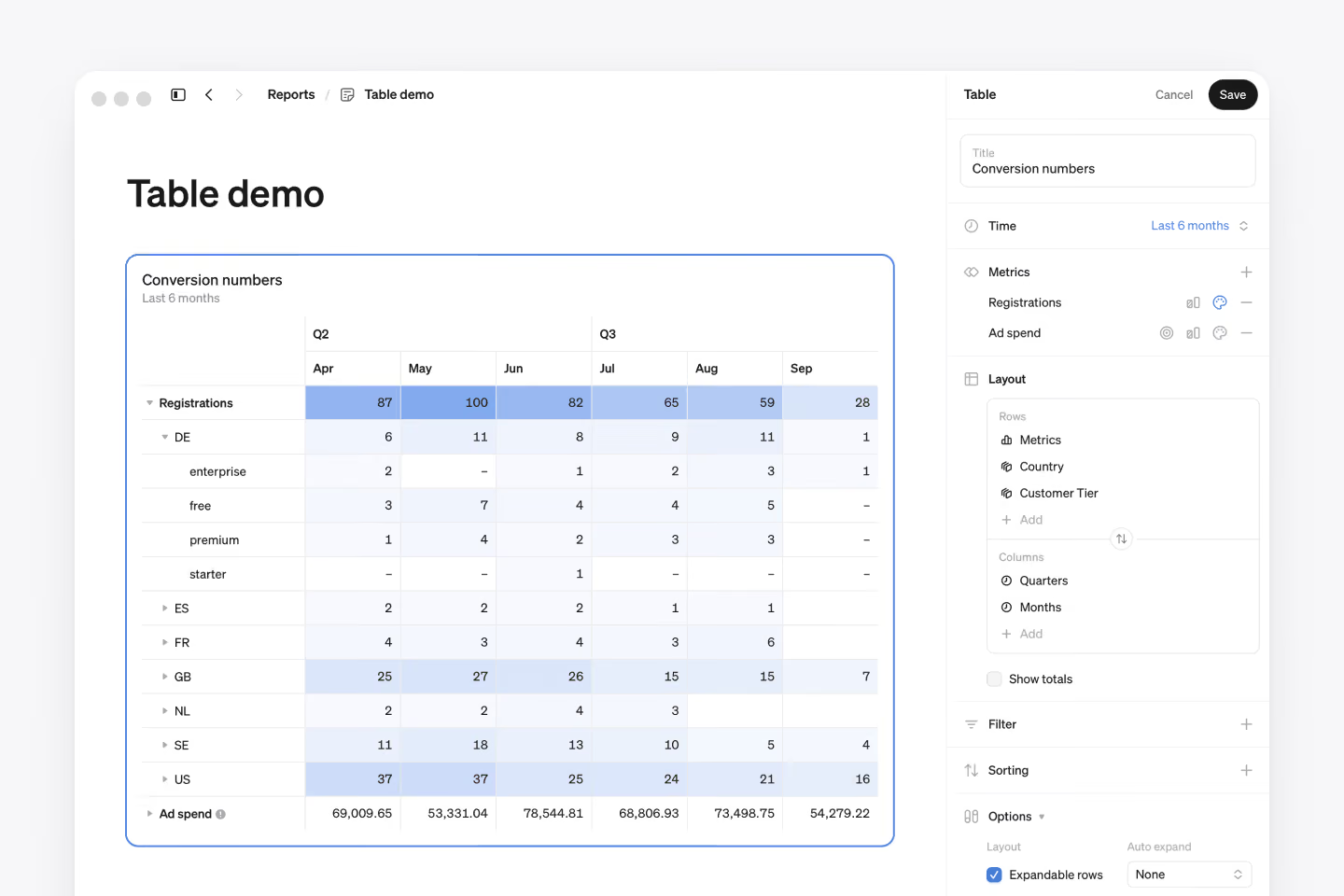
What changes
Steep's rebuilt tables support multiple metrics and breakdowns across rows and columns, expandable hierarchies, comparisons, targets, totals, and independent sorting.
Why it's interesting
Progressive disclosure lets people move from a compact overview into deeper data without leaving the table or writing a query.

Kinsta
September 16, 2026
Kinsta adds keyboard-powered navigation to MyKinsta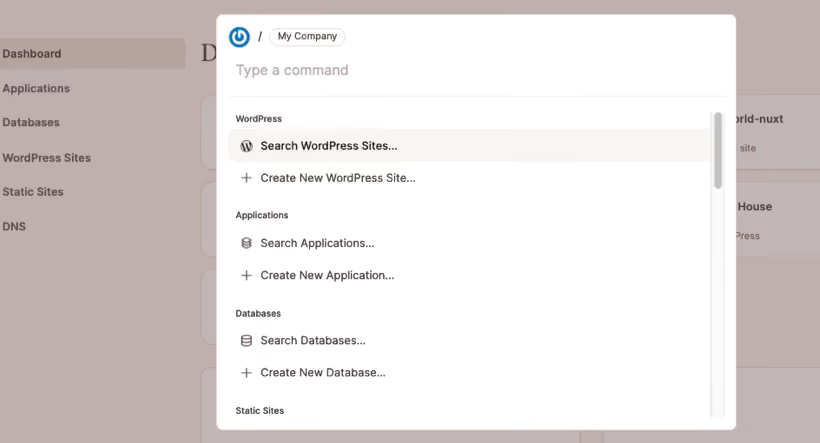
What changes
MyKinsta added an omni-search dialog opened with Cmd/Ctrl+K. It filters destinations within the current menu context and supports keyboard navigation through the dashboard.
Why it's interesting
The command palette gives frequent users a fast route across a deep account hierarchy while retaining the visual navigation for everyone else.
Framer
September 14, 2026
Framer lets teams pin projects in the dashboard sidebar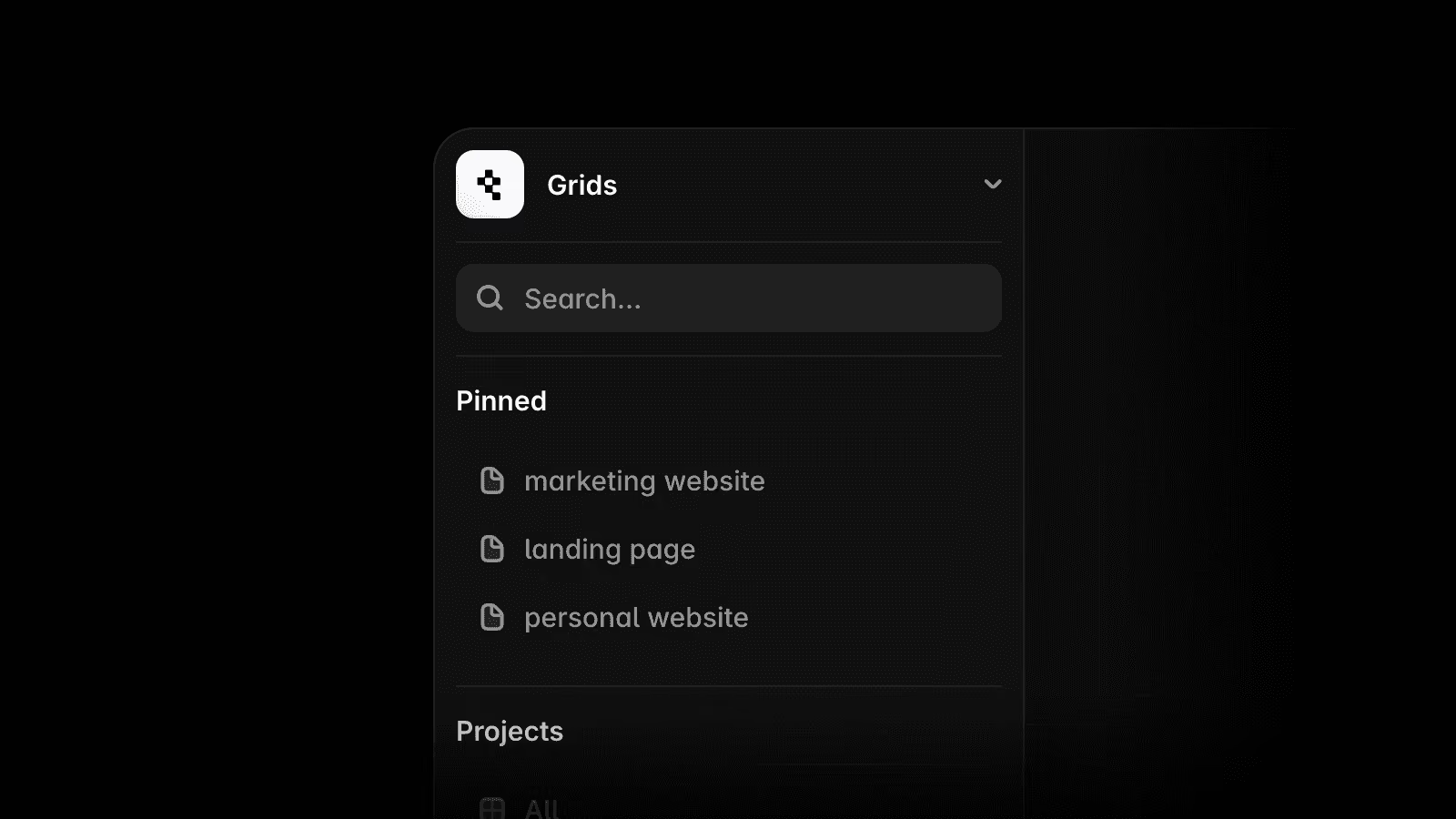
What changes
Projects can now be pinned from a context menu to Framer's dashboard sidebar and reordered by dragging them.
Why it's interesting
Frequently used projects become one-click destinations without searching the workspace; each person can organize their own shortcuts.
Raycast
September 14, 2026
Raycast updates its interface for macOS Golden Gate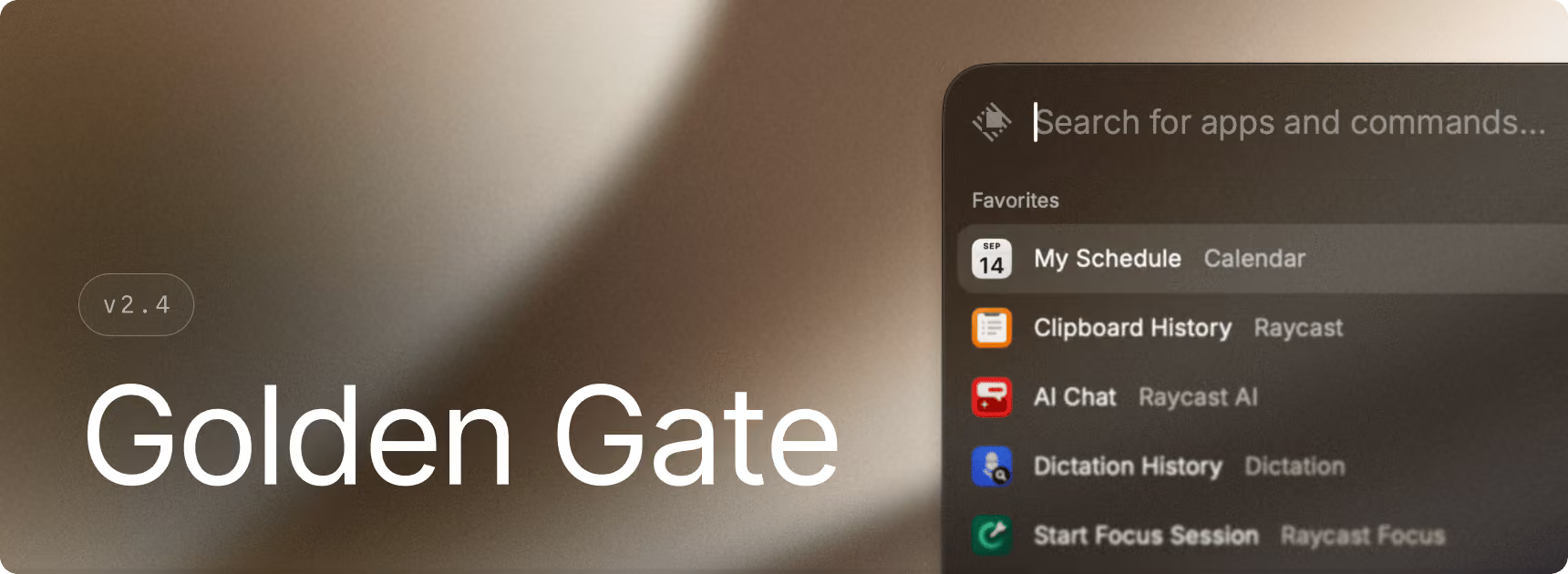
What changes
Raycast updated its macOS interface for Golden Gate, including redesigned sidebars and toolbars and Liquid Glass styling across the app.
Why it's interesting
A platform-level visual refresh requires familiar navigation and controls to remain recognizable while adopting the operating system's new conventions.
Steep
September 8, 2026
Steep introduces workspace and report color themes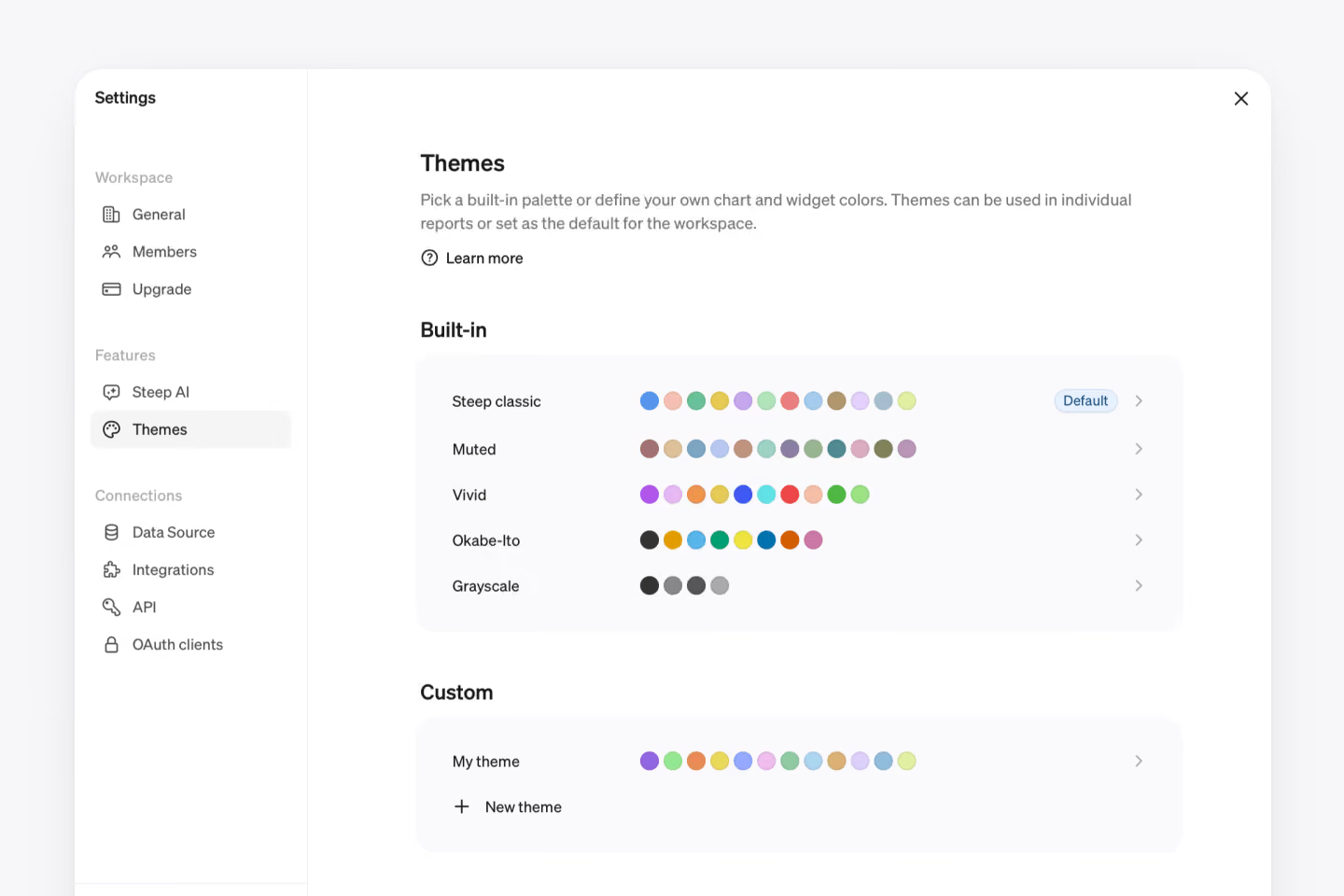
What changes
Steep added five built-in color themes and a custom theme editor. Admins can preview chart and widget colors in light and dark mode, then apply a theme workspace-wide or to individual reports.
Why it's interesting
A shared palette keeps analytical reports visually consistent while giving teams controlled ways to adapt them for different audiences.