Discovery Questions
40


We sell SaaSFrame licenses on Gumroad, a secured online selling platform for creators.
SaaSFrame gets updated all the time! Every new update and version will immediately be made available to all SaaSFrame users.
The licence key required to create your SaaSFrame account is send by Gumroad once you made your purchase. If this email is blocked by your email client, send me an email at antoine[at]unmake[dot]io so I can resend the licence key.
You can generate an invoice on Gumroad once you purchased SaaSFrame. You will find the link in the order confirmation email.
If you're not satisfied, you can ask for a refund within 7 days. Just send me an email at antoine[at]unmake[dot]io
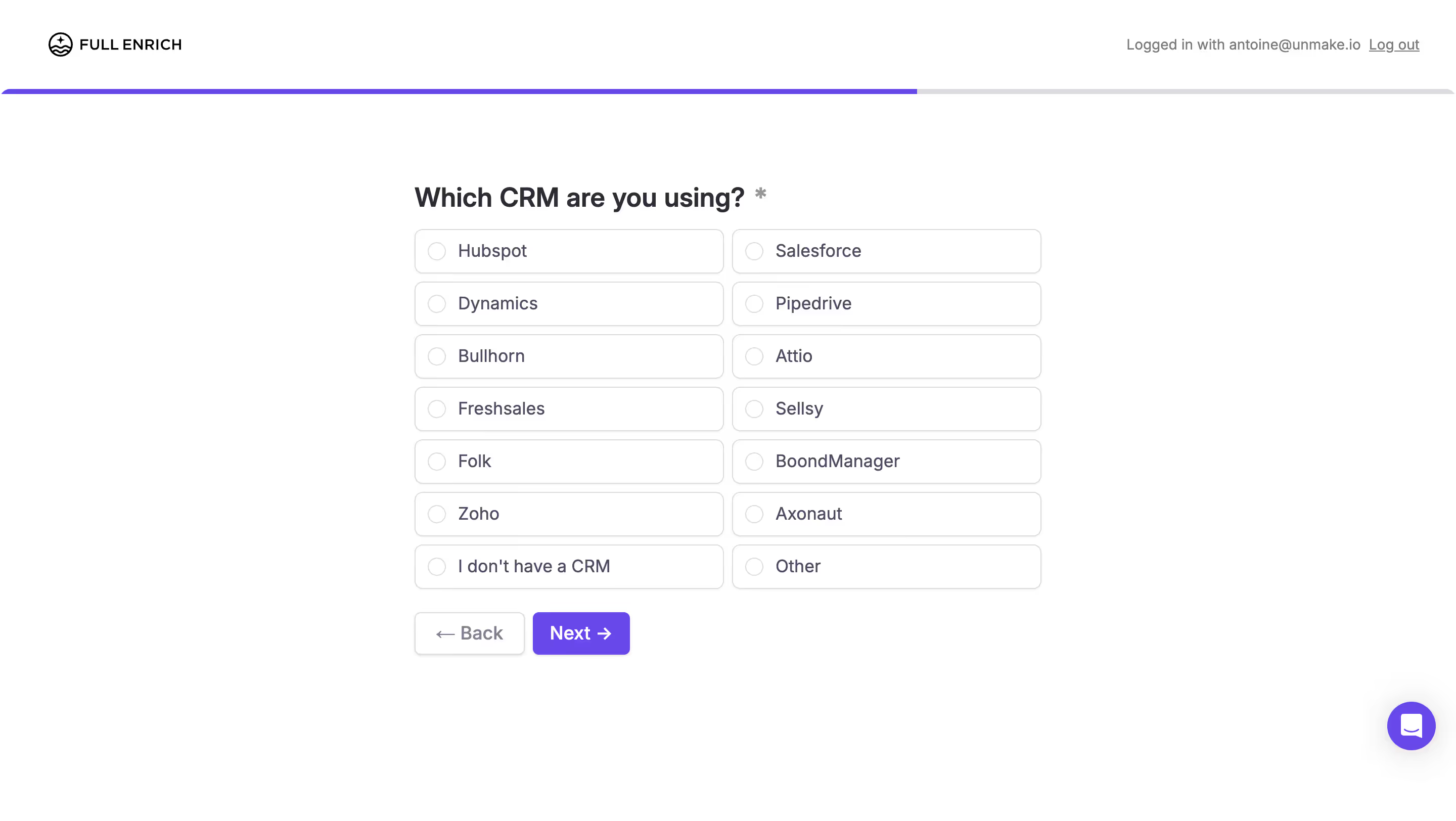
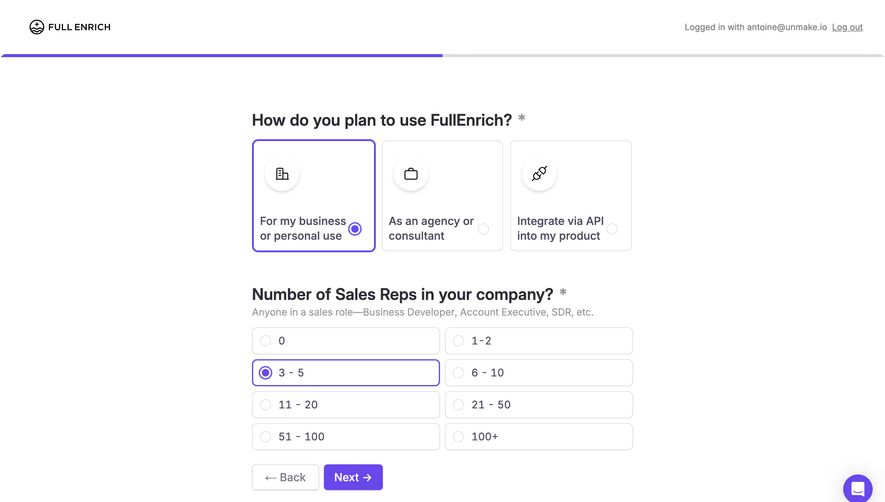
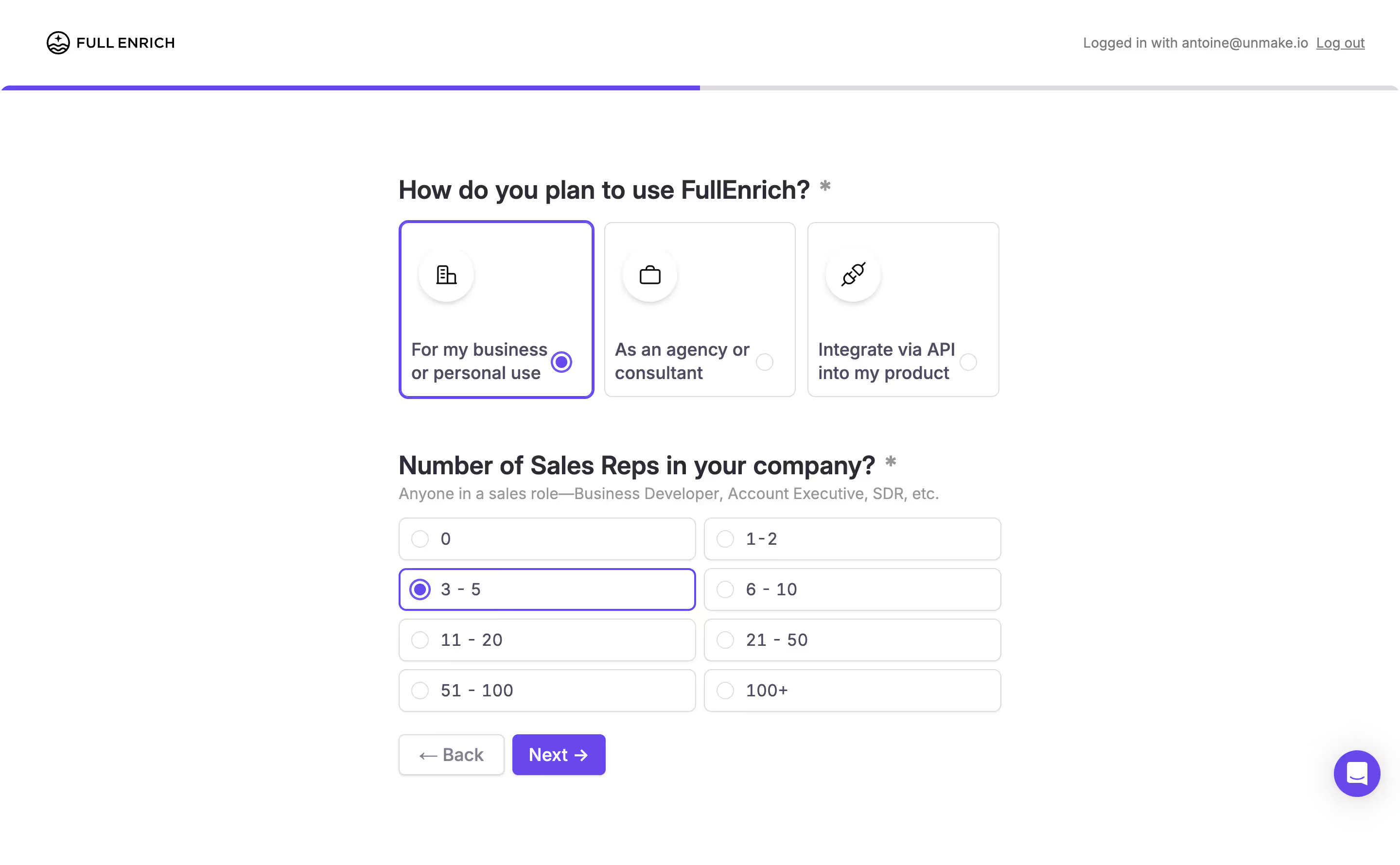
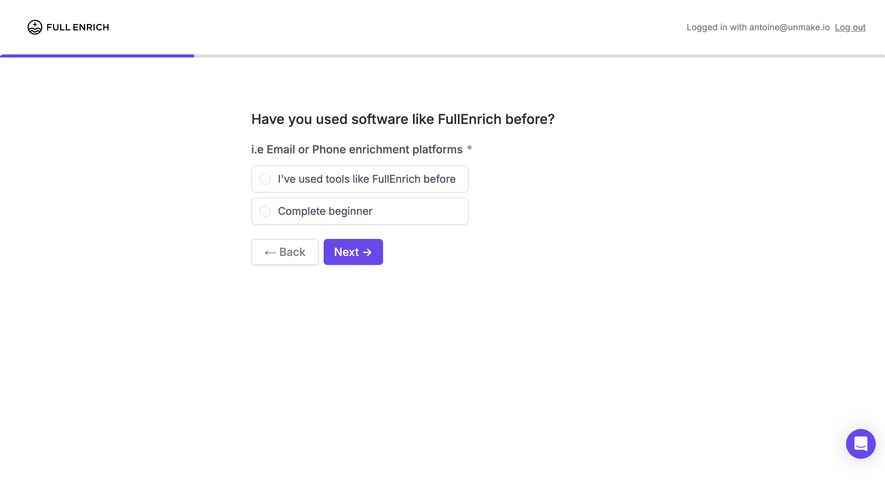
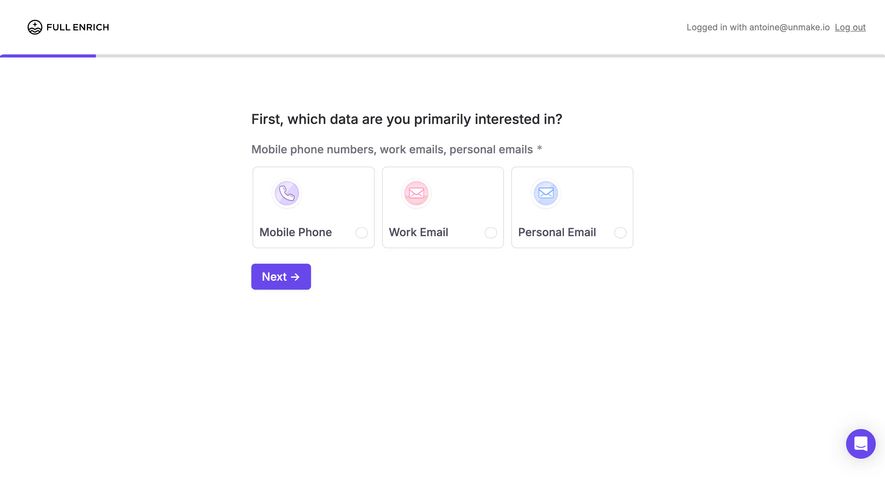
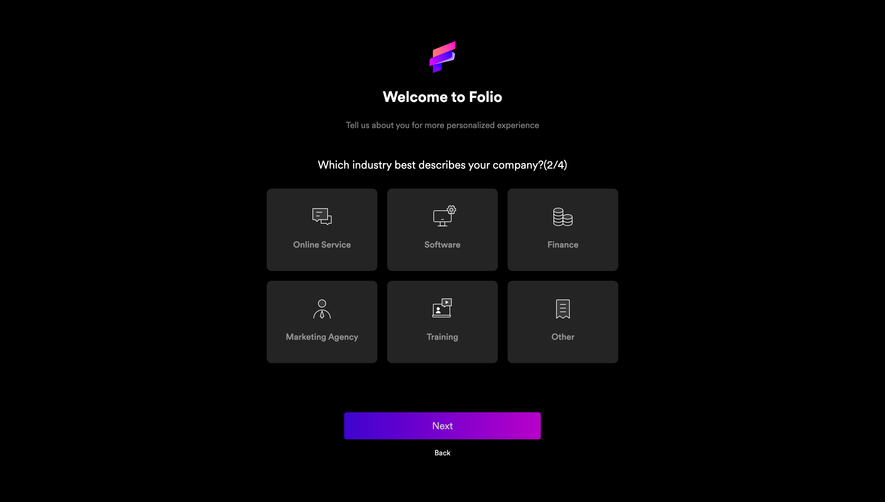
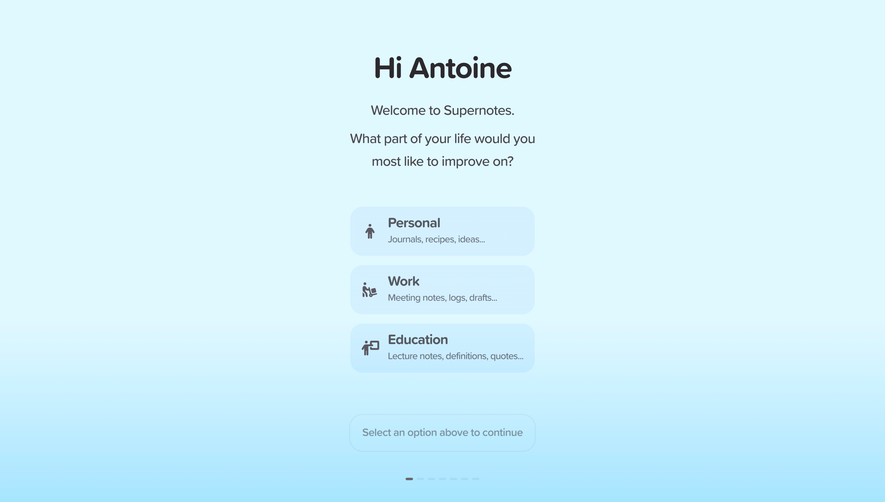
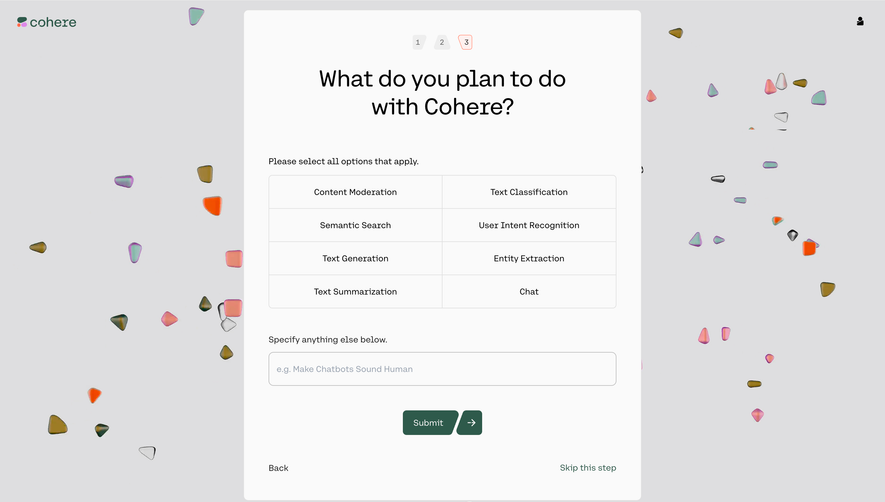
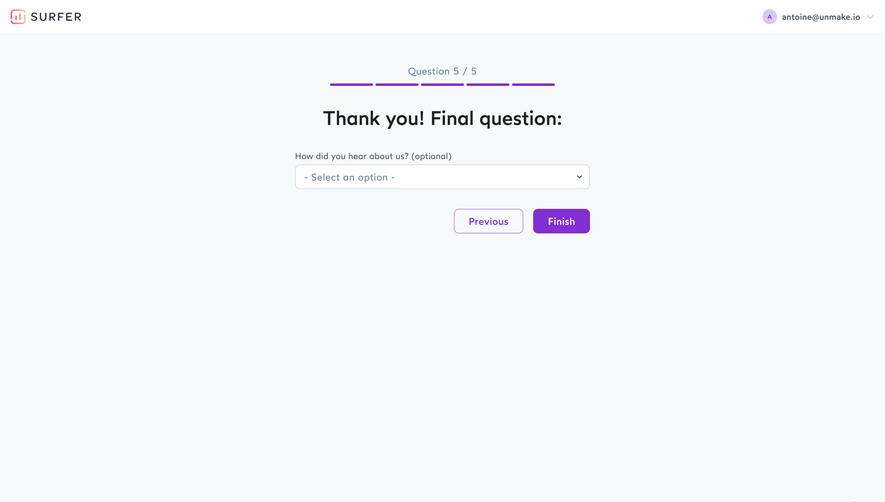
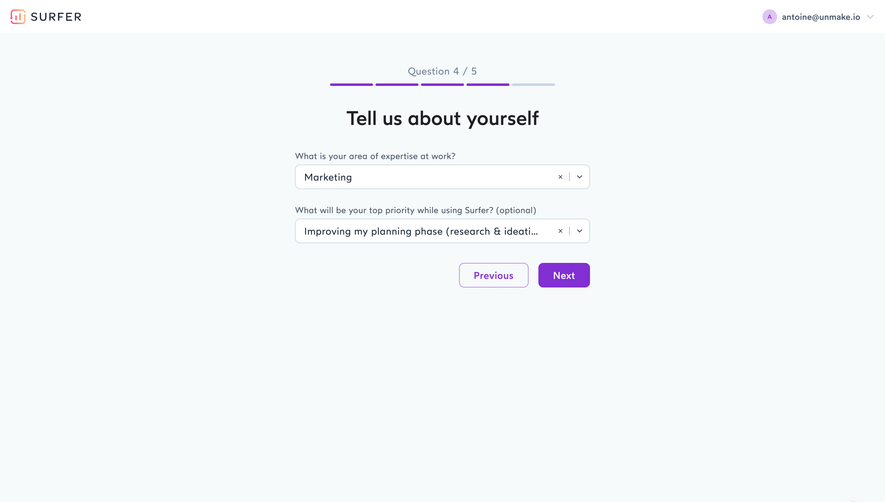
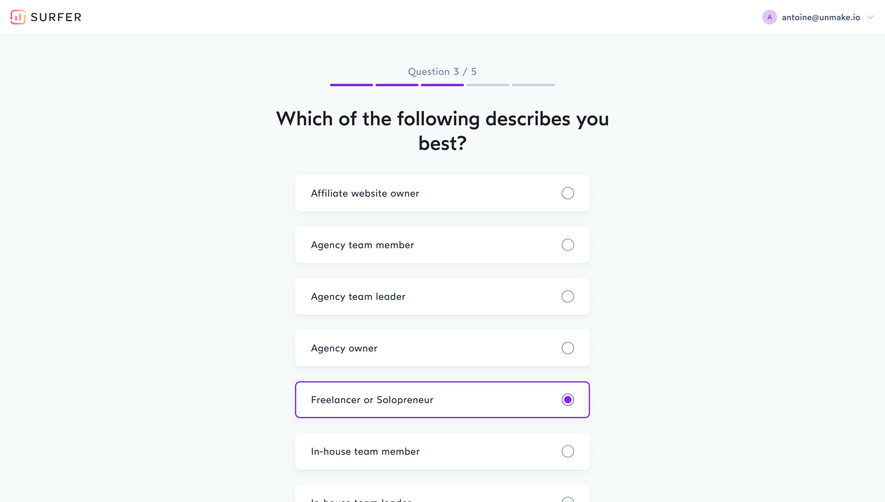
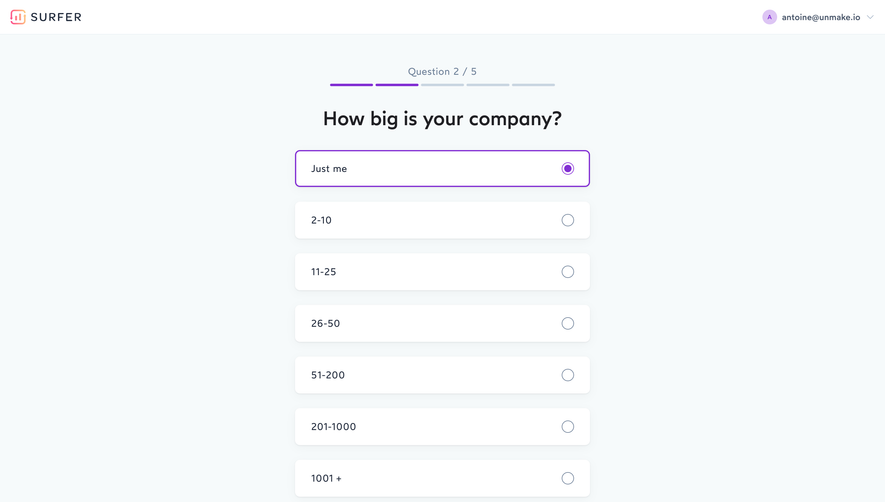
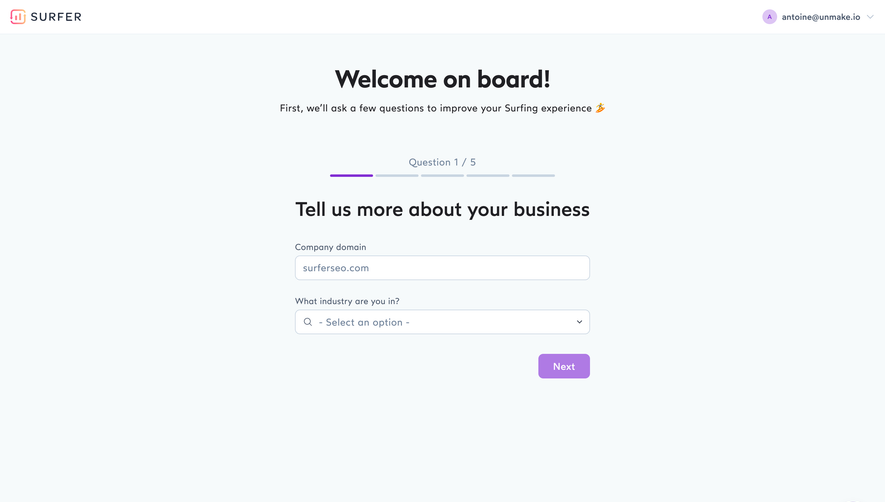
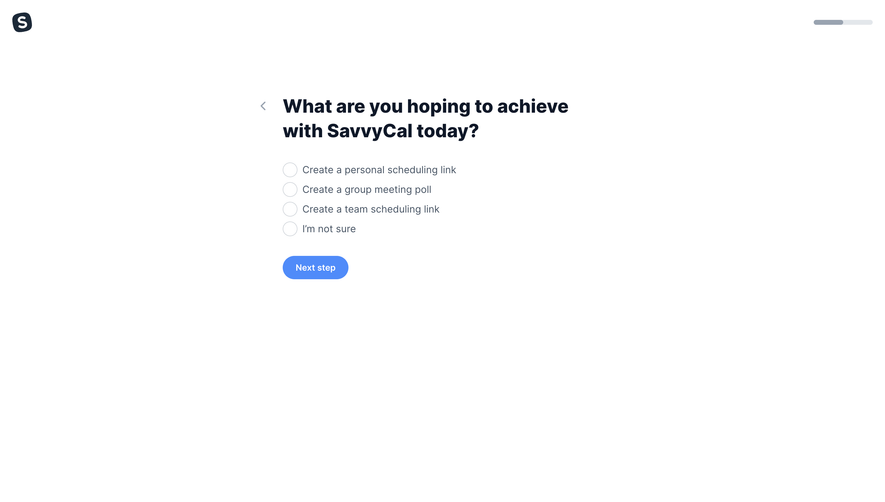
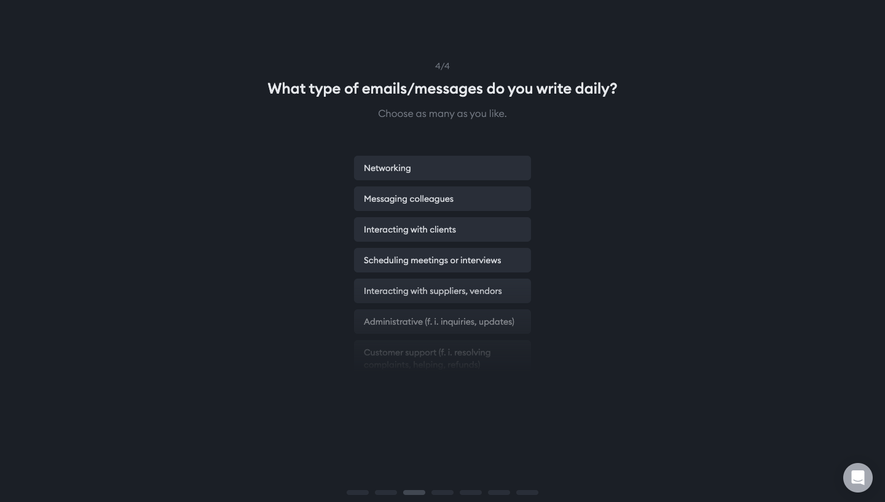
Discovery questions help a SaaS product understand why someone is signing up and what experience would be useful next. They may ask about a role, team size, business context, intended use, or acquisition source. Their value depends on what the product does with the answer. A questionnaire that delays access without changing anything meaningful is a weak introduction to the service.
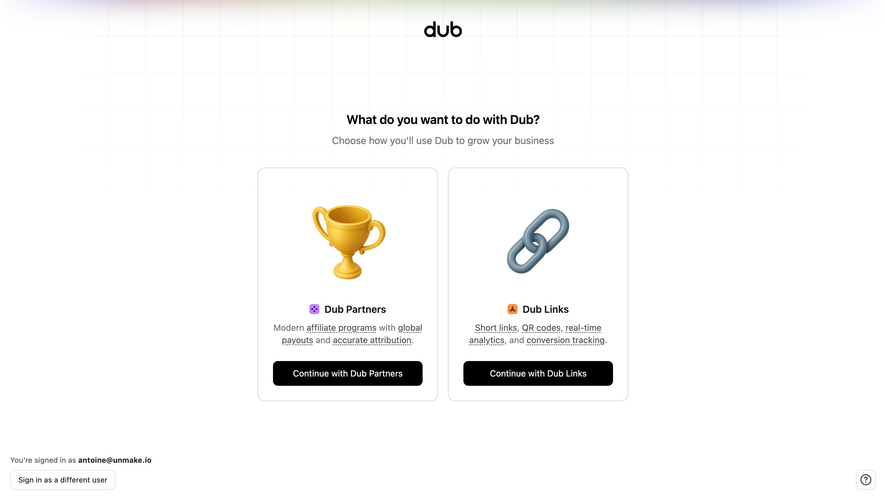
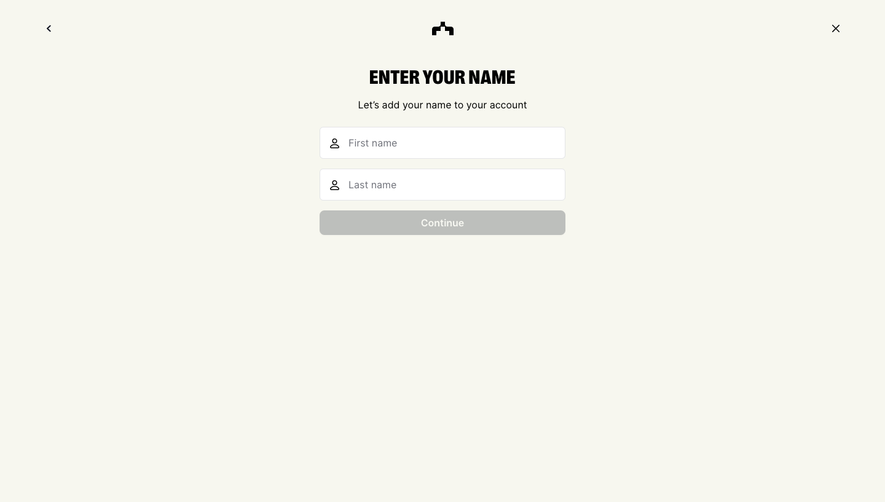
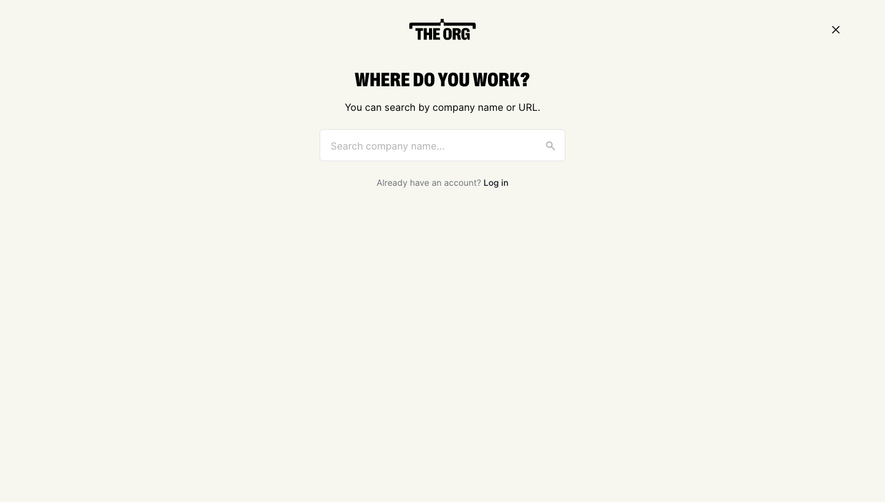
This category covers questions inside a signup or onboarding journey, rather than an entire account-configuration flow. The SaaSFrame examples show that the boundary is contextual: a company question can support personalization, while a website or share-count input may be necessary to configure the product itself. Treat the captures as design references, not evidence of conversion impact.
Begin with a specific decision the answer will support. A role question might select a relevant starter template. A team-size question might change the collaboration guidance. An acquisition-source question might improve reporting but have no effect on the user experience.
Those purposes deserve different placement and explanations. Do not describe an analytics question as personalization unless the product actually adapts. When the answer only helps your team, consider making the question optional or asking after the user has reached a useful point.
Write down the action associated with every possible answer. If the answers lead to the same experience, the question may not belong in the required first-session path. This simple exercise also reveals whether a broad option hides several distinct needs.
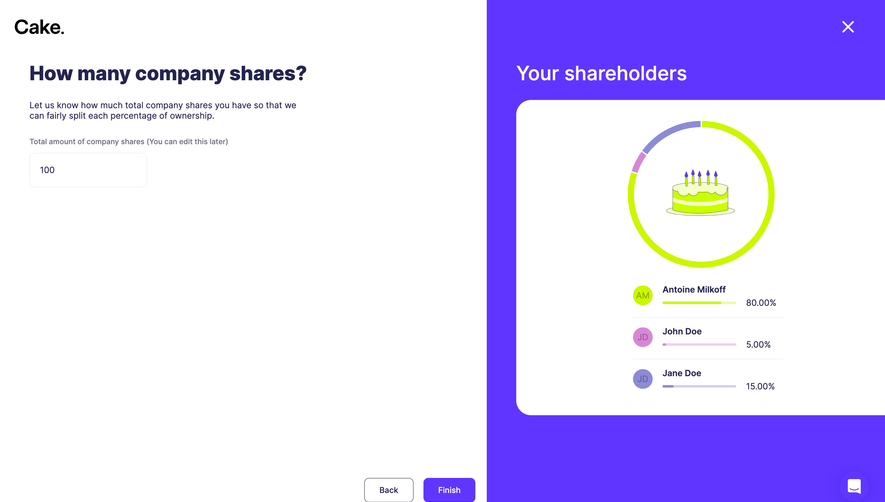
Some questions establish information the product needs to operate. Others help the company understand its audience. A total-share count in an equity product has a different purpose from asking how a visitor heard about the service.
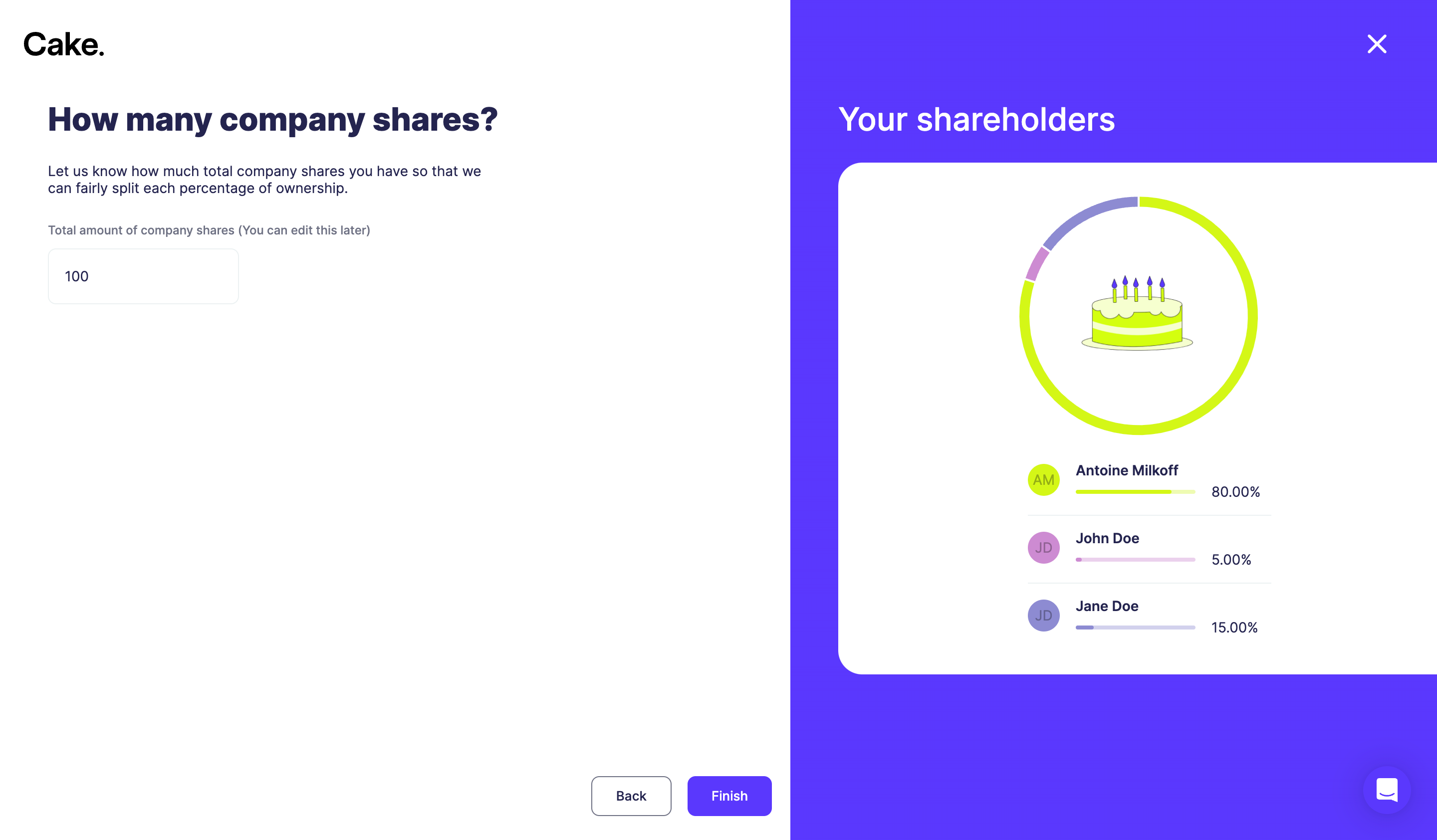
The Cake Equity capture illustrates that distinction. It asks for the total company shares and explains their relationship to ownership percentages. That is a configuration dependency, even though it appears within an introductory journey.
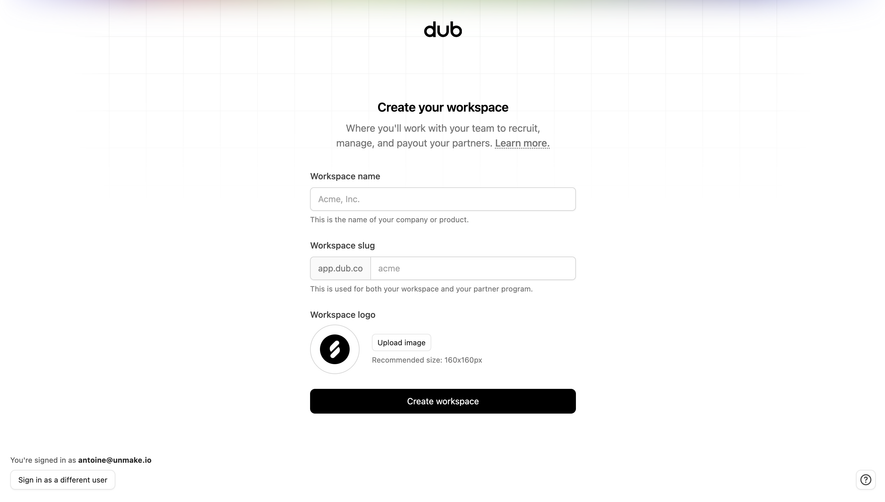
Keep the taxonomy of your own flow equally clear. A discovery step should not become a catch-all page for every unanswered setup field. Use the account setup guide for inputs that establish identity, workspace state, or a necessary working object.

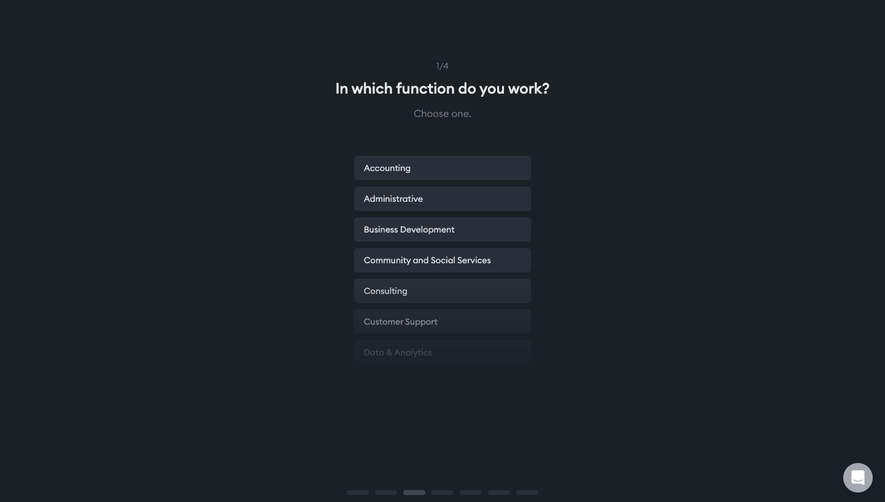
The Mixpanel capture asks what kind of work the user does and presents options including product, engineering, data, design, marketing, and other functions. Supporting text connects the request to personalizing the experience.
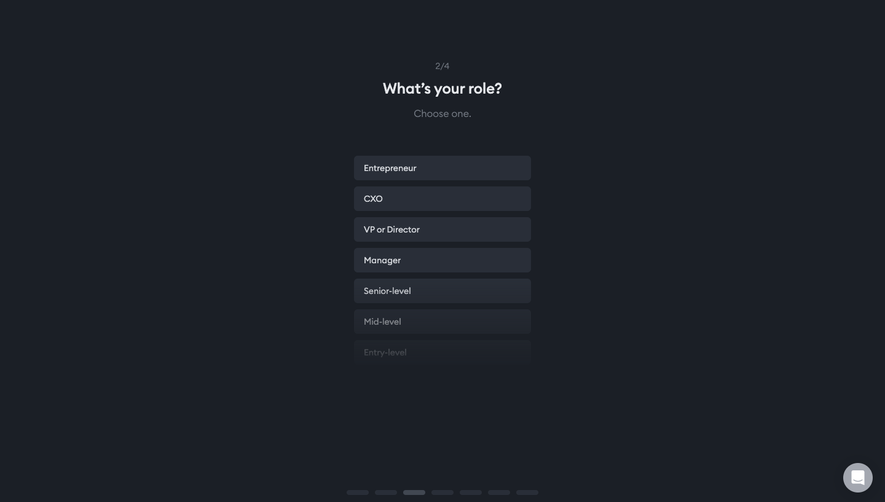
Role-based choices can reduce typing and make a broad question easier to answer. They also risk forcing people with hybrid responsibilities into a poor fit. An “Other” route, the ability to change the answer, or a task-based alternative can help when job titles do not describe the intended audience well.
Do not assume that a role determines expertise. A product manager may be an experienced analyst, and an engineer may be exploring the product for the first time. Use the answer as one piece of context rather than a permanent restriction on what the person can access.
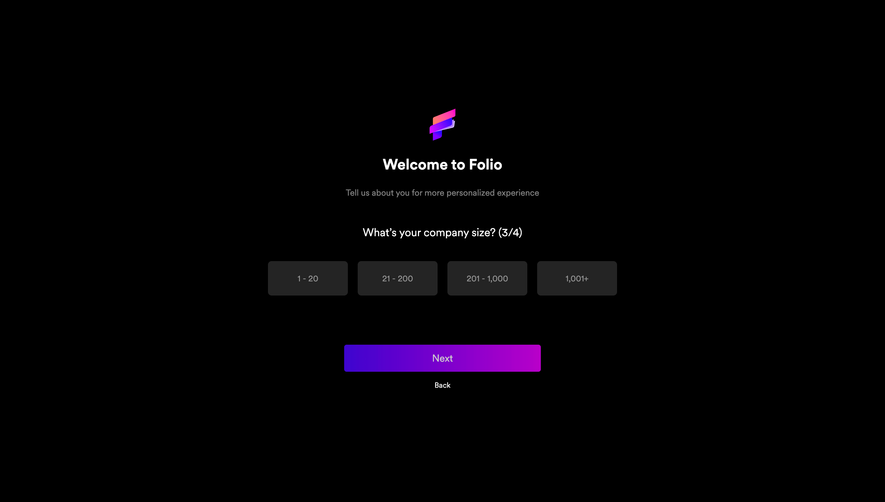
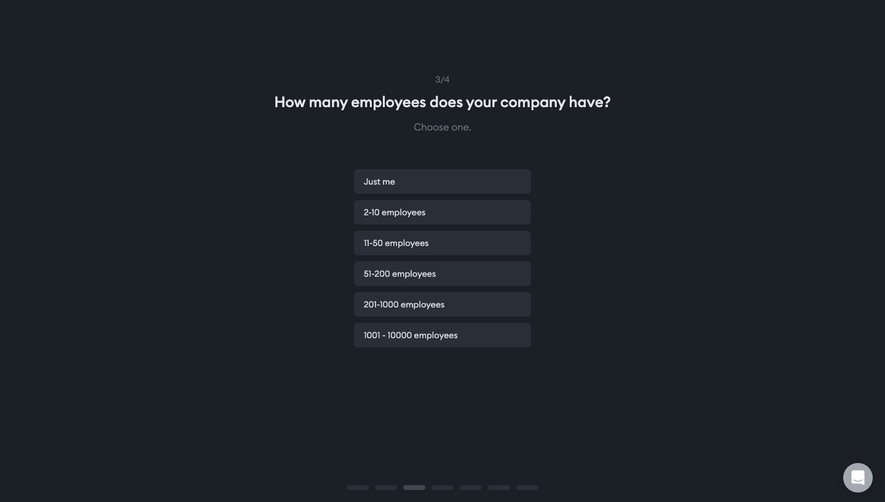
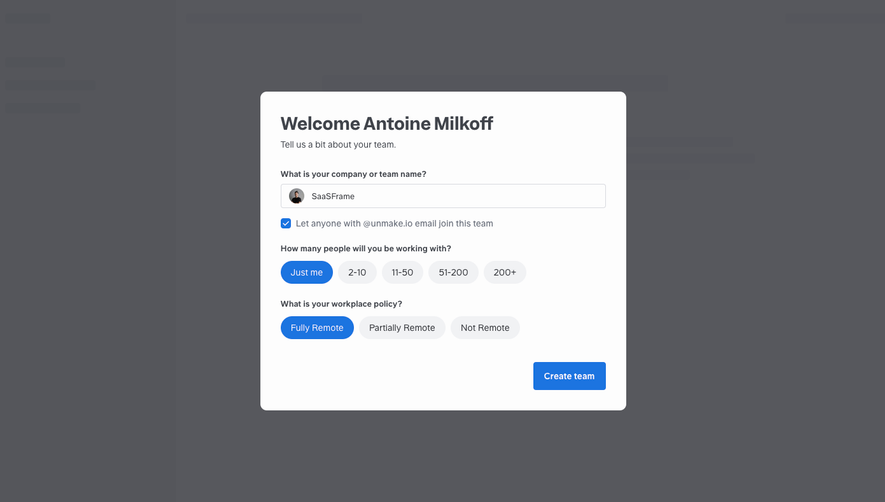
A company-size question can refer to the whole company, a department, or the number of people using a particular technology. These values are not interchangeable. Label the scope rather than expecting users to infer it.
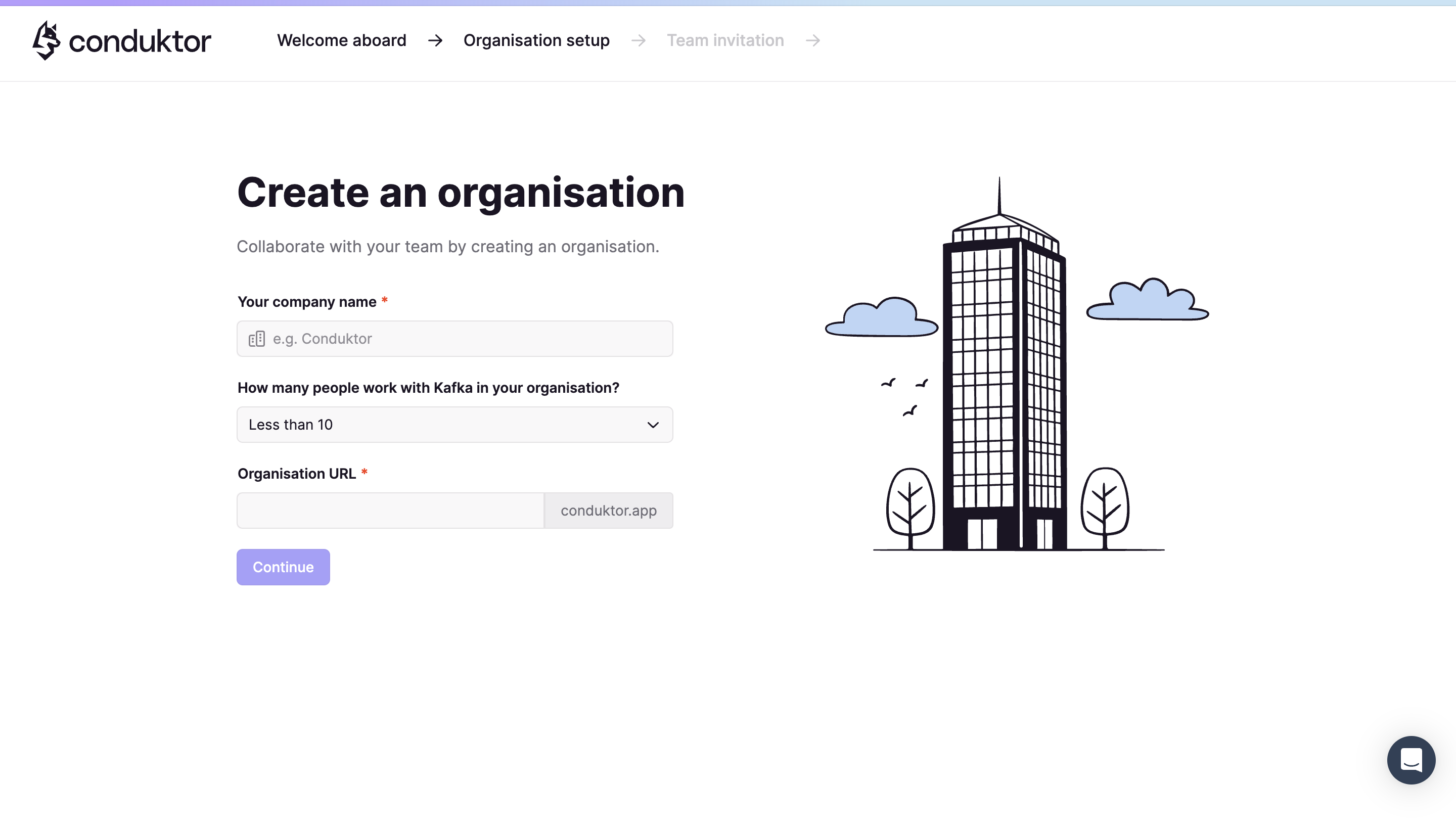
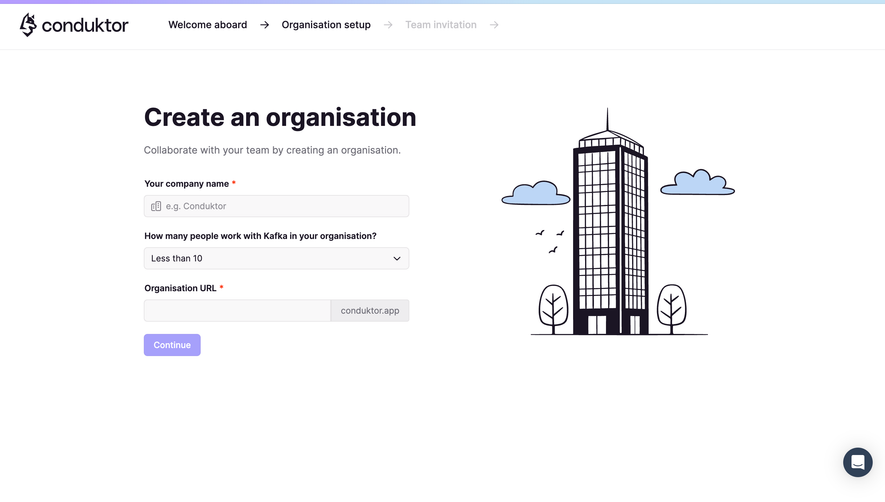
The Conduktor capture asks how many people work with Kafka in the organization. It places that scoped question beside the company name and organization URL in a create-organization step. The wording connects team size to the product domain instead of asking for a generic employee count.
When adapting this approach, keep the subject consistent throughout the page. A person creating a client workspace needs to know whether the answer concerns their agency or the client's technical team. A short contextual phrase can prevent much larger configuration errors later.
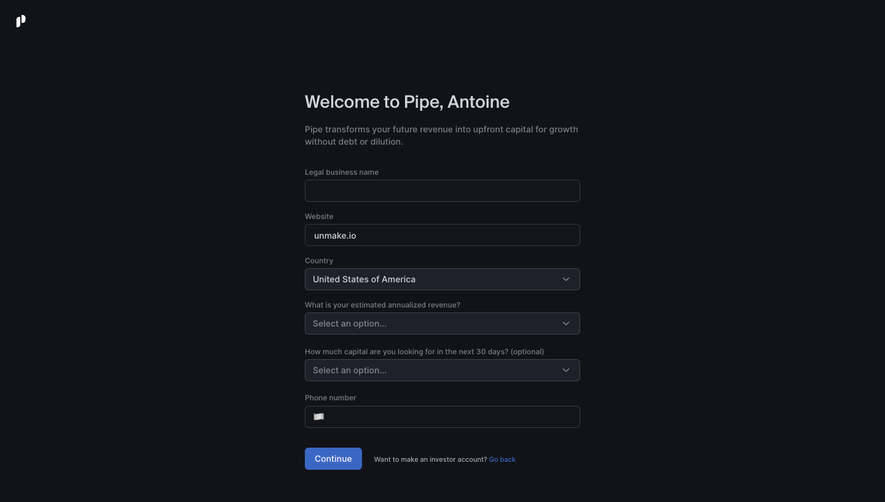
A coherent page can contain several related inputs. A company profile may reasonably group company name, website, size, and industry. Mixing these with marketing attribution and detailed usage preferences makes the page harder to understand.
The Sellx capture presents company details together and places a continue action beneath them. The surrounding product imagery and testimonial provide context, but the core request remains a company-information form.
If you use a similar structure, identify which fields are necessary and why. A decorative preview does not explain the purpose of an industry selection. Where the answer changes a default or recommendation, state that effect in direct language.
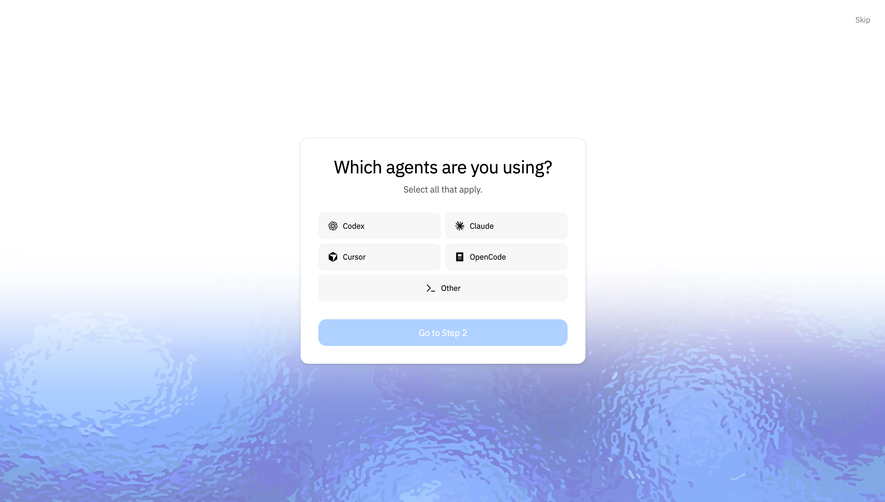
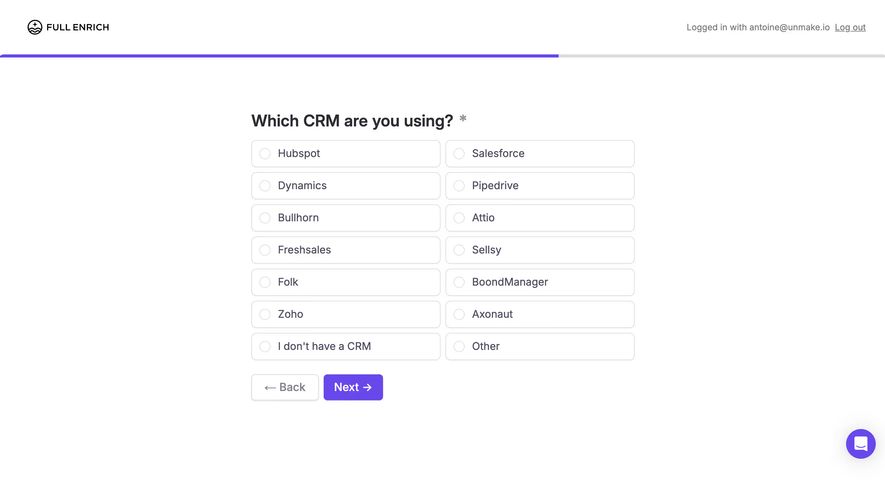
Single selection works when one answer is needed for the next decision. Multiple selection works when several intended uses can coexist. The control should make the selection rule apparent before the person starts answering.
Avoid a multiple-choice interface that silently accepts only one item. Conversely, do not allow several answers when the underlying system cannot use them coherently. If a primary use case matters, ask for that priority explicitly rather than inferring it from selection order.
Keep choices concise and parallel. Mixing roles, outcomes, and features in one set makes comparison difficult. A question about intended work should offer types of work; a question about discovery source should offer sources.
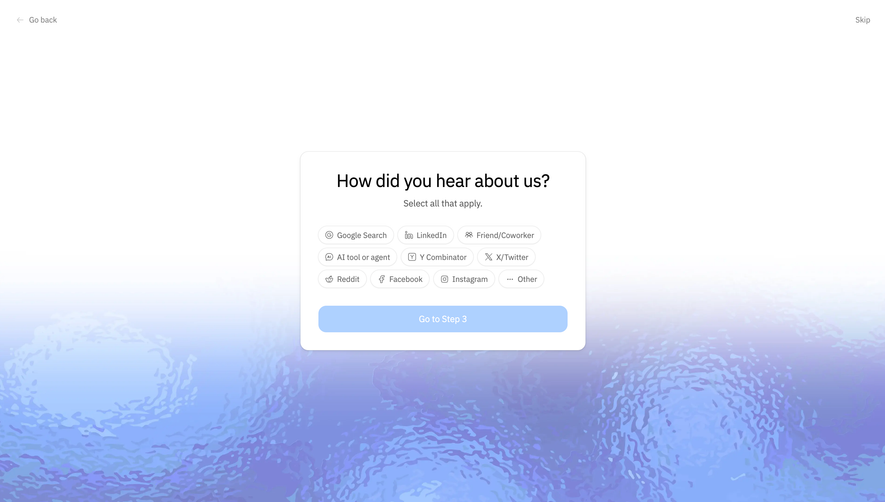
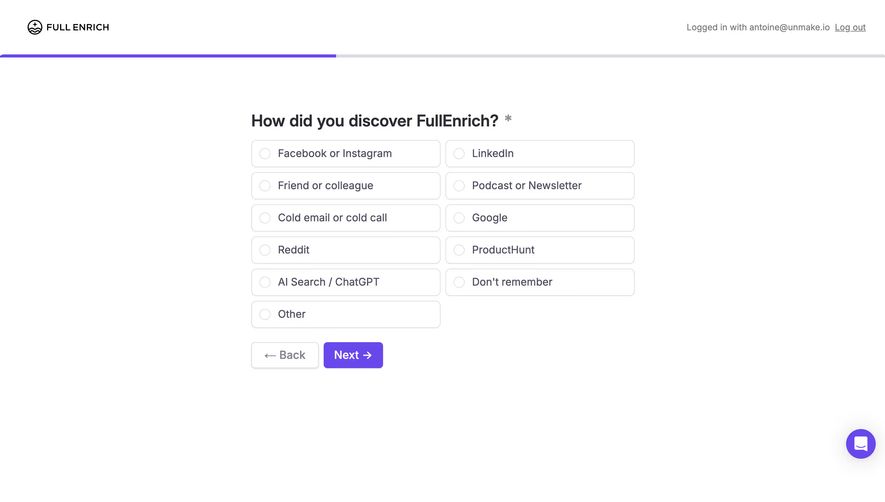
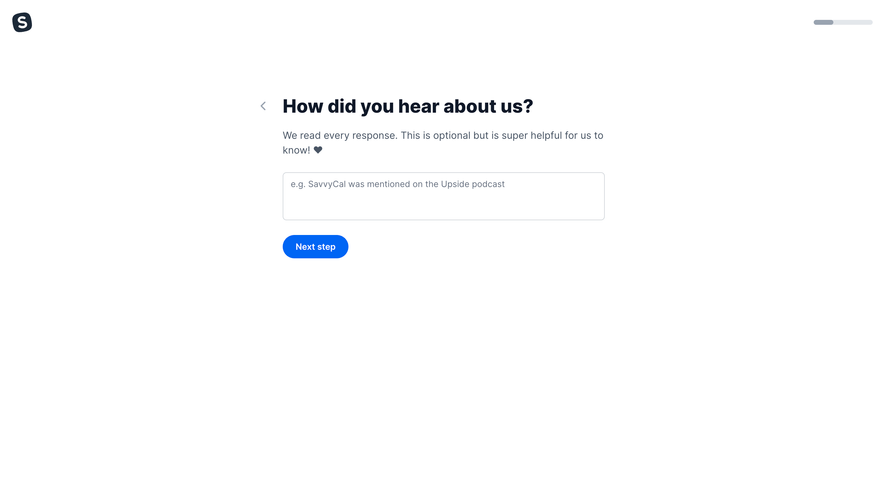
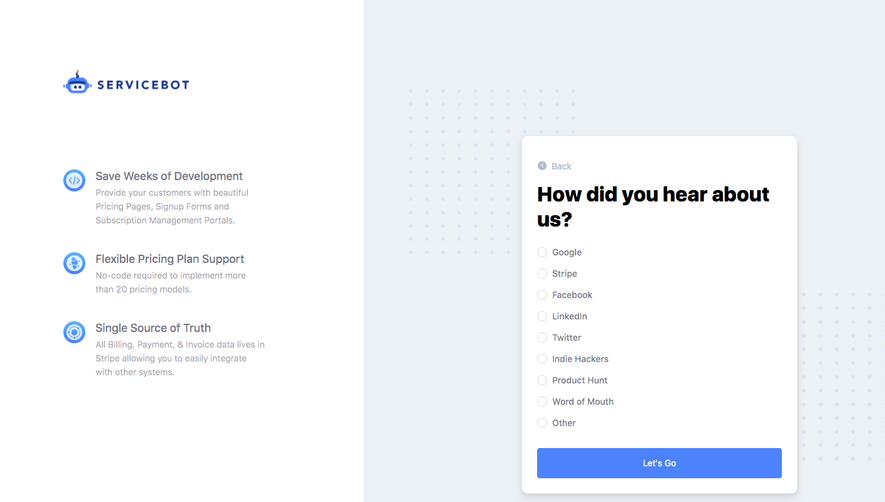
“How did you hear about us?” can capture information that tracking misses, including recommendations and offline exposure. It can also produce uncertain answers when a visitor encountered the brand several times.
Allow an appropriate uncertainty route and avoid forcing a fabricated source. If the distinction between first discovery and the most recent visit matters, ask for the actual distinction. A vague attribution question cannot reliably support a precise interpretation later.
Keep free text purposeful. It can reveal unlisted sources, but a required large text box increases effort. Use structured choices for common answers and a short additional input where extra detail is useful.
If the product can work without an answer, provide a usable route forward. Label optional questions or make skipping discoverable. A small skip link should not be so visually weak that people believe every answer is mandatory.
When the answer is required, explain the dependency. “Choose a target market so we can configure the first report” is more useful than a generic message that the field is missing. The explanation should reflect actual behavior.
Do not punish deferral by repeating the same interruptive question at every visit. Decide when it becomes relevant again and remember the user's previous choice. A dismissed optional survey should not behave like an unresolved account error.
Use persistent labels and controls with understandable names. Card-style choices still need keyboard access, visible focus, and a recognizable selected state. Color alone should not communicate whether an answer is active.
At small widths, keep the question and its choices together. Long labels should wrap without breaking the selection target. Avoid making the primary action jump unpredictably as choices expand.
Provide a place to revise answers when they influence the product experience. A user may change roles, teams, or intended use. Early discovery information should not become an invisible permanent rule.
Measure whether the question improves the experience it was intended to support. For personalization, observe whether people use the recommended starting route. For attribution, examine answer quality and how often people need an unlisted option.
Watch completion and abandonment together with comprehension. A high response rate can still mean that people picked the first available answer to continue. Interview users about what they thought the question would change.
Test people with multiple roles, small teams, agencies, invited-member accounts, and uncertain discovery sources. These cases reveal whether the choices reflect the audience or only the assumptions of the product team.
Only when the answer is needed for a useful initial experience. Questions that primarily support internal reporting are good candidates for optional collection or a later moment.
It depends on the purpose. It can help understand the audience, personalize guidance, or configure a real dependency. Place and explain it according to that purpose.
Include one when the listed answers cannot reasonably cover the audience. If many people choose it, revise the choices rather than treating their answers as exceptions forever.