Win back inactive users with targeted SaaS Retention and Re-engagement emails. From 'We Miss You' offers to personalized feature recommendations, see how to use behavioral triggers to bring users back into your product ecosystem.
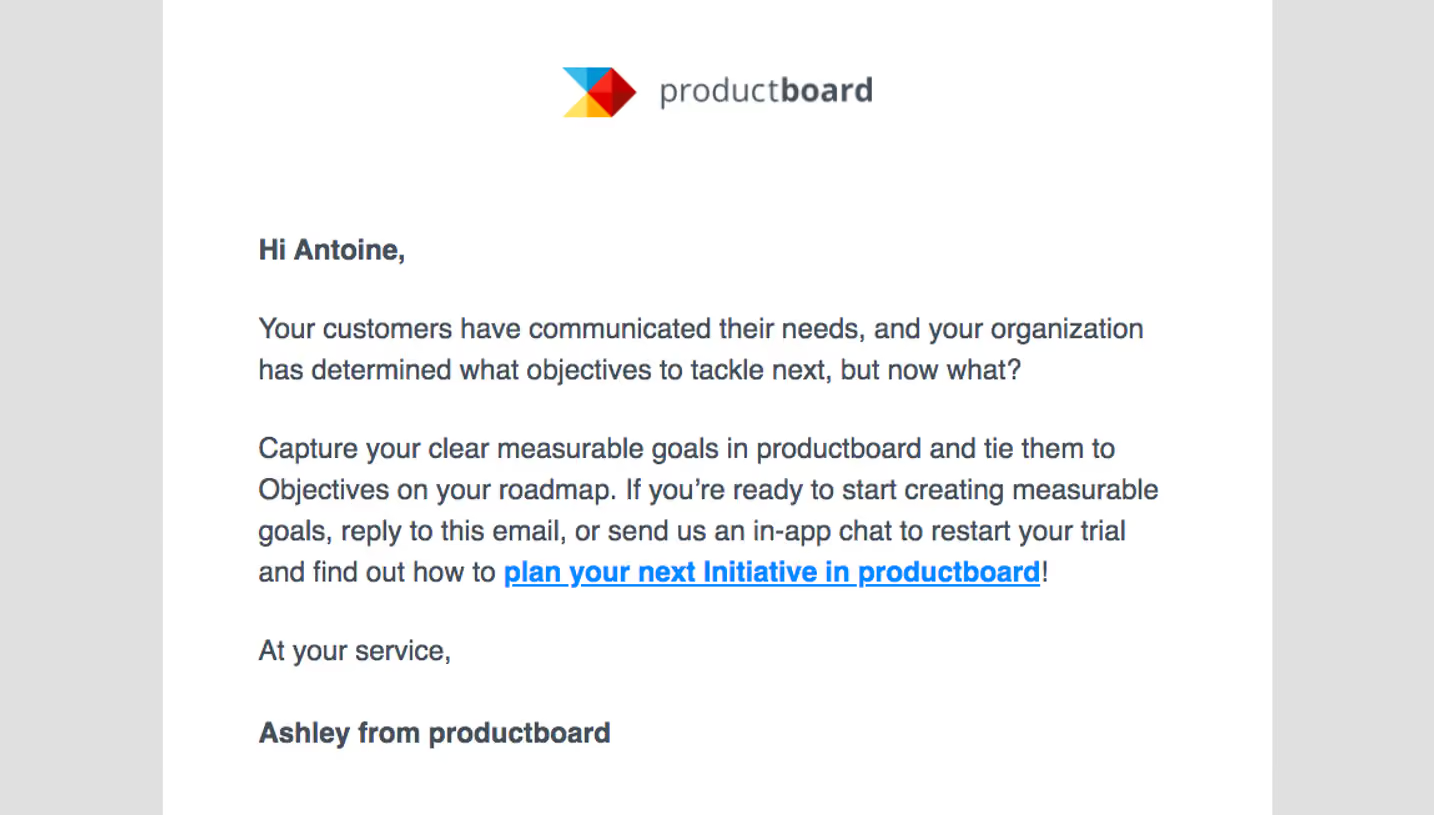
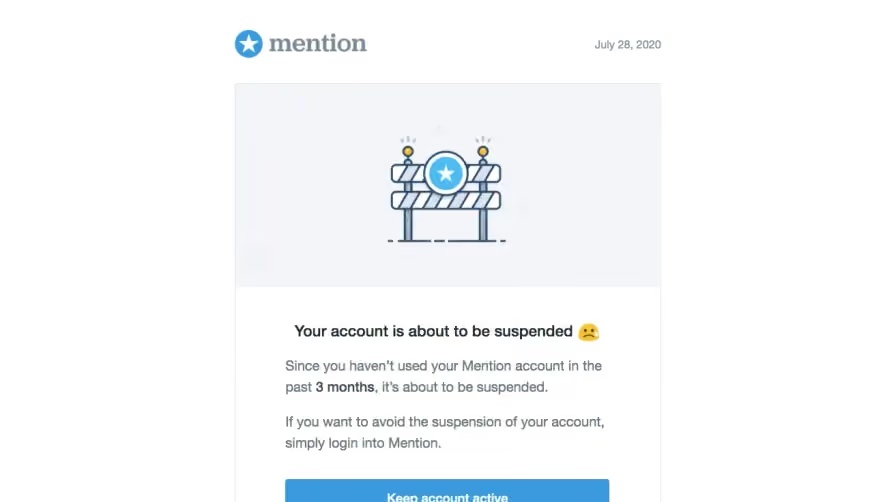
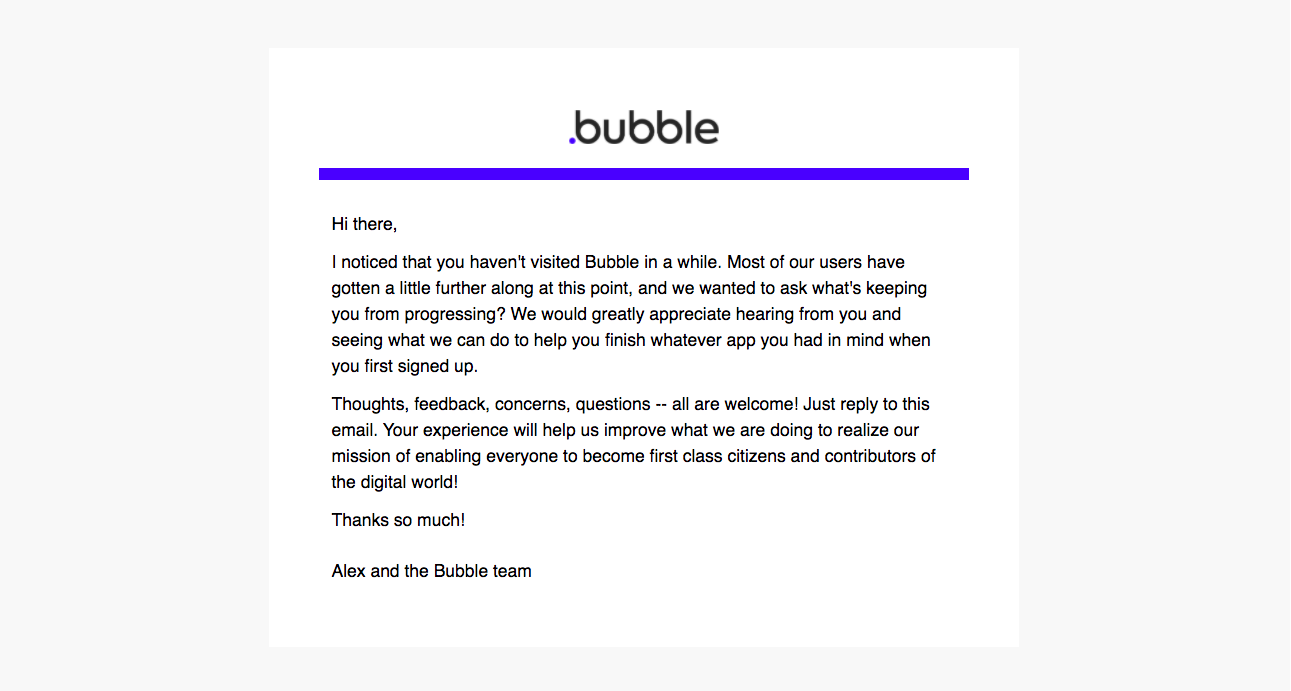
Browse 27 real SaaS Retention Email with modern UI patterns and conversion strategies.
We sell SaaSFrame licenses on Gumroad, a secured online selling platform for creators.
What about future updates and versions?
SaaSFrame gets updated all the time! Every new update and version will immediately be made available to all SaaSFrame users.
I didn't receive my licence key, what should I do?
The licence key required to create your SaaSFrame account is send by Gumroad once you made your purchase. If this email is blocked by your email client, send me an email at antoine[at]unmake[dot]io so I can resend the licence key.
Can you send me an invoice?
You can generate an invoice on Gumroad once you purchased SaaSFrame. You will find the link in the order confirmation email.
Can I get a refund?
If you're not satisfied, you can ask for a refund within 7 days. Just send me an email at antoine[at]unmake[dot]io
Retention Email Design Guide
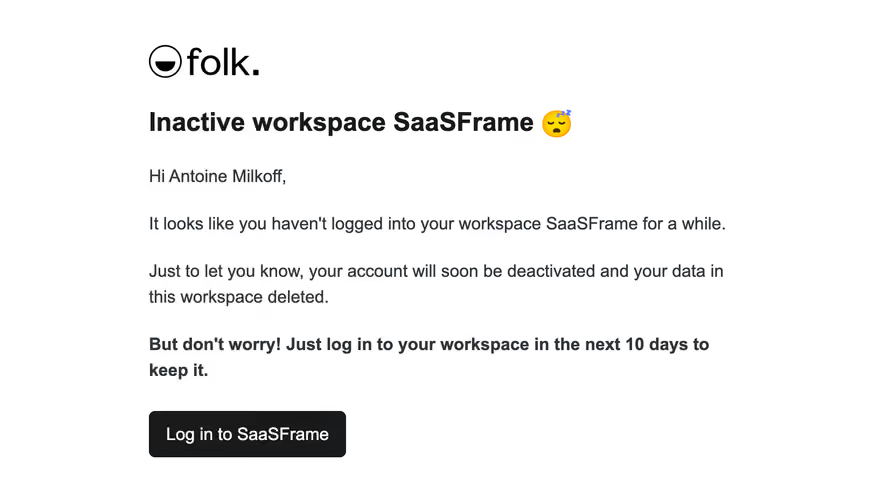
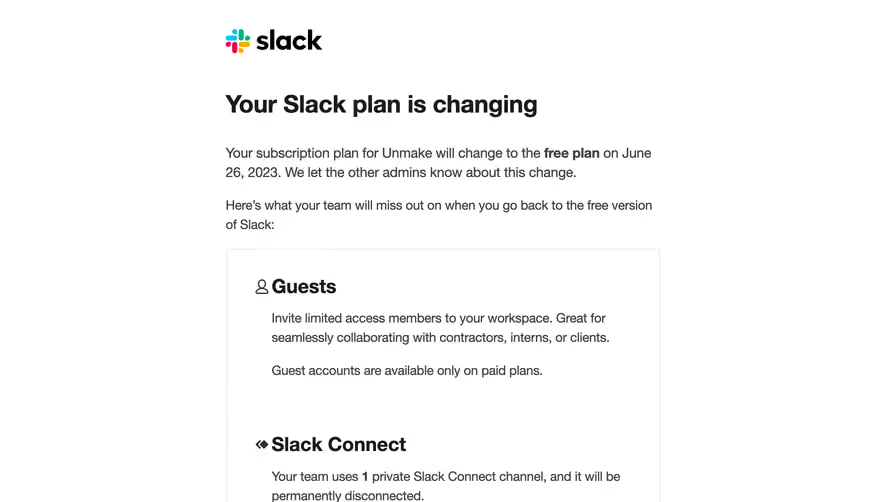
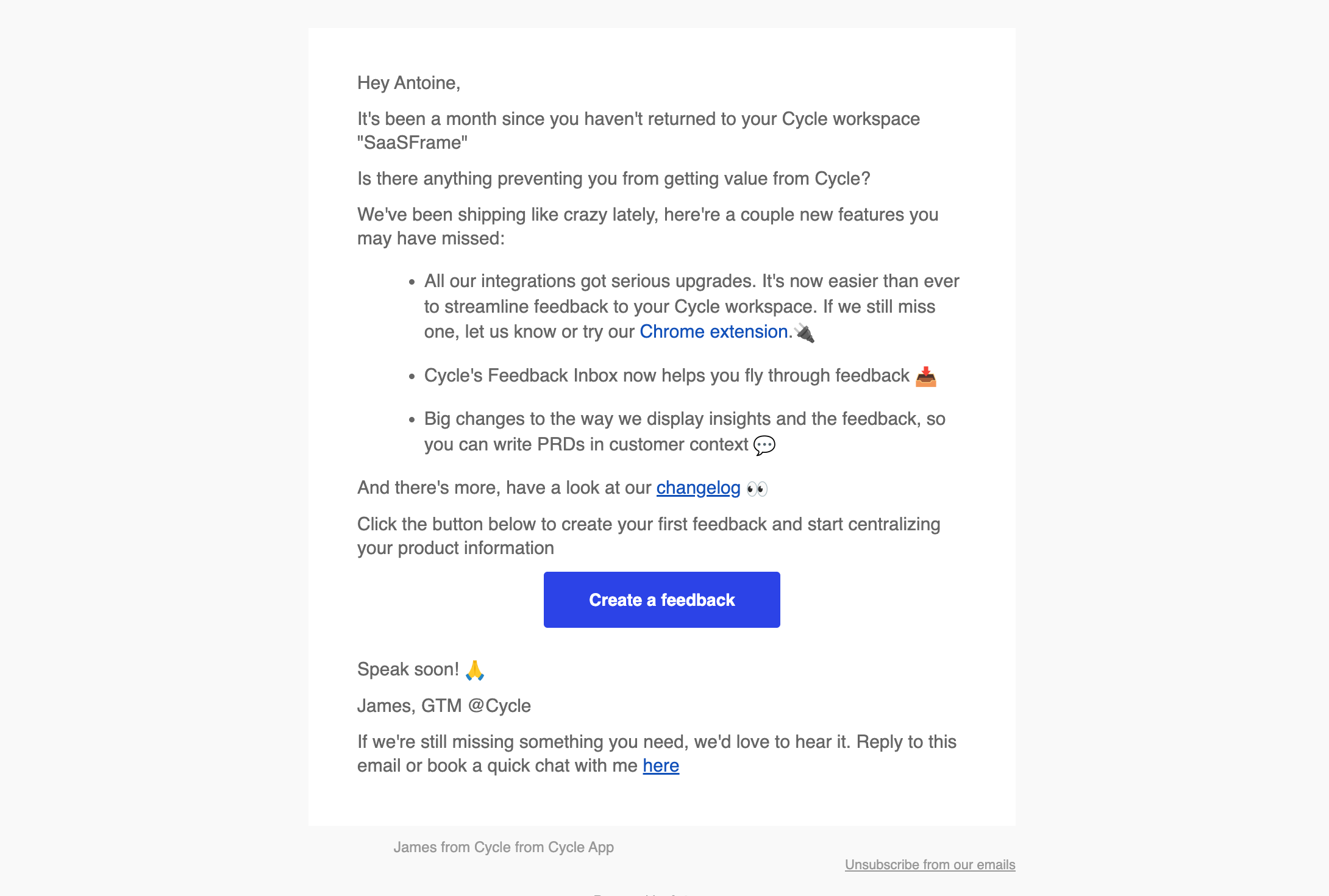
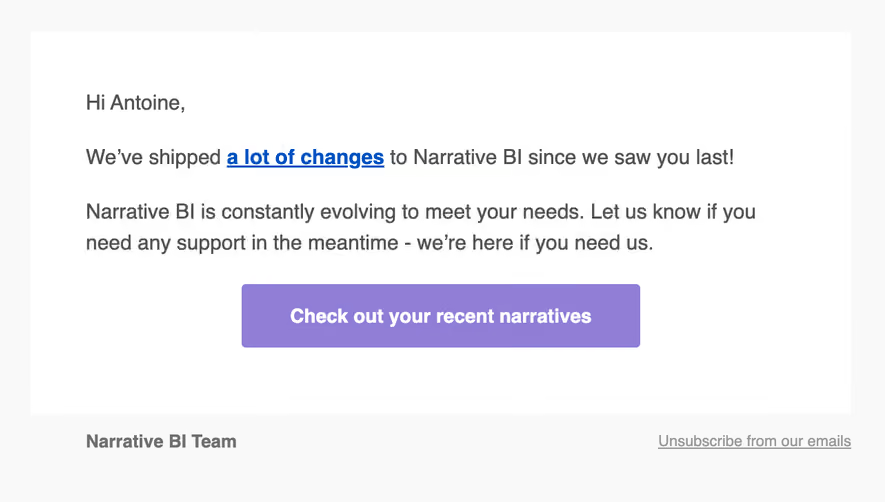
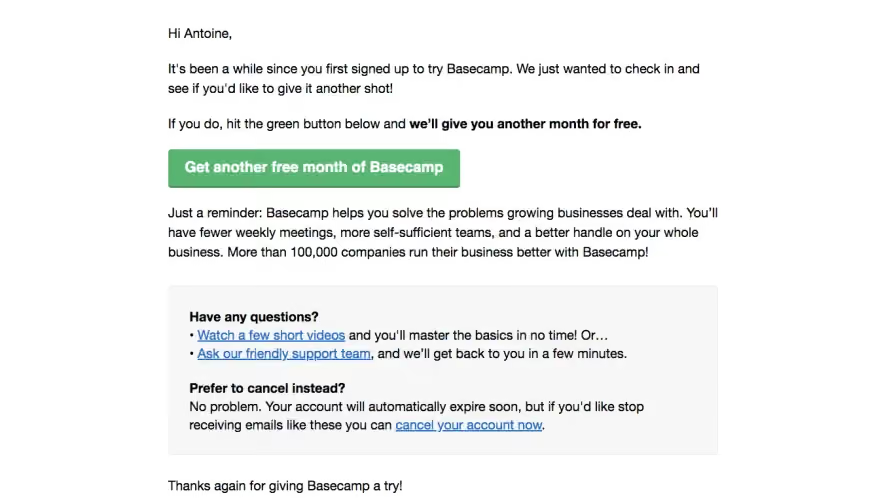
A SaaS retention email invites a user to return for a relevant reason or explains a consequential account state. Its design should distinguish optional re-engagement from an operational notice rather than treating every inactive user as the same campaign audience.
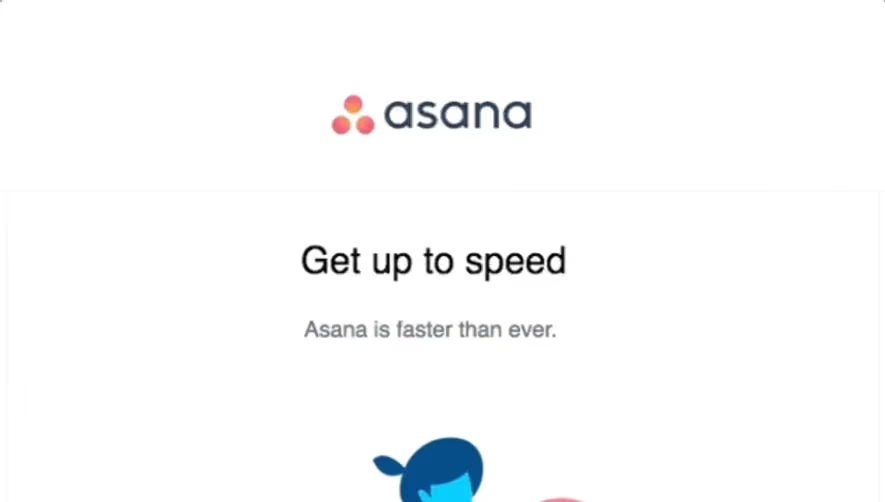
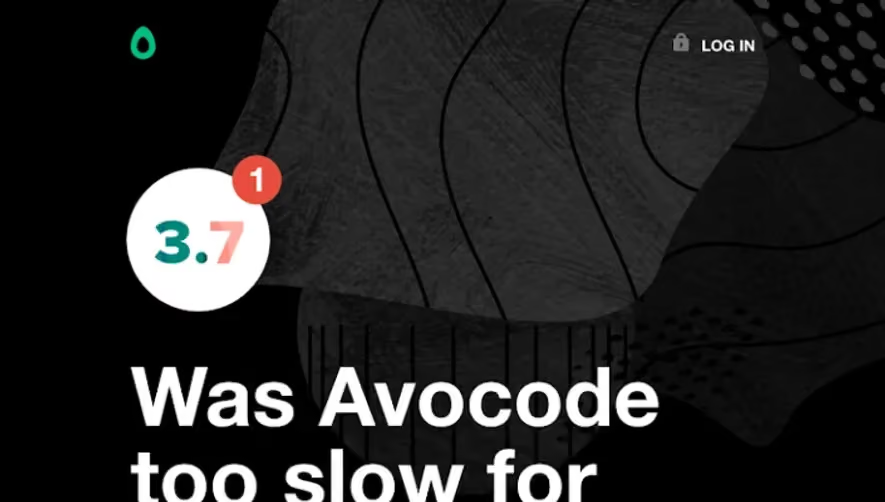
The Asana reference uses an improvement-oriented message and a try-now action for an inactive recipient. Its illustration supports the return invitation.
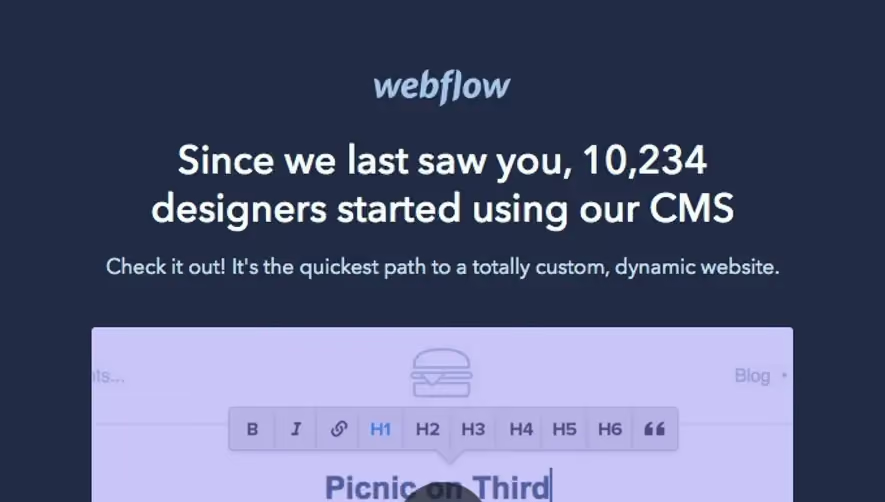
A changed capability can be a relevant reason to revisit the product. The captured performance claim is historical marketing content, not independently verified evidence or a current specification.
Avoid assuming inactivity means dissatisfaction. A user's work may be seasonal, completed, or dependent on another task.
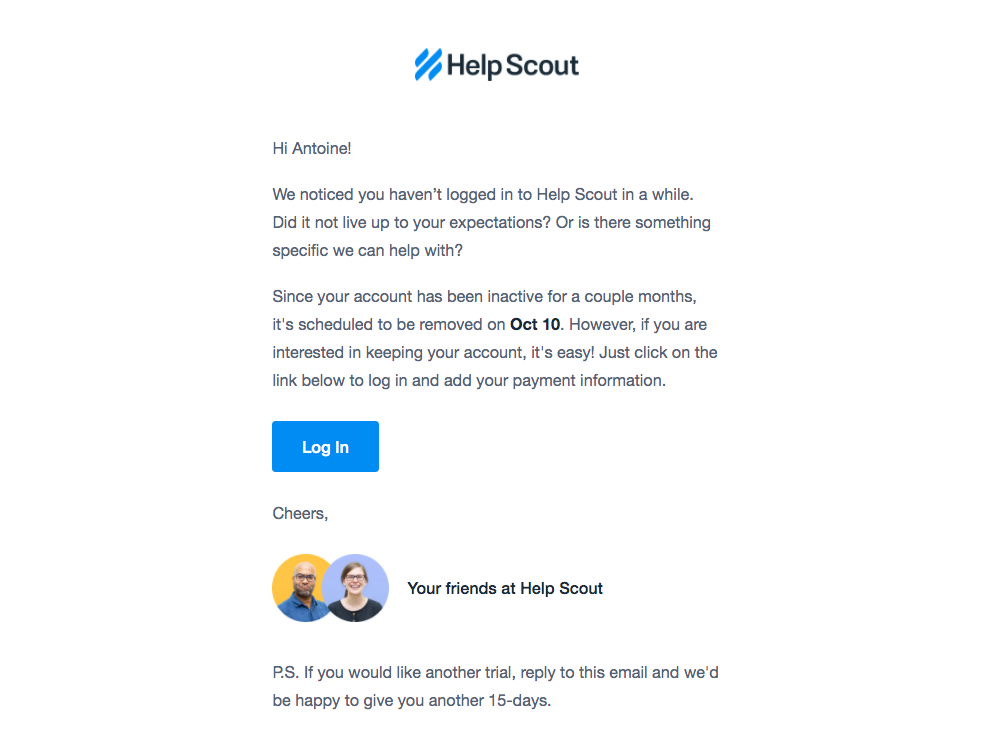
The Help Scout reference combines an inactivity message with a scheduled account-removal warning, a login route, assistance, and a trial-related option.
A consequential state requires accurate timing and a clear preservation or recovery route under the actual product rules. It should not be disguised as ordinary promotional urgency.
Do not copy another product's retention period or imply deletion when the account model does not establish that consequence.
Match the next step to the user's situation
Return to work, inspect a new capability, get help, and preserve account access are different actions. Label the actual destination.
Preserve relevant workspace or task context through authentication. A generic homepage may not help a user understand why they returned.
If access has already changed, show the actual state and available recovery rather than an obsolete invitation.
Offer assistance without inventing a relationship
A short help route can uncover a blocker, but it should reach a process able to respond. Do not imply an individual reviewed the account unless that occurred.
Avoid guilt or unsupported assumptions about the user's priorities. Explain relevant value and let the recipient decide.
Keep essential consequences and instructions in text, with a useful experience when images are blocked.
Update the sequence after a response
A returning user should not continue receiving the same inactive-account prompt. Change targeting when the product establishes new activity or another relevant state.
Review timing, recipient scope, destinations, and any account consequence with responsible owners.