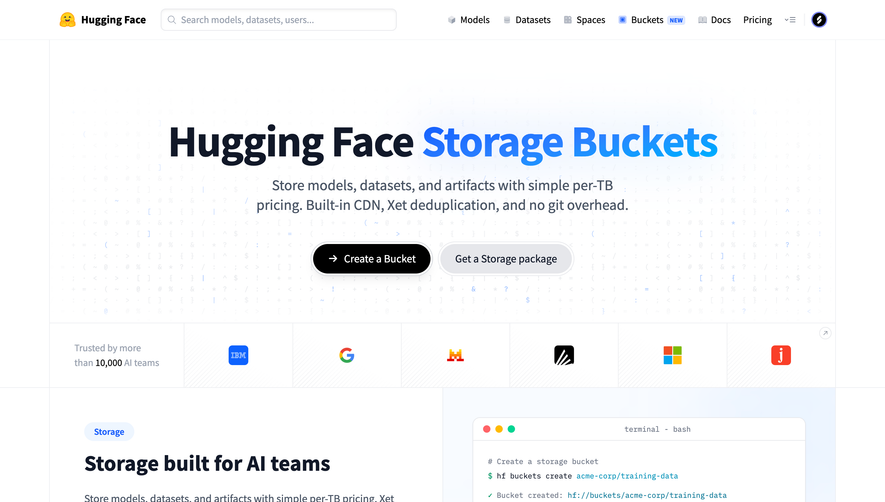





1. Header: The page opens with a header bar containing the GitHub logo on the left and a navigation menu on the right side. The navigation menu includes links to popular GitHub features, pricing, documentation, support, and a sign-in button. 2. Hero section: This section highlights the main feature of GitHub, i.e., building better software by managing code collaboratively. The hero section also includes a sign-up button for new users. 3. Features section: This section lists the popular features of GitHub such as code review, project management, team collaboration, and code hosting. Each feature description includes an icon, a brief description, and a read-more link for detailed information. 4. Customers section: This section contains quotes from GitHub customers, including top tech companies such as Airbnb, Google, and Microsoft. Each quote highlights the benefits of using GitHub for team collaboration and efficient workflows. 5. Pricing plans section: This section displays the pricing plans for GitHub, including a free plan and two paid plans. Each plan includes the pricing details and features available under it. 6. Call-to-action: A prominent sign-up button appears towards the end of the page, encouraging users to create a GitHub account and start using the platform. 7. Footer: The footer includes links to company information, FAQs, social media profiles, and a feedback form. It also showcases the GitHub logo and links to developers, jobs, and services. Overall, the page has a clean and straightforward structure that focuses on presenting the features and benefits of GitHub to potential users, encouraging sign-ups and engagement with the platform.


GitHub Features Page

GitHub
Where the world builds software
Designed by
No items found.
Category
Patterns
No items found.
Added on
August 12, 2021