
Thank you! Your submission has been received!
Oops! Something went wrong while submitting the form.
Get SaaSFrame Pro
Monthly
$18
Quarterly
$48
Yearly
$180
Upgrade to access this feature
Browse all screens & flows
Filter and search screens & flows
Access Figma files
Access mobile versions
Bookmark screens & flows
Join now
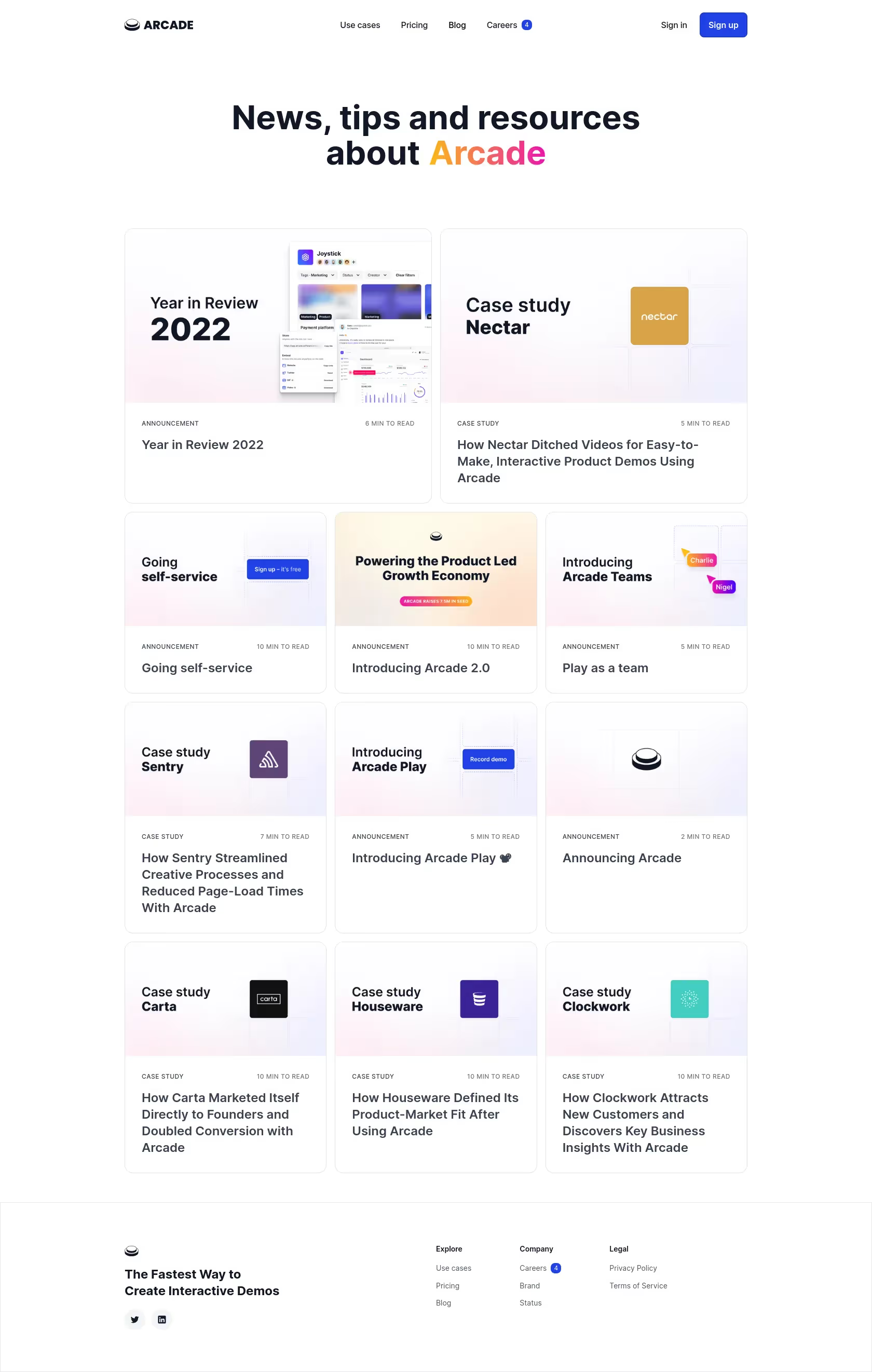

Arcade Blog Feed

Arcade
Interactive product demos
Designed by
No items found.

Bookmark
Bookmark

Design with AI
Thank you! Your submission has been received!
Oops! Something went wrong while submitting the form.
# Design from Reference: Arcade Blog Feed
Create an original, high-fidelity visual design inspired by the reference. Prioritize composition, typography, colors, spacing, and component styling over technical implementation.
## Reference
- **Product:** Arcade
- **Category:** Blog Feed
- **Screenshot:** https://cdn.prod.website-files.com/5e9dc792e1210c5325f7ebbc/63dd9e71fcae2767f8359d8b_screenshot.webp
Analyze the screenshot first. If inaccessible, request it rather than guessing.
## Content
{{content.instructions}}
{{content.data}}
Preserve essential messaging and factual accuracy. Adapt structure and copy length for visual balance; never invent product claims.
## Visual Design
### Overall aesthetic
- **Character:** A clean product-blog directory uses white space, dark navy typography and soft pastel editorial imagery.
- **Capture evidence:** The image measures 1680 × 2643 pixels and was inspected in two portions through the footer. Measurements below are image-pixel estimates; CSS scale is unverified.
- **Tone:** A large centered headline and orderly rounded cards create a polished, approachable content hub.
### Page composition
- **Navigation:** Brand sits left, primary links center and sign-in/signup controls right.
- **Headline:** A large two-line centered message introduces the blog, with the product name in an orange-to-pink gradient.
- **Featured row:** Two large cards occupy the first row.
- **Standard grid:** Three columns of smaller cards follow across three rows, for eleven visible previews overall.
- **Footer:** A thin top rule introduces brand/tagline/social content left and Explore, Company and Legal link groups right.
### Information hierarchy
- **Display message:** The page headline is the strongest text.
- **Featured stories:** The first two previews have wider images and more prominent placement.
- **Card roles:** A large editorial thumbnail sits above category/read-time metadata and a bold multiline title.
- **Category distinction:** Announcement and Case study labels are small uppercase text rather than large colored badges.
- **Navigation emphasis:** Signup is blue; a small numeric Careers badge appears in both header and footer.
### Typography
- **Family:** A clean sans-serif is visible; exact identity is unverified.
- **Headline:** Approximately 64px image size, bold, with 68px line-height and tight tracking.
- **Card titles:** Approximately 24px semibold with 30–32px line-height.
- **Metadata:** Approximately 12px uppercase with slight letter spacing.
- **Navigation:** Approximately 16px medium.
- **Footer tagline:** Approximately 24px bold; link groups use smaller 14px text.
- **Embedded image text:** Large headlines inside thumbnails are part of the editorial artwork.
### Colors & surfaces
- **Canvas:** Sampled #FFFFFF supplies the main page and card bodies.
- **Pastel imagery:** Sampled #FEFDFF, #FDFCFF and #FCFBFE contribute to near-white lavender image areas.
- **Pink tones:** Sampled #FDF0F7 and #FCF2F8 contribute to soft thumbnail gradients.
- **Ink:** Dark navy-black supplies headline, metadata and footer text.
- **Action blue:** Saturated blue supplies signup and small count badges.
- **Display accent:** Orange, coral and pink blend across the product-name word in the headline.
### Components
- **Article cards:** Thin light-gray outlines, around 16px radii and white surfaces frame each preview.
- **Featured cards:** Roughly 590px wide in the source scale, with large shallow editorial images and generous lower text padding.
- **Standard cards:** Roughly 390px wide, using the same metadata/title pattern at a smaller width.
- **Metadata row:** Category aligns left and reading time right within each card.
- **Thumbnail system:** Pastel gradient backgrounds combine large short titles, product mockups and customer-logo tiles.
- **Signup action:** A compact blue rounded rectangle uses white text.
- **Footer social:** Small pale circular buttons contain dark social icons.
### Visual rhythm
- **Content width:** Approximately 1200px in the source image, centered with broad margins.
- **Opening space:** Large vertical gaps separate navigation, headline and first card row.
- **Grid gutters:** Around 16px separates cards, with matching row gaps.
- **Card padding:** Approximately 32px inset organizes metadata and titles.
- **Footer spacing:** Generous padding separates the final card row from compact footer navigation.
### Responsive
- **Evidence limit:** Only a desktop directory is observed; card hover and mobile behavior are unverified.
- **Grid recommendation:** Reduce featured and standard rows to a consistent single-column flow at narrow widths.
- **Typography recommendation:** Scale the display headline while preserving its gradient emphasis.
- **Card recommendation:** Let long titles expand naturally without clipping.
- **Footer recommendation:** Stack link groups and retain clear social-link labels.
### Adaptation guidance
- **Editorial system:** Reuse one card pattern with featured and standard width variants.
- **Thumbnail consistency:** Maintain a coherent pastel/product-mockup style across article imagery.
- **Content handling:** Pair category, reading time and title consistently without inventing unseen previews.
- **Accessibility:** Provide descriptive card links, image alternatives and visible focus.
- **Brand discipline:** Keep blue for actions and reserve the warmer gradient for key display emphasis.
Use this context to reproduce the reference's visual language: layout, typography, colors, spacing, borders, radii, and distinctive elements. The screenshot takes priority if descriptions conflict.
## Direction
{{preferences.fidelityInstructions}}
## Output
{{output.instructions}}
Deliver a polished, cohesive design with precise alignment, hierarchy, and spacing. Produce the requested visual artifact, not just a description. If unsupported, explain the limitation.


Category
Patterns
No items found.
Tech Stack


Added on
February 4, 2023
Similar screens
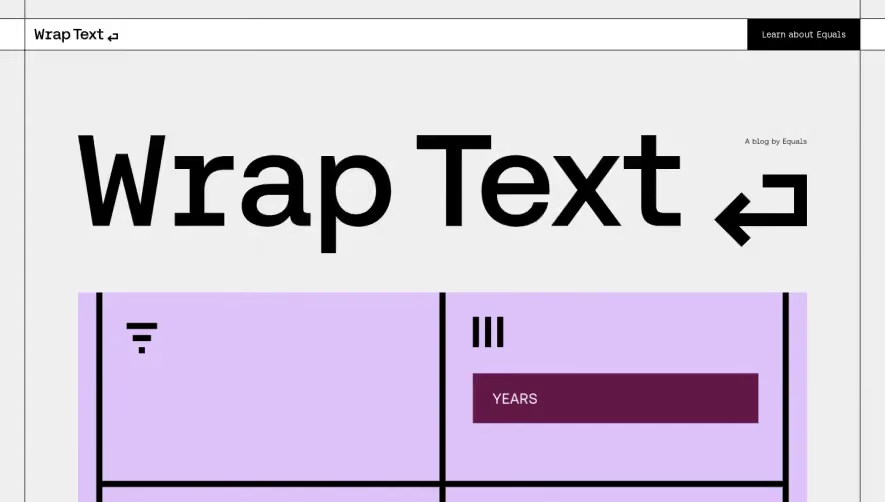


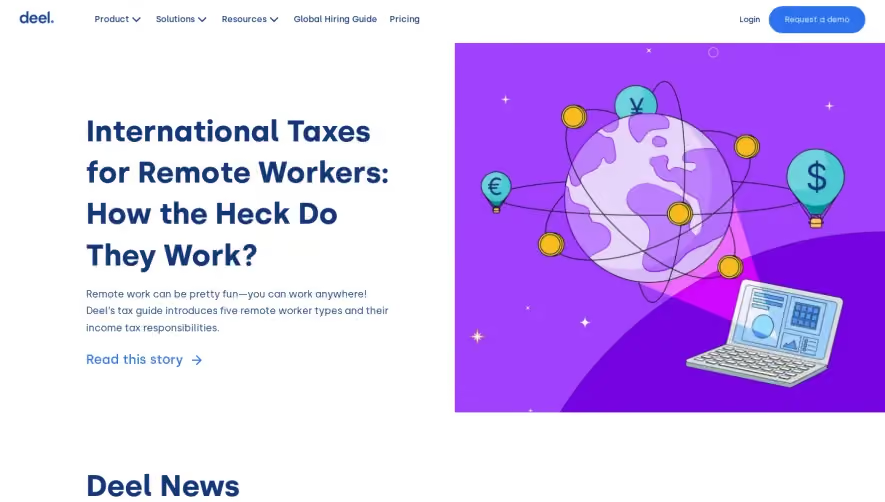

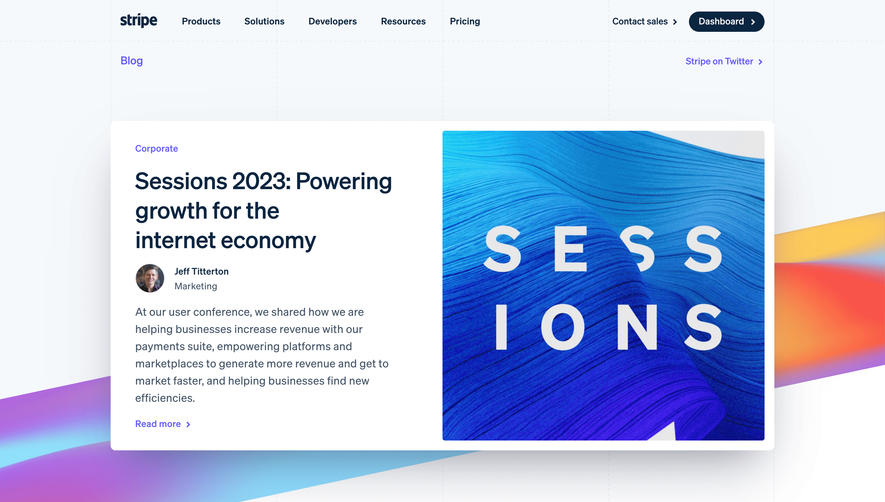

Upgrade to SaaSFrame Pro now to see similar examples.
Monthly
$18 /month
Billed $18 monthly
Browse all screens & flows
Filter and search screens & flows
Search text in screenshots
Access Figma files
Access mobile versions
Join now
Quarterly
$16 /month
Billed $48 quarterly
Browse all screens & flows
Filter and search screens & flows
Search text in screenshots
Access Figma files
Access mobile versions
Join now
Yearly
$15 /month
Billed $180 yearly
Browse all screens & flows
Filter and search screens & flows
Search text in screenshots
Access Figma files
Access mobile versions
Join now