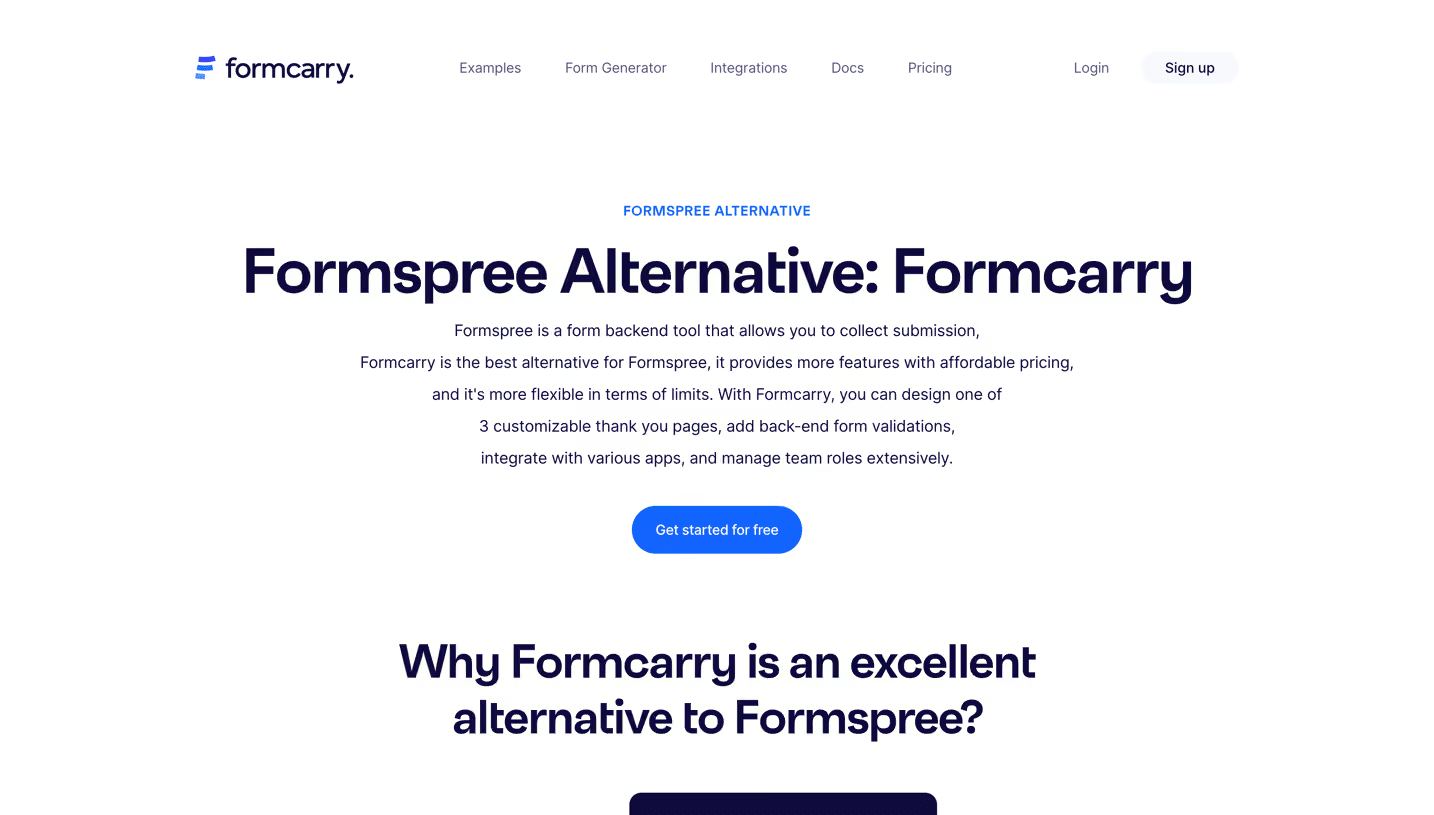
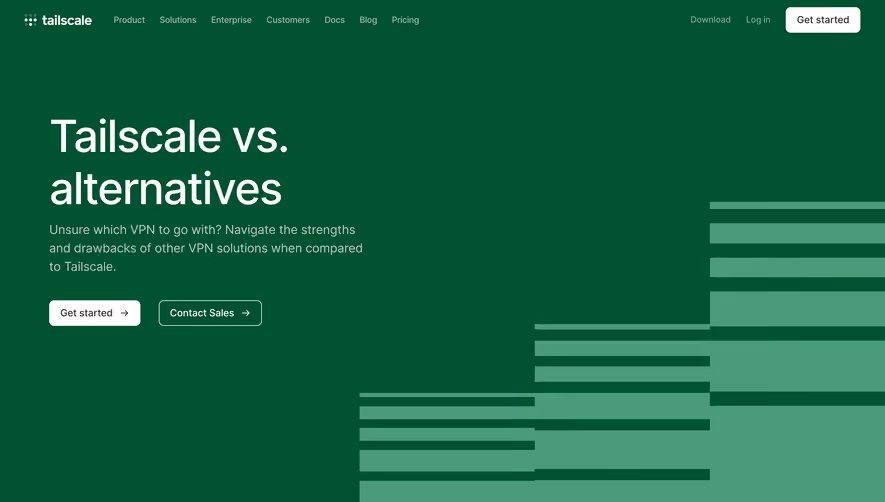
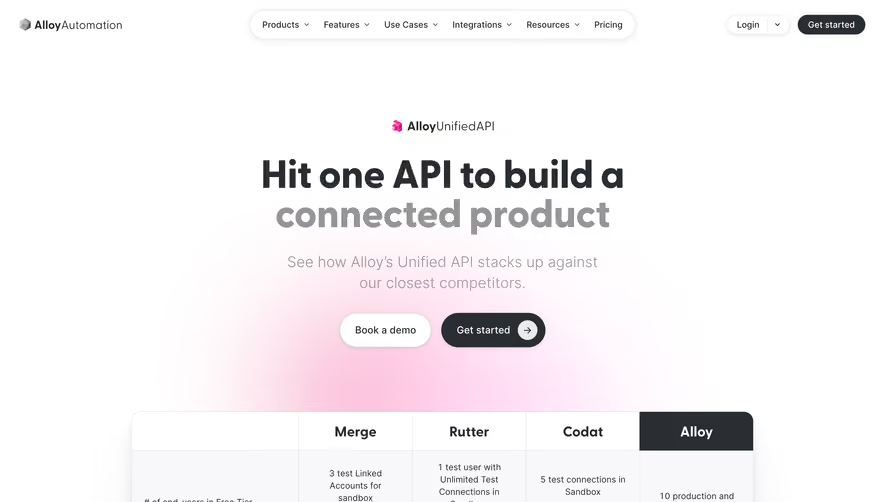
Generate a new design based on this screen using your own content.
Thank you! Your submission has been received!
Oops! Something went wrong while submitting the form.
# Design from Reference: Zencal Comparison Page
Create an original, high-fidelity visual design inspired by the reference. Prioritize composition, typography, colors, spacing, and component styling over technical implementation.
## Reference
- **Product:** Zencal
- **Category:** Comparison Page
- **Screenshot:** https://cdn.prod.website-files.com/5e9dc792e1210c5325f7ebbc/6acb69a05e515b69c7964f78_6acb67c8666ef5239d920571_cms-92b8263f280ba678acefe814.webp
Analyze the screenshot first. If inaccessible, request it rather than guessing.
## Content
{{content.instructions}}
{{content.data}}
Preserve essential messaging and factual accuracy. Adapt structure and copy length for visual balance; never invent product claims.
## Visual Design
Use this context to reproduce the reference's visual language: layout, typography, colors, spacing, borders, radii, and distinctive elements. The screenshot takes priority if descriptions conflict.
## Direction
{{preferences.fidelityInstructions}}
## Output
{{output.instructions}}
Deliver a polished, cohesive design with precise alignment, hierarchy, and spacing. Produce the requested visual artifact, not just a description. If unsupported, explain the limitation.
Zencal’s comparison page radiates minimalist modernity, balancing clarity and confidence. Generous white space, soft shadows, and understated rounded corners create a friendly, approachable atmosphere—perfect for SaaS products aiming to convey simplicity and reliability. The design is polished but never cold, instilling a trustworthy, open feel for visitors evaluating options.
Layout and Structure
The structure flows logically: a concise hero section introduces the comparison’s purpose, segueing into a horizontal feature-by-feature table that presents competitors in clear columns. Elements like sticky headers and subtle highlights keep users oriented as they scroll. Supportive content such as social proof or contextual notes is tucked seamlessly alongside the main table, ensuring comparison remains the focus.
Visual Elements
Clean line icons and playful accent illustrations breathe life into each feature row, making dense information digestible and engaging. Gentle micro-animations—like row highlights or icon hovers—add a sense of dynamism without distracting from the core utility. Branded badges and mini-avatars instill visual cues for credibility and personality.
Color Palette and Typography
A soft, breezy palette—anchored in calming blues with pops of warm accent colors—guides attention while supporting accessibility. Headings appear bold and crisp, with ample sizing to establish a clear typographic hierarchy, while supportive body text is friendly and legible. The font pairing leans contemporary (think Inter or similar), striking a balance between approachability and professionalism.
User Experience Patterns & Notable Design Choices
Navigation remains sticky and visible, linking directly to other core flows like sign-up and product pages. CTAs are prominent yet never pushy, often floating consistently as users scroll. Standout details include a mobile-first responsive table (easily swipeable) and transparent feature explanations via tooltips—illustrating Zencal’s dedication to clarity and user-centered design. The overall tone is innovative, earnest, and helpful—a visual promise of the product’s user-first ethos.