SaaSFrame
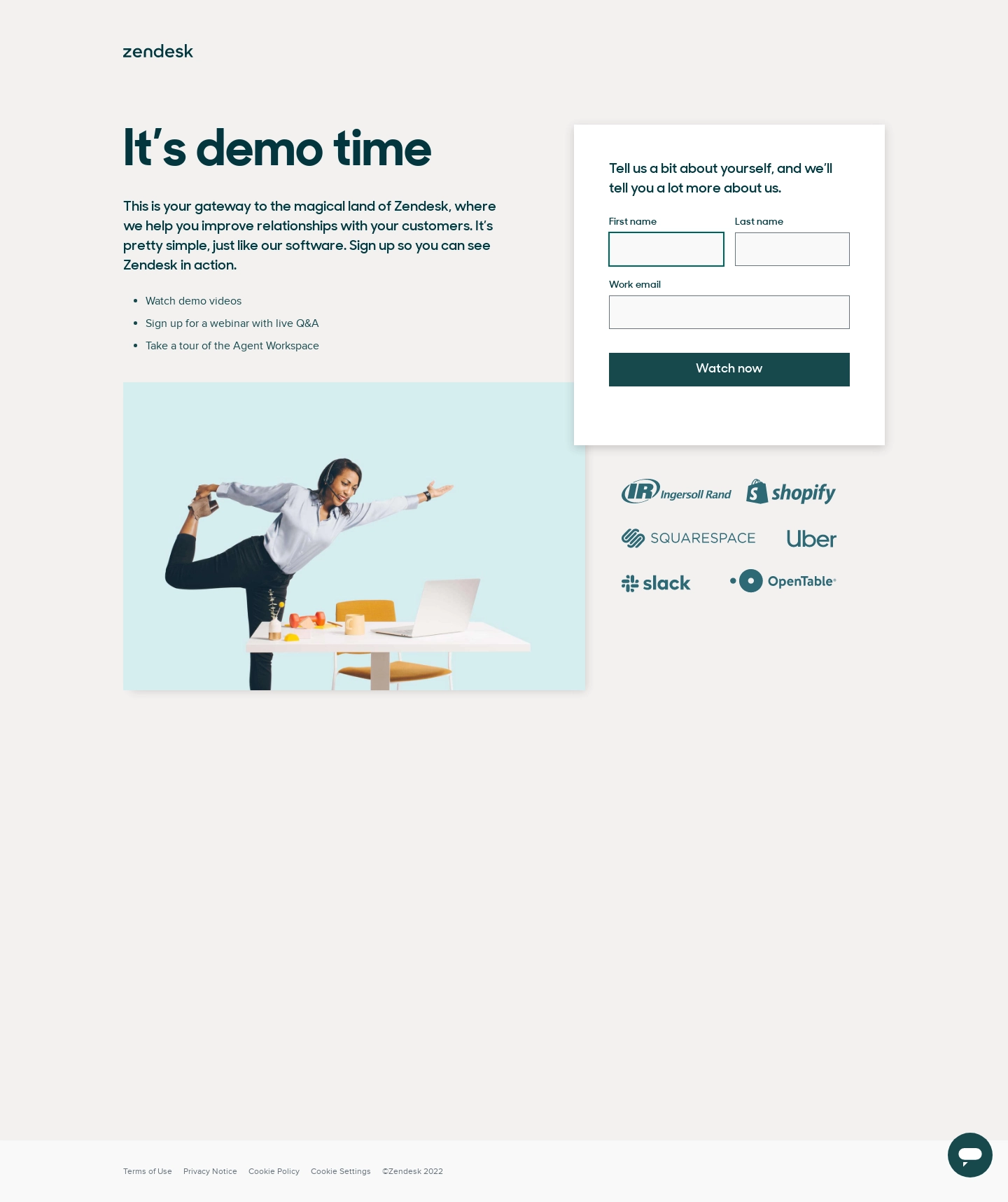
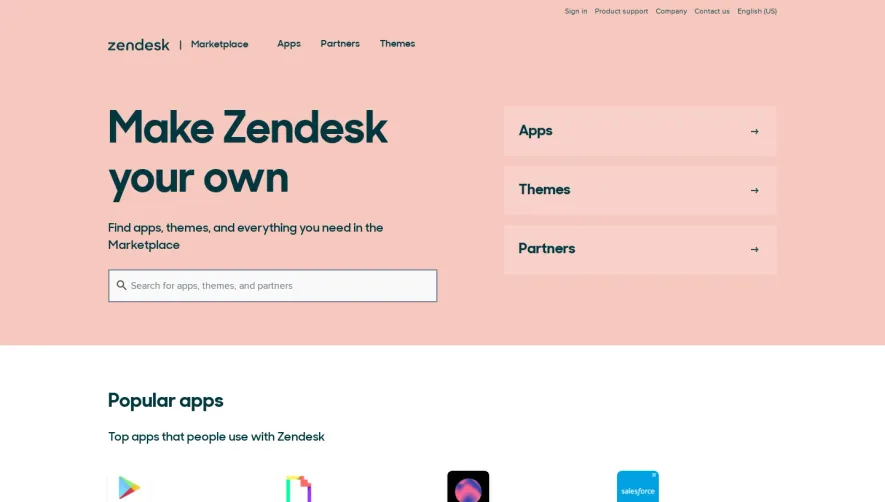
1. Header: The top of the page consists of a fixed header that remains visible as the user scrolls. The header includes the Zendesk logo, several navigation links, and a demo progress bar that tracks the user's progress through the demo. 2. Demo Step: The main section of the page changes dynamically as the user moves through the demo. The first step focuses on personalized ticket submission by simulating a conversation with a virtual customer support representative. The user inputs their name, email address, and a brief message, and the simulated representative responds with an acknowledgement and additional questions. 3. Sidebar: A sidebar on the right of the page contains a checklist of steps for the demo, highlighting the user's current step and any completed steps. 4. Resource Section: Beneath the simulated conversation, the page includes a section for related resources, such as whitepapers and case studies. 5. Personalization Options: The next section of the page instructs the user to personalize the demo by inputting their company name and choosing an avatar for the virtual customer support representative. 6. Metrics: A subsequent section highlights key metrics for customer support, including average first response time and customer satisfaction ratings. 7. Customer Support Software: The final section of the page promotes Zendesk's Help Desk software by showcasing several features, including ticket management and analytics tools. 8. Footer: The bottom of the page includes a footer with links to Zendesk's social media pages, press releases, and support center.