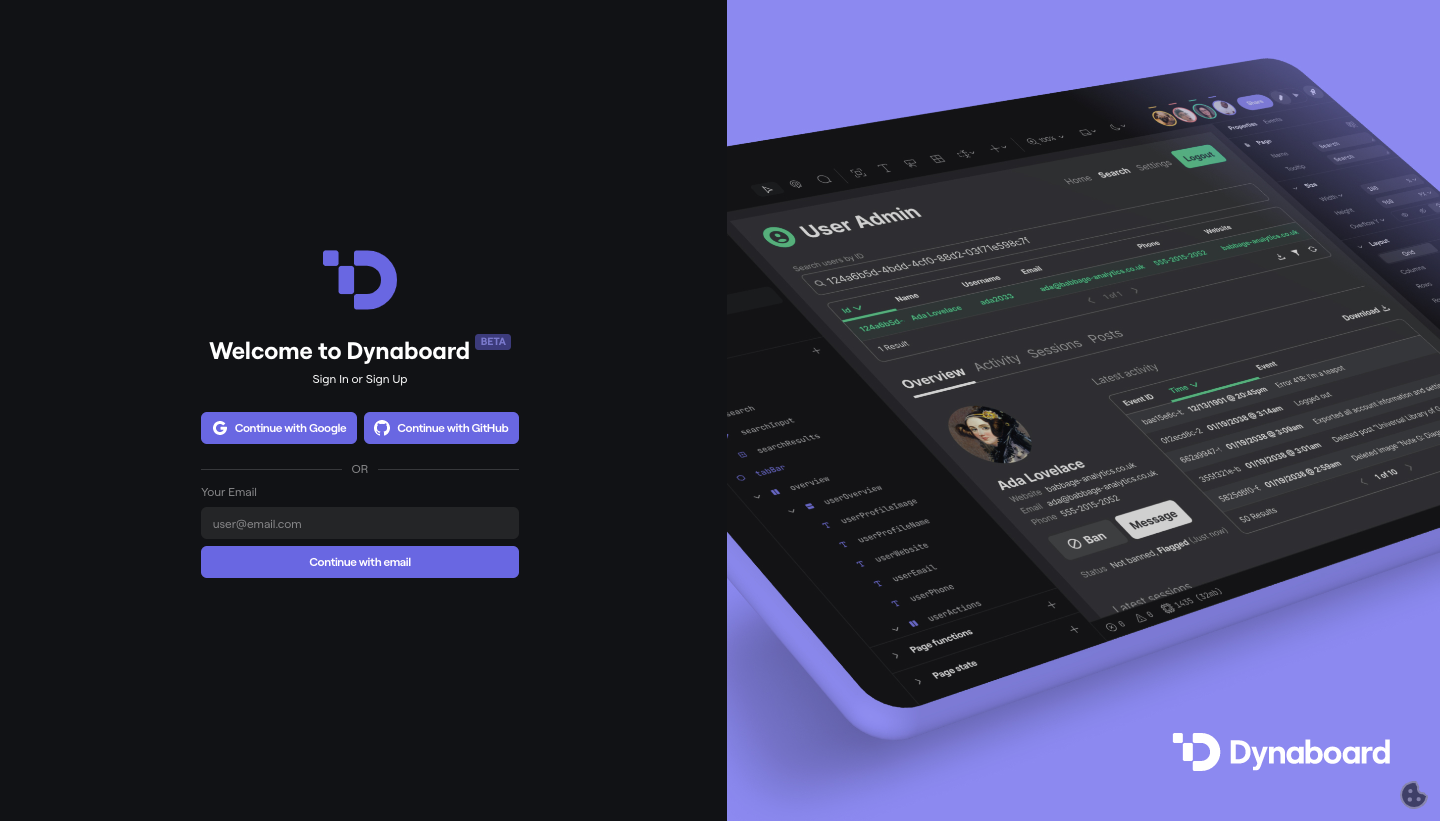
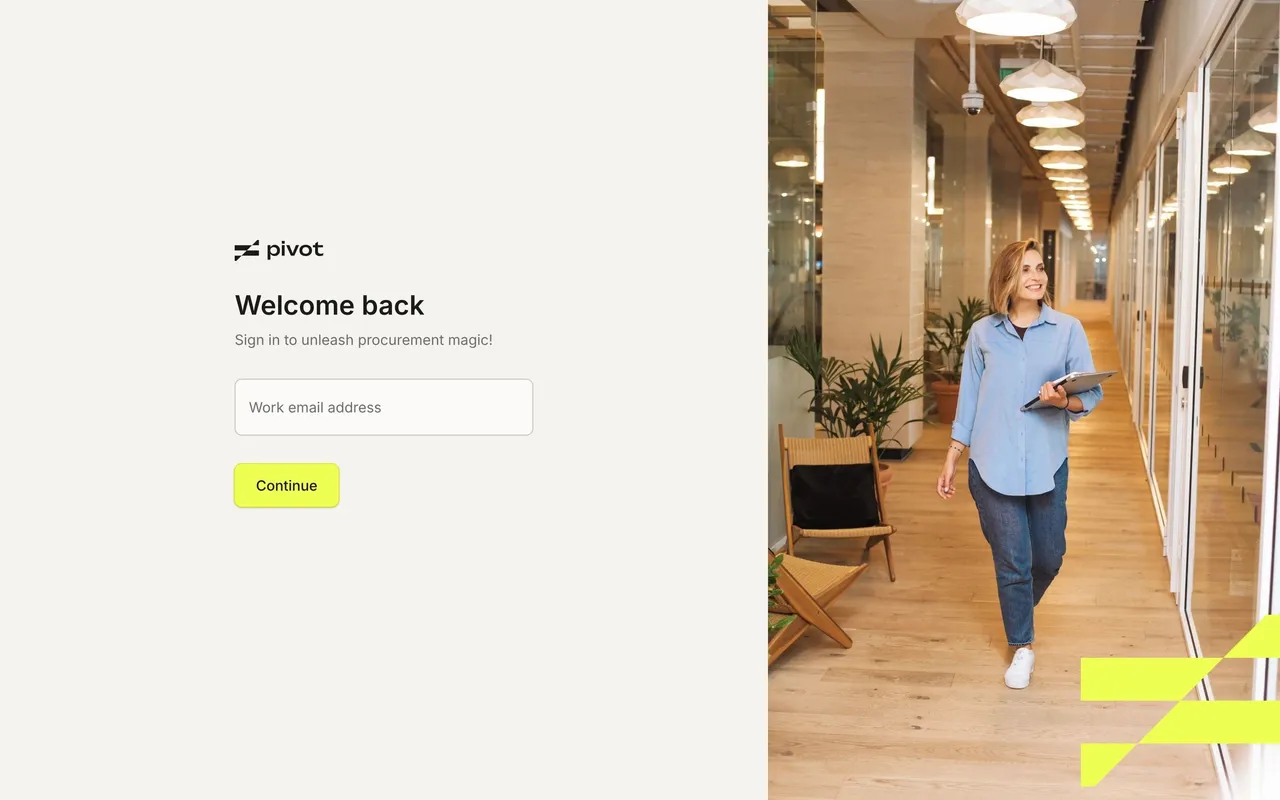
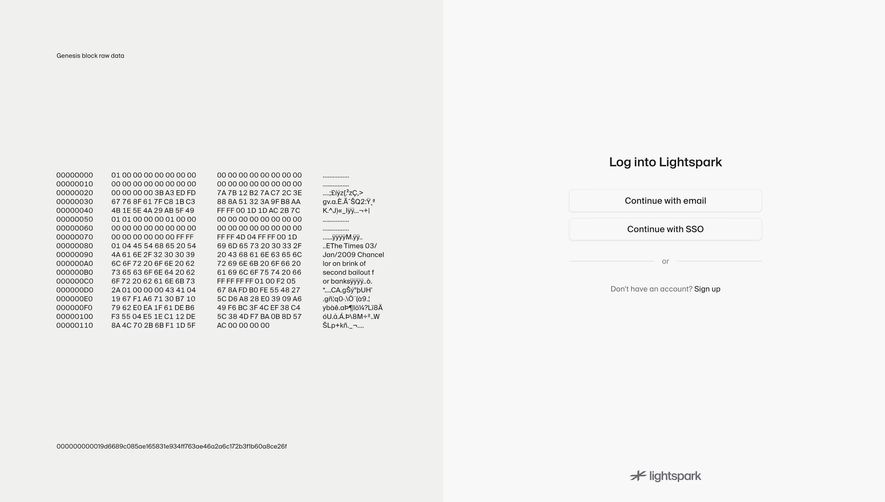
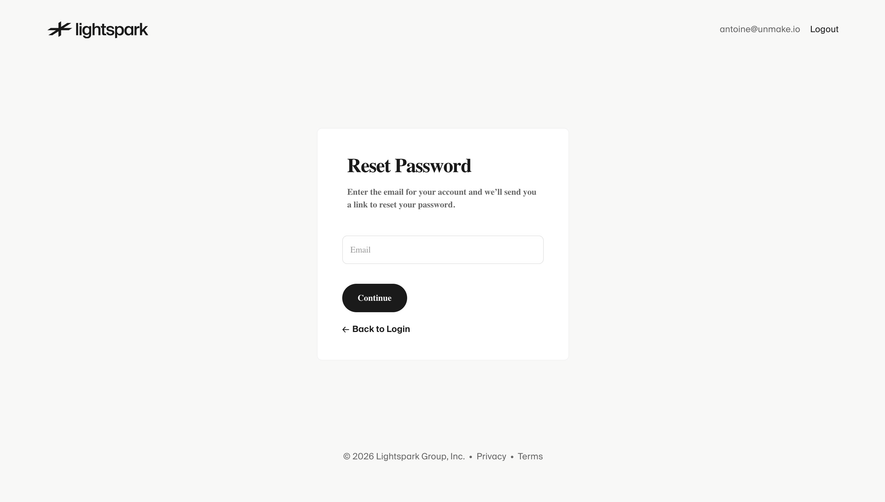
Dynaboard’s authentication page radiates a modern, minimalist aesthetic with an unapologetically professional tone. The spacious layout and generous white space reduce visual clutter, generating a focused and calm entry point for users. Every element feels intentional, projecting a sense of trustworthiness and contemporary design sensibility, perfect for SaaS inspiration seekers.
Layout and Structure
The page features a singular, centered authentication card that anchors the user’s attention. There’s a clear hierarchy: the Dynaboard logo crowns the experience, followed by concise introductory text (“Sign in to Dynaboard”), and straightforward form fields for onboarding. The absence of extraneous sections (like feature lists or testimonials) underscores clarity and purpose—ideal for fast user flows.
Visual Elements
While full illustrations and photography are minimal, subtle refined accents—such as the logo’s bold geometric style and discrete iconography for alternative sign-in methods (e.g., Google)—add visual intrigue without overwhelming the user. Micro-interactions, like input focus states, offer delightful but restrained feedback that modern users expect.
Color Palette and Typography
The visual hierarchy leans on a light background, punctuated with a dark, almost black logo and headers for emphasis. Occasional pops of rich blue (on buttons and links) guide the eye, signaling action and trust. Typography is clean and sans-serif, articulating a clear progression: bold for headings, regular for instructions, and subtle for supporting links.
User Experience Patterns and Unique Choices
Obvious CTAs—contrasted buttons for primary actions and muted links for alternatives—make navigation frictionless. The form’s brevity, logical tab order, and unobtrusive error handling anticipate best practices. Notably, the login card’s precise centering and pleasing proportions foster approachability, while the succinct “magic link” approach for passwordless login feels both cutting edge and user-friendly.
Tone and Feel
The experience is quietly confident and accessible, reflecting a product built for modern teams. Its carefully restrained style communicates innovation and reliability—an ideal model for SaaS designers aiming for sophistication without sacrificing usability.
 SaaSFrame