 SaaSFrame
Nocturne. Light in the dark around the product.
Near-black pages lit by one light: a beam, a horizon, particles, a grid, orbits or code rain drawn around your real interface, with crisp type and mono figures. Each product gets its own scene, light, ground, typefaces and composition, so ten sites built with it look like ten different products.
15 components · 10 website blocks · 5 product blocks · skill with identity script and page check
Nocturne, default identityType a name: the same name always gets the same identity, another name gets another one.
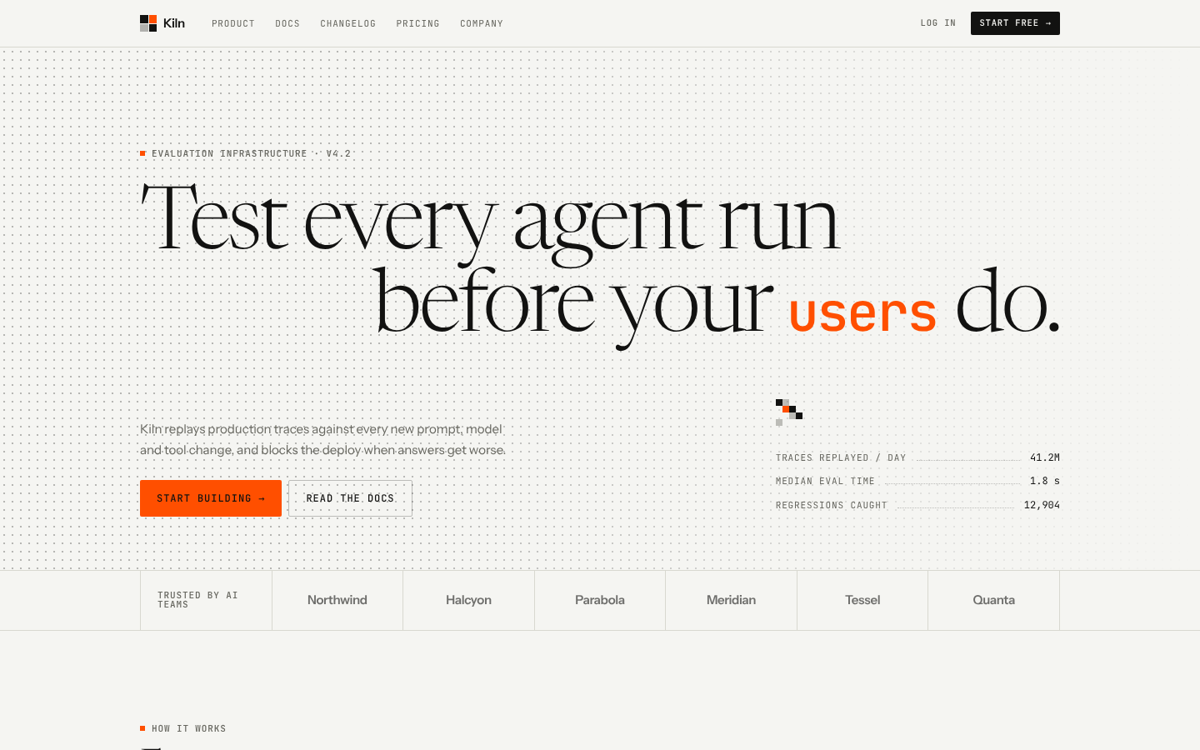
Built by agents with Nocturne.
Claude Code, a short brief and the skill with this style, nothing else. Nothing retouched. Scroll inside the frame to see the whole page.
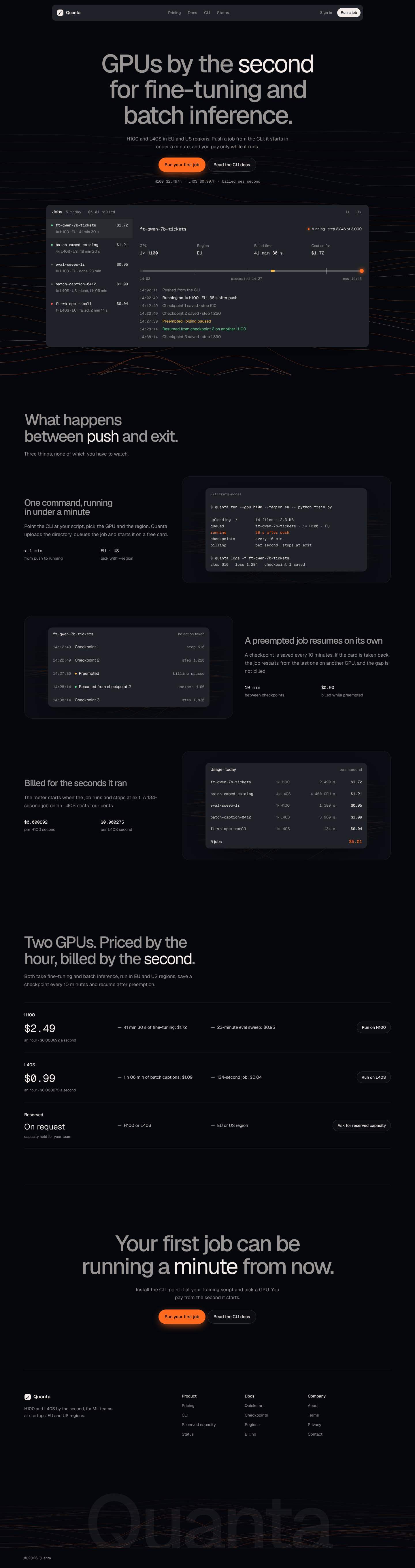
Quanta“GPUs by the second for fine-tuning and batch inference.”Nocturne · terrain, signal on deep
10 products, 10 identities
Your agent runs one script with the product’s name and gets its own recipe: a scene of light, the light’s color, a ground, typefaces, surfaces and page composition. Same rules, never the same site. Here is one page built for ten product names.
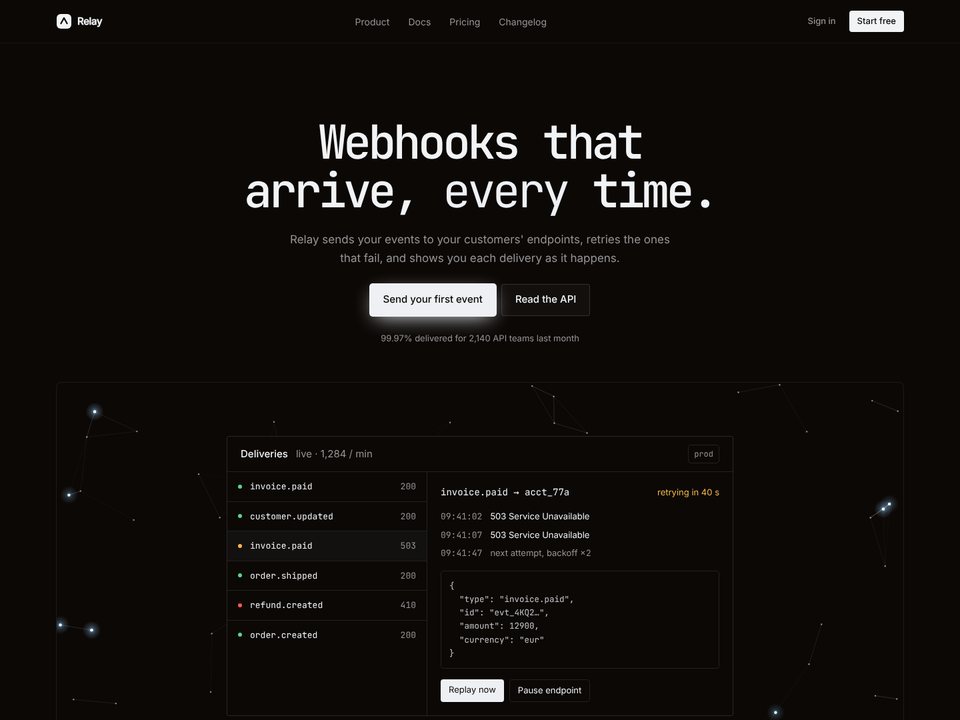 Relayconstellation · white on ember · mono · stage
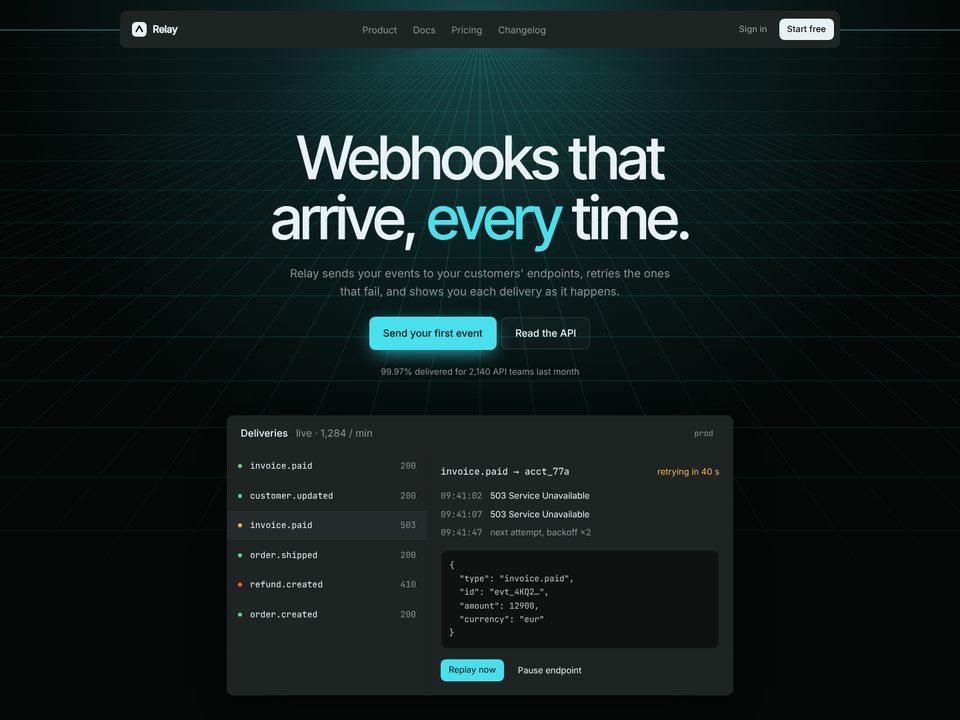 Vectorgrid · cyan on moss · grotesk · beam
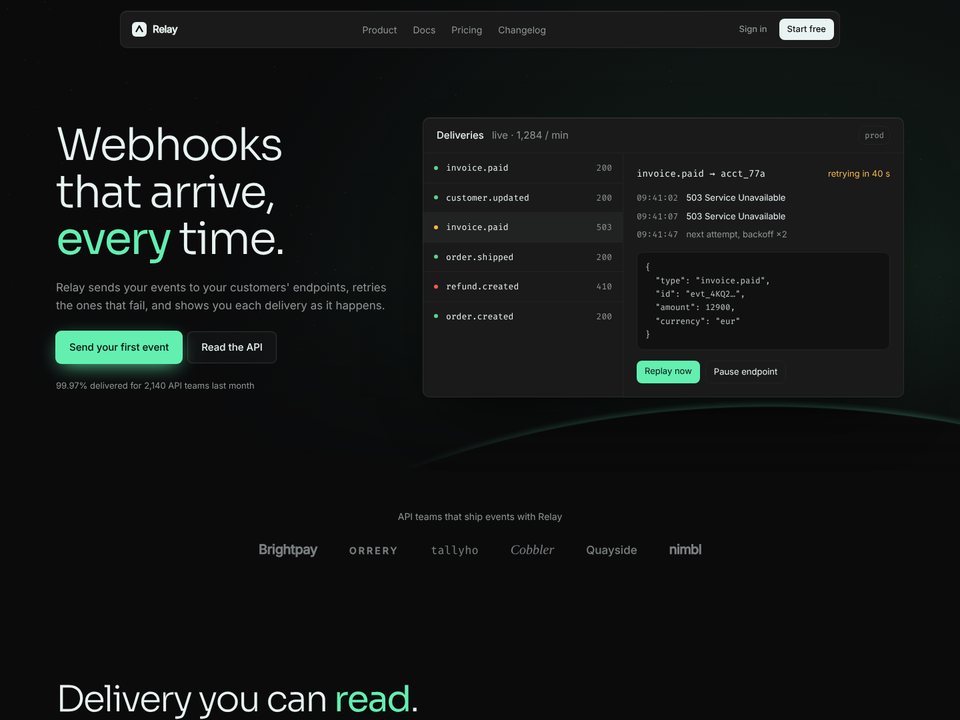 Kernelhorizon · mint on graphite · sora · console
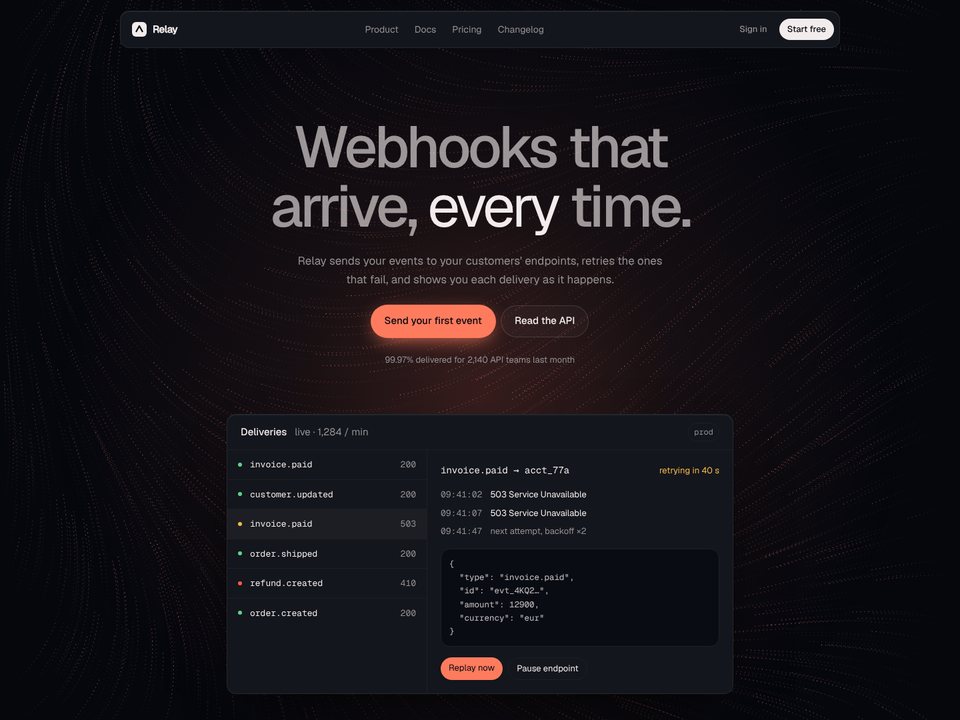 Beaconparticles · coral on deep · geist · horizon
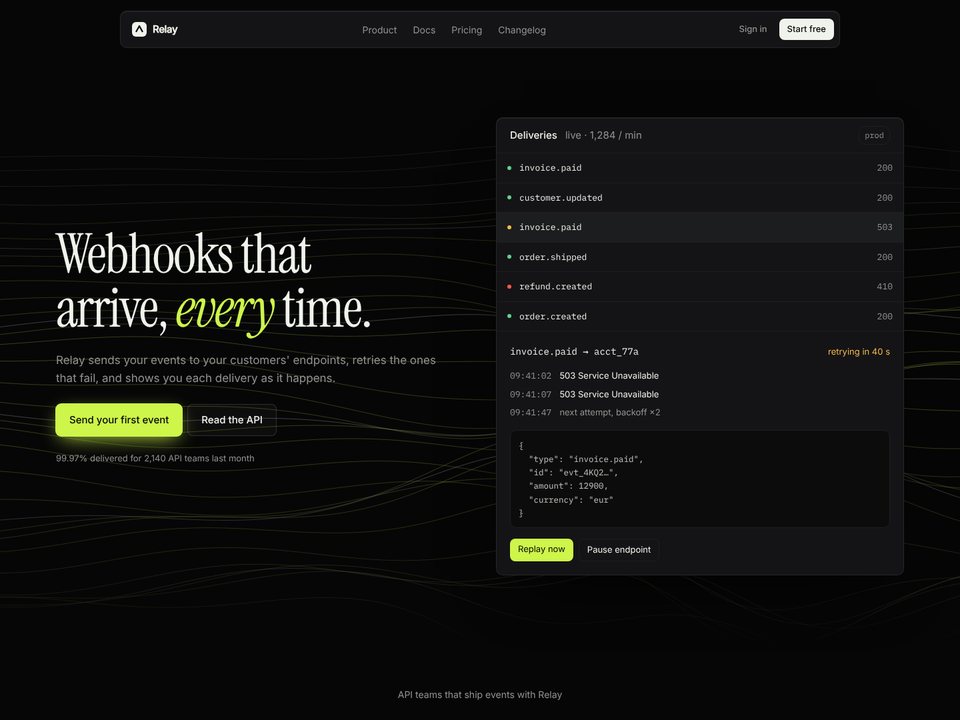 Latticeterrain · lime on void · serif · split
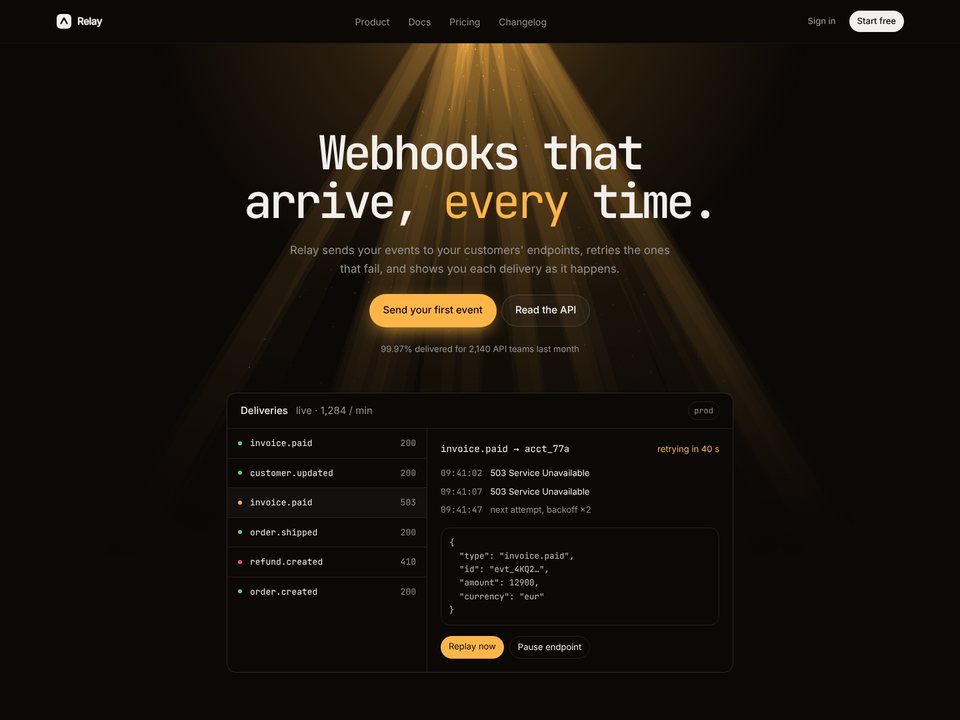 Cinderbeam · amber on ember · mono · beam
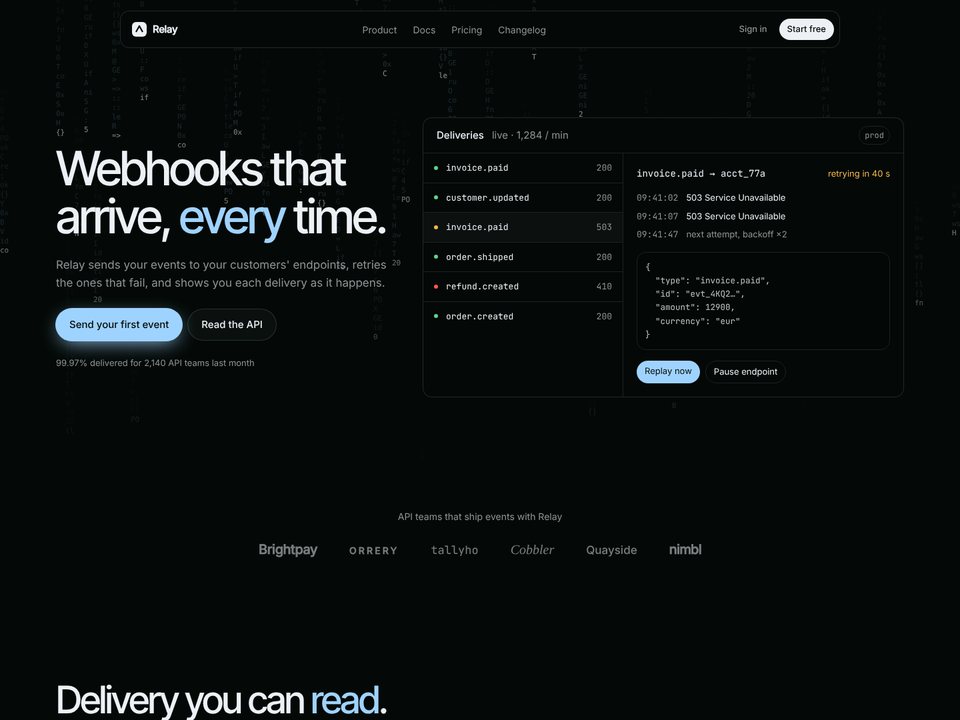 Ferriterain · ice on moss · grotesk · console
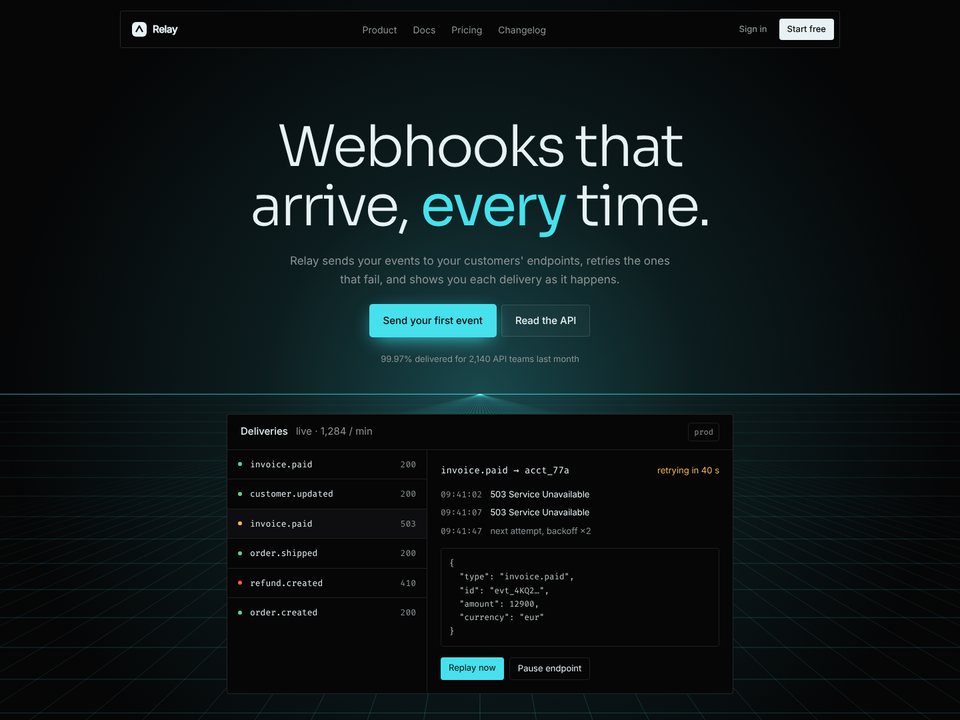 Gantrygrid · cyan on void · sora · horizon
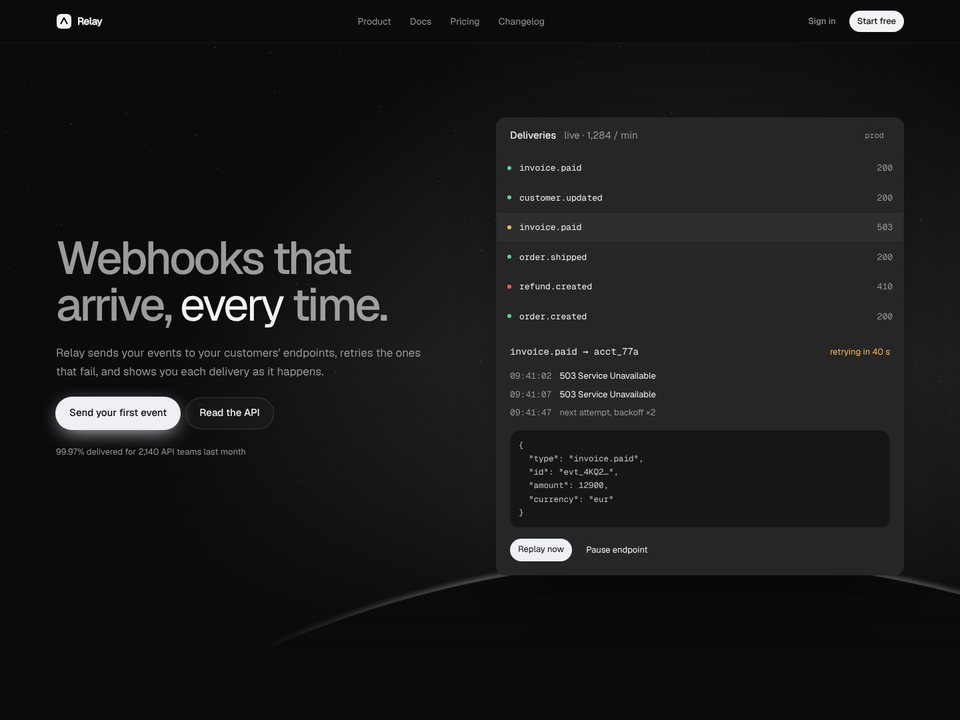 Polarishorizon · white on graphite · geist · split
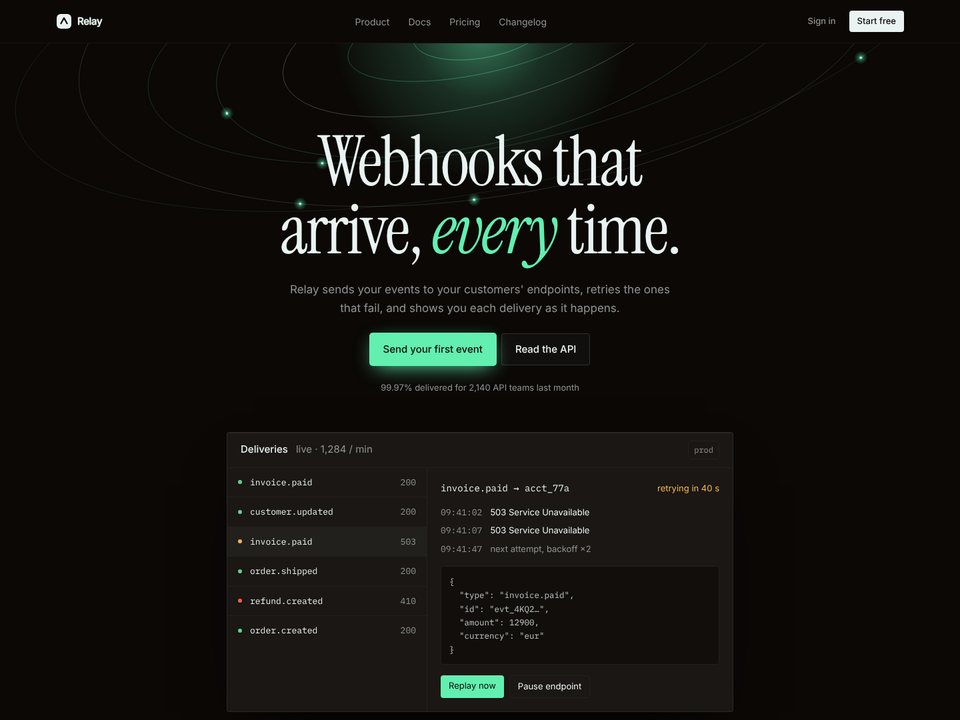 Sundialorbit · mint on ember · serif · beam
8 scenes × 8 lights × 5 grounds × 6 type sets × 3 surfaces × 3 corner sets × 2 label styles × 5 hero compositions × 4 second moments, variants per section and their order.
Six rules your agent keeps
They ship as a skill, so Claude Code, Cursor or Codex apply them to every new screen, not only to the components. The skill checks the page against them before the agent says it is done.
One light
The page has one light color. It is the primary, the scenes and the lit edges. Never violet, never a rainbow.
Three scenes
The hero, one second moment and the footer carry a scene. Everything else is type and interface on black.
The interface is the money shot
A real product screen, large and crisp, in the light: an app window, a terminal, a live log. Never a fake dashboard.
Real text, mono figures
Code and figures as selectable text in the mono face. No screenshots of code, no glowing gradient text.
Quiet black
Near-black grounds with their own tint, hairlines at 7 to 13% white, no glass blur, no grid wallpaper behind every section.
Motion that stays put
The hero rises once, its scene drifts slowly, buttons step 1px. Nothing moves on scroll; everything rests under reduced motion.
Install in one command
Works in any project set up with shadcn/ui and Tailwind CSS 4, or with our installer without it. The files land in your codebase: edit them like your own.
node .claude/skills/saasframe-nocturne/identity.mjs "Your product"What’s inside
15 components and 15 blocks, each installable on its own.
Components 15
- Display
- Every headline: face, weight, tracking and the emphasised word come from the identity.
- Scene
- Light drawn on the dark ground: beam, horizon, particles, grid, orbit, constellation, code rain or terrain.
- LitPhoto
- A real photograph lit by the identity: greys, tinted with the light, falling off into the ground, with its credit.
- Surface
- The panel that carries real interface: lit, outline or solid, from the identity.
- App frame
- The product as one app window: a list pane beside the open item.
- Code
- A terminal or a code file as real text, one lit line at most.
- Button
- Primary (carries the light), light, outline, ghost.
- Label
- An optional line above a title, mono caps or a lit dot, only when it states a fact.
- Chart
- Thin bars and a line, one point in the light.
- Enter
- The hero statement rises once on load; nothing under reduced motion.
- Input
- Field, input, select, switch and the settings row (what it does on the left, the control on the right).
- Status
- A state as a dot and a word, a hairline tag, a keyboard key.
- Stat
- A mono figure with its name and its change; several in one strip between hairlines, never as tiles.
- Tabs
- Segmented tabs for ranges and views, the active segment raised.
- Data table
- Hairline rows, numbers right-aligned in tabular mono.
Website blocks 10
- Site header
- A bar with a hairline, or a pill floating over the hero.
- Hero
- Five openings on one scene: beam, horizon, split, console, stage.
- Logo strip
- Customer wordmarks, dimmed: one row or a ruled grid.
- Features
- Each feature as its interface: a bento grid or alternating rows; a faint scene when it is the second moment.
- Metrics
- Mono figures between hairlines, or over a scene.
- Quote
- One customer and one result, alone or beside a scene.
- Pricing
- Plans as panels (the recommended one lit) or as rows.
- Call to action
- The closing statement alone, or over a scene.
- Footer
- Link columns, the name set large and dim over a faint scene.
- Example landing
- A complete page for a fictional product, to show how the blocks take content. Not to be copied.
Product blocks 5
- App shell
- A quiet sidebar with search and mono counts, the page in one inset panel.
- Dashboard
- The day in one panel (a stat strip over the chart), what needs attention beside the live log, then the table.
- Empty state
- The one place in the product a scene may shine: one sentence, the command, one action.
- Settings
- Settings as rows with hairlines, a section list, one save in the light, the destructive action apart.
- Onboarding
- A checklist beside a stage that holds the scene and what is about to happen.
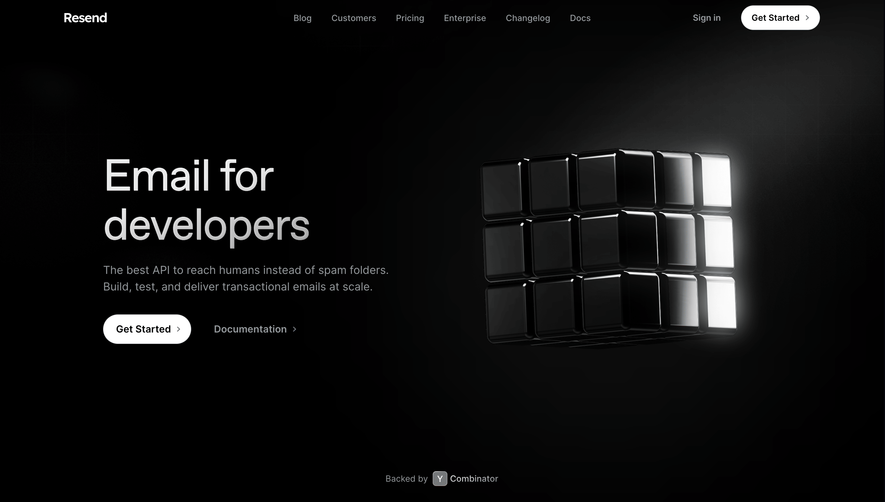
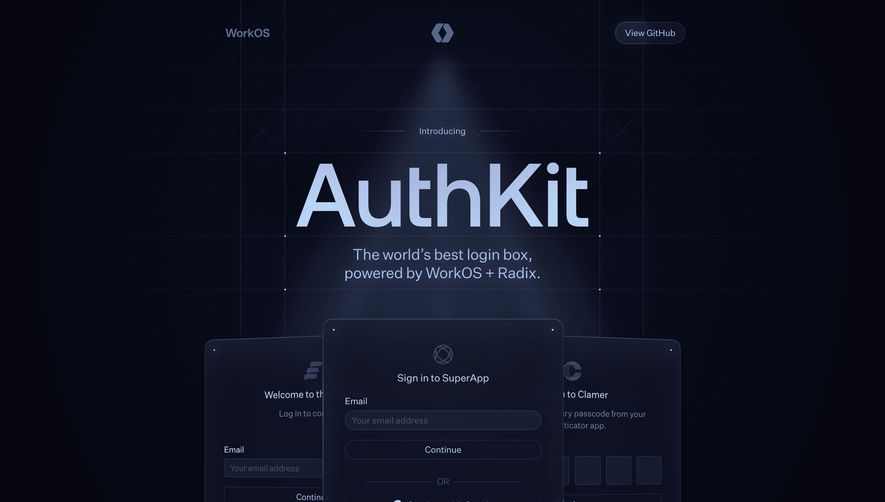
Drawn from real SaaS
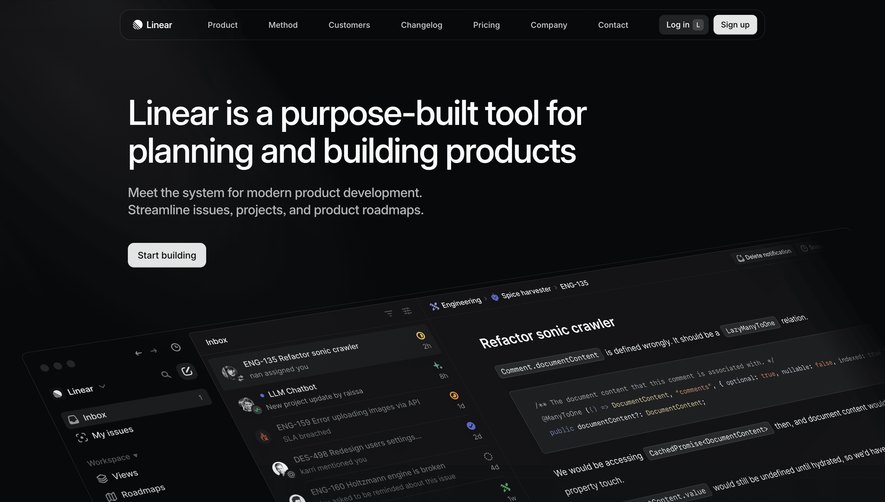
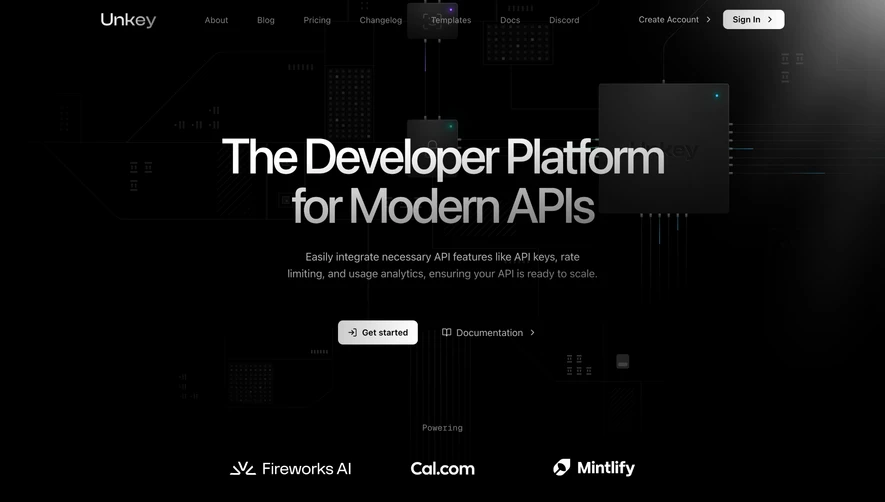
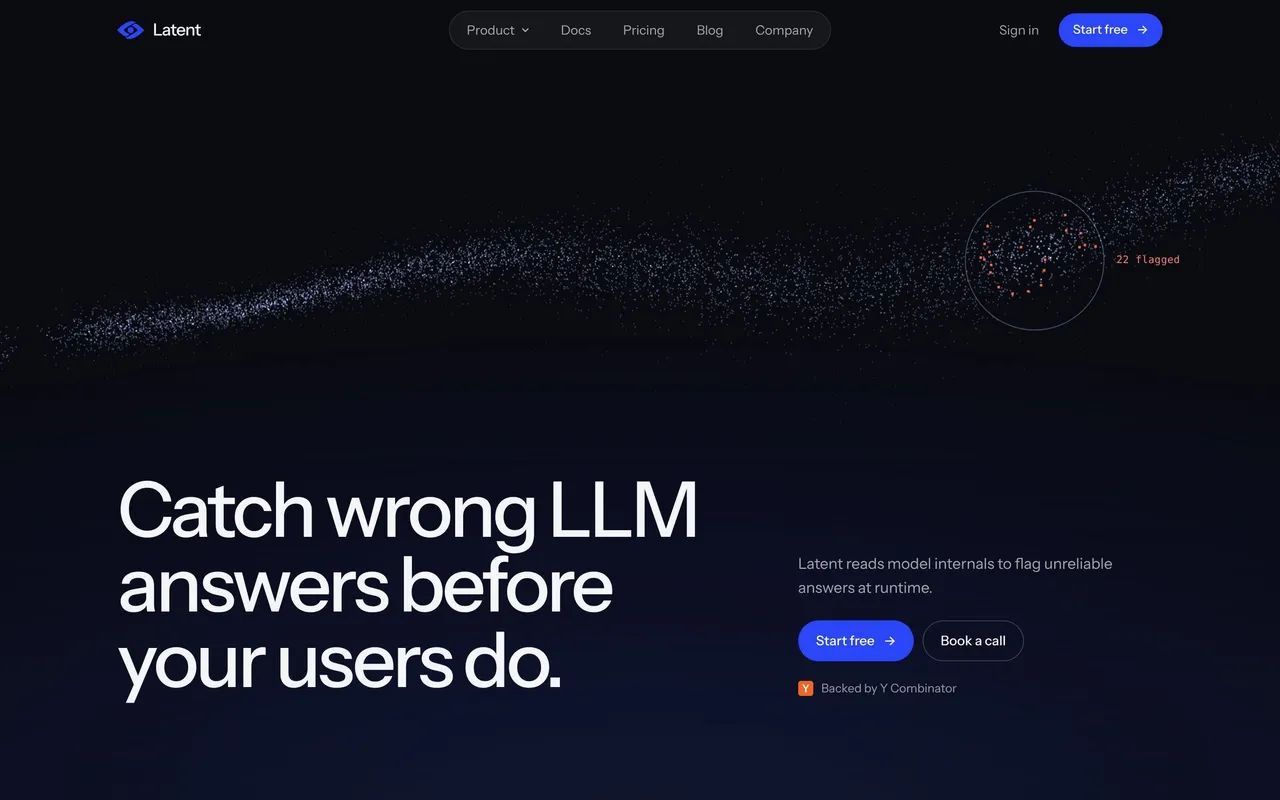
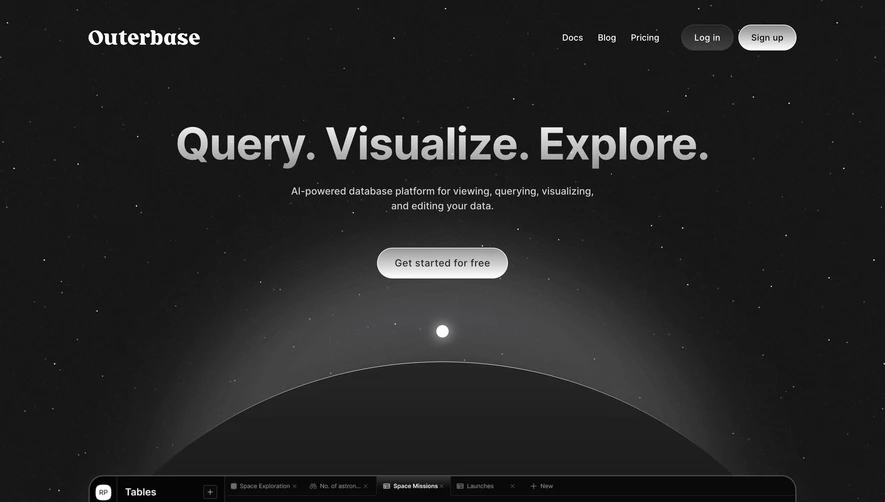
We looked at the dark technical SaaS sites on SaaSFrame: developer tools, APIs and AI products that light their interface in the dark. These are the sites the pack is distilled from. It borrows their principles, never their branding.